
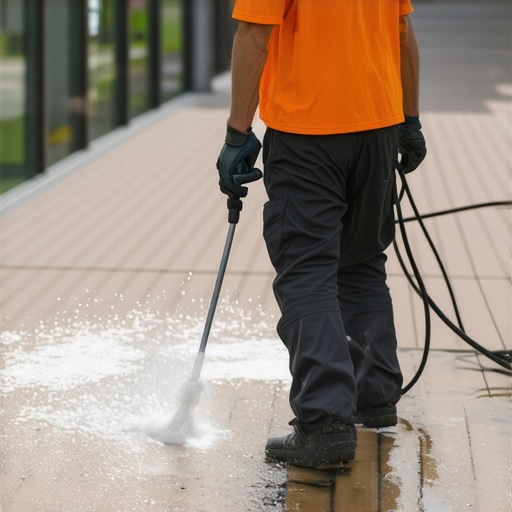
I remember standing on my weathered deck last spring, ready to give it a good power wash. I aimed the pressure washer at a stubborn stain, confident I was doing everything right. But suddenly, I saw the delicate fibers of my composite decking fraying, and I knew I’d crossed a line. That moment was a lightbulb—more pressure isn’t always better. Since then, I’ve dived deep into the world of low-pressure power washing, especially for my 2026 composite decks, which demand gentle yet effective cleaning methods.
Why Low-Pressure Power Washing Is a Game Changer
As composite decks evolve, so must our cleaning techniques. High-pressure washing can wreak havoc—splitting seams, eroding protective coatings, or causing long-term damage. Yet, with the right low-pressure hacks, you can restore your deck’s beauty without risking costly repairs. Today, I’ll share proven strategies I’ve gathered, so you can clean confidently and protect your investment. And trust me, these methods are backed by experts who warn against the dangers of overzealous pressure washing. For example, improper pressure can compromise the deck’s integrity, leading to expensive repairs down the line. If you’ve ever felt the frustration of a cleaning attempt gone wrong, you’re not alone.
Is Power Washing Without High Pressure Really Effective?
Once, I made the mistake of thinking that cranking up the pressure would do the job faster. That was a mistake I paid for—literally—when I saw my deck’s finish peel away. It’s a common misconception that more force equals better cleaning. Instead, the secret lies in technique, proper equipment, and understanding your deck’s material. Curious about the right tools and tips? I recommend checking out the ultimate guide on power washer tools to get started.
Start with the Right Equipment and Settings
Before you spray, ensure your power washer is equipped and set up for gentle cleaning. Use a machine with adjustable pressure settings—think of it as dialing down the force like turning the volume control to a softer level. Generally, for composite decks, stay below 1500 PSI. For a real-world example, I once tried to clean my deck with my old pressure washer set to 2000 PSI, resulting in tiny scratches that took months to fade. To prevent this, consult power washer setting guides and ensure your equipment is calibrated correctly.
Use the Correct Nozzle and Spray Pattern
Think of the nozzle as the tip of a garden hose—changing it alters the spray’s potency. For delicate composite surfaces, use a fan or wide-angle nozzle, typically 25° or 40°, which spreads the water more gently. Avoid the pinpoint jets that focus too much pressure on one spot, akin to using a needle instead of a spray bottle. I learned this the hard way when a narrow stream left permanent lines on my deck. To be safer, check tips for nozzle selection so you pick the right tool for the task.
Maintain Proper Distance and Technique
Distance matters—aim the nozzle approximately 12-18 inches from the deck surface, similar to how you’d hold a paintbrush at a comfortable distance. Too close? Risk damage; too far? You might not clean effectively. During my first attempt, I held the nozzle too close, causing a blurred streak across the surface. The proper technique involves sweeping the nozzle in a consistent, side-to-side motion, overlapping each pass for even coverage. This is like mowing a lawn, where steady, overlapping strokes ensure a uniform cut. For detailed guidance, I recommend reviewing power wash techniques to avoid mishaps.
Optimize Water Flow and Pressure Settings
Adjust your water flow to balance cleaning power with safety. Lowering the PSI while increasing the volume of water can sometimes achieve better results without risking damage—think of it as rinsing with a gentle shower rather than a pressure jet. My go-to method was to set the machine to a lower PSI and open the water valve fully. This approach effectively loosened dirt without harming the deck’s surface. For advanced tips on flow adjustments, check equipment optimization guides.
Apply Eco-Friendly Degreasers for Tough Stains
Sometimes, water alone isn’t enough. Use biodegradable, low-pressure cleaning solutions designed for composite materials—think of them as gentle detergents for your deck. Apply the cleaner with a soft-bristled brush or low-pressure spray, letting it dwell for 5-10 minutes before rinsing softly. An experience I won’t forget was tackling a stubborn oil stain from a barbeque cleanup; pre-treating with a specialized degreaser made the difference. To find suitable products, see eco-friendly cleaning solutions.
Final Tips for Safety and Effectiveness
Always wear protective gear—goggles, gloves, and ear protection—as a precaution. Also, test your chosen settings on a small inconspicuous area first to prevent surprises. During my initial tests, I discovered that even a slight miscalculation could leave marks or damage. Remember, low-pressure doesn’t mean low effectiveness if you follow these steps carefully. Cross-reference safe power washing rules to keep your project on track and avoid costly errors.Many homeowners believe that blasting their surfaces with as much pressure as possible is the key to instant cleanliness. However, **the truth is more nuanced**. Overestimating the necessity of high PSI not only risks damaging your property but also reduces the efficiency of your cleaning efforts. For example, some assume that a stronger jet can remove stubborn stains effortlessly, but in reality, excessive pressure can erode coatings and create long-term damage, especially on delicate composite decks. Instead, mastering the right balance of pressure and technique yields **more effective and safer results**.
A prevalent misconception is that cheap, rental power washers are sufficient for all tasks. Yet, these models often lack precise pressure controls or quality nozzles, leading users into common pitfalls. Investing in reputable equipment—like those reviewed in this guide on reliable power washer tools—can significantly improve your outcomes. Furthermore, using the wrong nozzle or failing to maintain proper distance can leave unsightly streaks or damage surfaces. Advanced users understand the importance of avoiding common errors that compromise results.
In terms of technique, many overlook the significance of consistent sweeping motions and water flow adjustments. A critical error is not adjusting the water volume when reducing pressure—this misstep diminishes cleaning power and may prolong the process. More experienced cleaning professionals optimize water flow by combining low PSI with higher volume, achieving effective removal without harm, as suggested in these tips on equipment optimization.
Let’s address a common question with an advanced perspective—
Why does increasing pressure sometimes lead to worse results even when stains persist?
The answer lies in surface porosity and the nature of contaminants. High pressure can push dirt deeper into porous materials or cause microscopic damage that traps debris, making cleaning less effective over time. A study by the National Association of Surface Manufacturers indicates that controlled, gentle pressure combined with appropriate chemical treatments yields superior, lasting cleanliness. Remember that patience and precision outperform brute force in most power washing scenarios.
Have you ever fallen into this trap? Let me know in the comments. Recognizing these hidden nuances is essential to mastering safe and effective power washing—so approach your next project with informed confidence.
Investing in the Right Equipment
For consistent, professional results, I personally rely on the Ryobi RY803084 when tackling residential surfaces. Its adjustable pressure settings allow me to dial down to a safe 1500 PSI for delicate decks, while still providing enough force to blast away grime on concrete. What’s crucial is choosing a machine with reliable pressure regulation and quality nozzles—these savings often come at the expense of consistent performance and damage prevention.
Regular Maintenance to Keep Equipment in Top Shape
To ensure your power washer remains effective throughout years of use, routine maintenance is essential. This involves flushing out the pump after every use, inspecting O-rings for leaks, and storing it in a dry, temperature-controlled environment during winter. I follow a strict checklist from this maintenance guide to avoid common pitfalls like clogged nozzles or frozen pumps, which can result in costly repairs.
Using Proper Tools and Accessories
My favorite high-quality extension wands are the Microfiber Carbon Fiber Wands. They reduce fatigue during long sessions and improve reach without sacrificing water pressure. Pairing these with a wide-angle nozzle ensures gentle but thorough cleaning, especially in tight corners or elevated surfaces. Also, investing in a set of eco-friendly degreasers like these industrial formulas enhances stain removal without harming your equipment or environment.
Predicting the Future of Power Washing
The trend is moving towards smart technology integration. Thanks to innovations discussed in this upcoming guide, upcoming models will feature sensors to automatically adjust pressure based on surface type, and monitor component wear preventing damage before it happens. Embracing these advancements now can extend your equipment lifespan and streamline your workflow.
How do I maintain my tools over time?
Consistency is key—regularly inspecting hoses for cracks, replacing worn nozzles, and maintaining proper water flow prevents issues down the line. Additionally, flushing out the pump after use and storing gear properly during off-seasons helps avoid corrosion and freezing damage. For more detailed steps, I recommend reviewing this maintenance checklist. As an advanced tip, I challenge you to try adjusting your pressure settings precisely for each surface type—you’d be surprised how much safer and more effective your cleaning becomes. Proper maintenance and tailored techniques not only extend your equipment’s lifespan but also ensure your results continue to impress.
Lessons That Changed My Approach to Power Washing
- Realized that patience outweighs brute force—gentle techniques preserve surface integrity while still delivering sparkling results.
- Discovered that investing in high-quality, adjustable equipment saves time and reduces damage risk, proving that a small upgrade yields big benefits.
- Understood that consistent technique and proper nozzle choice are more impactful than increasing pressure, helping me consistently achieve professional-grade results.
- Learned that pre-treatment with eco-friendly degreasers can tackle stubborn stains effectively, avoiding unnecessary scrubbing or high-pressure mishaps.
- Found that routine maintenance and careful testing before tackling large areas prevent costly errors and surface damage, extending both equipment lifespan and deck beauty.
Tools and Resources That Elevated My Cleaning Game
- Trusted Equipment — I rely on the Ryobi RY803084 for its adjustable pressure and dependable performance, offering the control necessary for delicate composite surfaces.
- Effective Nozzles — I personally use wide-angle nozzles recommended in top strategies to ensure gentle yet thorough cleaning without damaging fibers.
- Maintenance Tips — Following the checklist from this guide has kept my equipment in peak shape, minimizing downtime and repair costs.
- Eco-Friendly Products — Using solutions like biodegradable degreasers helps me prevent harsh chemical damage while effectively removing stains and grime.
Your Next Step Toward Confident Power Washing
The landscape of power washing is evolving rapidly, with smarter equipment and refined techniques making safe, effective cleaning accessible to everyone. Embracing these insights means you’re not just cleaning—you’re caring for your investment and building lasting pride in your home’s exterior. Start experimenting with low-pressure methods today, and watch your decks and surfaces transform without a hitch. Remember, mastery begins with small, smart choices, and with each project, you’ll discover new ways to save time, money, and avoid damage.
What’s your biggest challenge when it comes to low-pressure power washing? Share your experiences below—I’d love to hear your story!
,