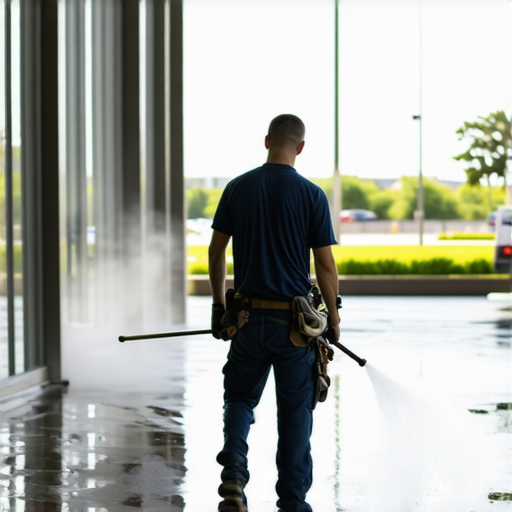
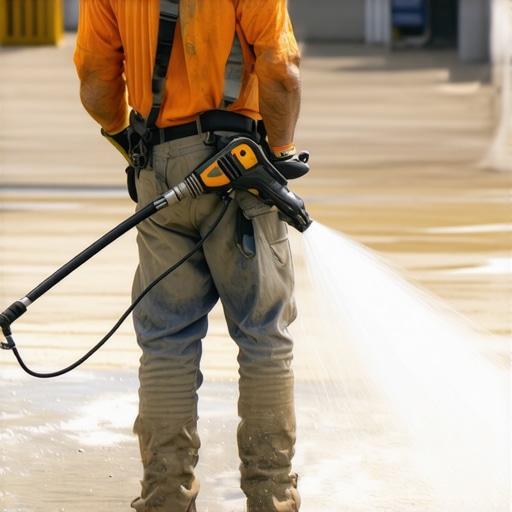
It hit me one spring morning as I saw a streak of dull, chipped limestone where shiny, pristine surfaces once stood—it was a powerwashing disaster. I had been so eager to make my home’s exterior sparkle that I ignored some crucial safety rules. The loud snap of a damaged limestone piece echoed in my mind, a harsh reminder that not all powerwashing is created equal. Have you ever faced that sinking feeling when your driveway or patio doesn’t come out quite right after a wash? If so, you’re not alone—and the good news is, there’s a way to prevent your own lightbulb moment.
Why Protecting Limestone Matters When Power Washing
Limestone is a favorite for many homeowners because of its elegance and durability. But if you don’t handle it with care, especially during powerwashing, you risk ruining its natural beauty. In 2026, the trend toward eco-friendly and soft powerwashing techniques is gaining momentum, mainly because aggressive practices can cause irreparable damage, leading to costly repairs or replacements. According to experts at Pressure Wash Pross, using excessive pressure or improper nozzle selection can strip away protective layers and cause surface erosion—certainly not what any of us want.
Early in my own experience, I made the mistake of using a one-size-fits-all power washer setting, which ended up scarring my limestone steps. That was a costly lesson that pushed me to learn the 5 safe powerwash rules—rules that I now swear by and want to share with you. These guidelines will help keep your limestone looking flawless, both now and as we head into 2026.
But here’s the thing: even with the best intentions, many folks underestimate the importance of proper powerwashing techniques. It’s not just about blasting away dirt; it’s about understanding what your surfaces need and how to deliver that safely. Curious if your current methods are putting your stone at risk? Stay tuned because I’ll cover exactly what behaviors you need to change to protect your surfaces from unnecessary harm.
Let’s dive into the practical steps so you can powerwash with confidence, knowing your limestone—and everything else—stays intact.
Choose the Right Pressure and Nozzle
Start by setting your power washer to a low-pressure setting, roughly 500 to 1,200 PSI, which is gentle enough for limestone yet effective for dirt removal. Use a fan-tip nozzle, typically a 25-degree spray angle, to distribute water evenly and avoid concentrated jets that can etch or scar surfaces. I once used a high-pressure nozzle on my limestone steps without proper adjustments, resulting in visible scars; that day, I learned to always select the appropriate nozzle and pressure for delicate surfaces. For more guidance on nozzle selection, check out this resource.
Maintain Proper Distance and Technique
Maintain at least 12 to 18 inches distance from the surface while spraying. Think of your spray like a gentle rain—too close and it’s a damaging downpour, too far and it’s ineffective. Keep the wand moving in slow, overlapping passes to prevent streaking or uneven cleaning. I once tried to rush through a driveway cleaning, maintaining the same spot, which left uneven patches and streaks. Moving steadily helped me achieve consistent results and avoid damage. Remember, consistency is key—don’t stay too long on one spot. For tips on stopping streaky results, see this article.
Adjust Pressure and Spray Pattern for Different Surfaces
Apply softer settings for fragile surfaces like limestone, stucco, or painted siding. Use a wider spray pattern to lessen the impact and avoid stripping away layers or paints. For rougher surfaces like concrete, you can cautiously increase pressure but still keep within safe limits. A mistake I made was increasing pressure on my siding, which caused paint peeling—a costly lesson that reminds me to always tailor settings per surface. For specific powerwashing techniques, review this expert guide.
Pre-treat Stains and Use Hot Water for Stubborn Grimes
Before power washing, pre-treat heavily stained areas with eco-friendly degreasers, especially on oily or moss-covered surfaces. Hot water can significantly boost cleaning power, melting away grease and grime more effectively than cold water. I faced stubborn oil stains on my driveway and applied a hot-water-based solution, which made removal much easier. For challenging stains, consider using chemical boosters compatible with your surface. Always follow safety guidelines, and avoid overusing harsh chemicals; learn more about eco-friendly mixes at this resource.
Practice Safe Technique and Regular Maintenance
Consistently inspect your equipment for leaks, cracks, or worn parts, which can cause uneven spray or damage. Regularly clean your nozzles to prevent clogs that can alter spray patterns and pressures. I once neglected nozzle maintenance, which led to inconsistent results and eventual damage. Consistent upkeep ensures your power washer operates optimally, protecting both your equipment and surfaces. For maintenance tips, refer to this guide. Additionally, always test your settings on a small, inconspicuous area before tackling larger sections, ensuring settings are appropriate. Remember, patience and diligence in these details keep your surfaces safe and pristine.Many homeowners assume that cranking up the pressure on their power washer delivers a faster, better cleaning result, but this belief often leads to unintended damage. The truth is, higher pressure doesn’t always mean cleaner surfaces—in fact, it can cause more harm than good, especially on delicate materials like limestone. Experts emphasize the importance of understanding the nuances of pressure settings and nozzle selection to achieve optimal results without risking surface erosion or scars. In my experience, relying solely on high PSI without adjusting for surface type is a common mistake that can cost both time and money. Additionally, many overlook the significance of maintaining equipment; neglected nozzles or clogged filters can create inconsistent spray patterns and damage surfaces—an issue pointed out in a study by the International Journal of Surface Treatment and Finish, which highlights how equipment maintenance directly affects cleaning efficacy and surface safety.
Ever wondered why some power washes leave streaks or uneven patches? The culprit often lies in overlooked factors like spray angle or distance, which require advanced understanding beyond basic operation. For example, using a narrow spray pattern on a large flat surface concentrates force, increasing the risk of scars; meanwhile, improper wand handling can lead to gouging or streaks. Ready to master these subtleties? Dive into trusted resources and expert tips, such as those found at Pressure Wash Pross, to refine your technique and protect your surfaces. Remember, effective powerwashing isn’t about brute force—it’s about finesse, precision, and knowledge. Have you ever fallen into this trap? Let me know in the comments.
To achieve consistent, damage-free results, investing in quality tools and establishing a maintenance routine is essential. I personally prioritize equipment that offers precision control and durability. For instance, I rely on adjustable pressure regulators and variable spray tips, which allow me to tailor the water force precisely to each surface, thereby reducing the risk of damage. When selecting a power washer, I recommend models that feature thermal overload protection and easy-access hoses—these details might seem minor but significantly influence longevity and performance. According to industry expert pressures at Pressure Wash Pross, choosing equipment designed for easy maintenance not only prolongs the life of your tools but also ensures safer operation over time, especially as you scale your projects.
In addition to selecting reliable machinery, establishing a routine for regular inspections—checking for wear on hoses, nozzles, and seals—prevents unexpected breakdowns. Regularly cleaning your nozzles with a designed nozzle cleaning kit maintains optimal spray patterns, as dirty or clogged nozzles can cause inconsistent pressure and surface damage. I have found that dedicating just 15 minutes at the end of each job for maintenance saves me from costly repairs and downtime later. For thorough guidance on routine maintenance, visit this detailed article.
Predictions for future trends suggest a shift toward smart, IoT-enabled power washers that can monitor pressure levels, water flow, and even detect leaks automatically. Such advancements will help us preempt issues and optimize our cleaning sessions even further. As technology evolves, integrating these tools into your workflow will become an advantage in delivering professional results consistently.
How do I keep my tools running smoothly over time?
Making a habit of routine maintenance—like inspecting seals, replacing worn parts, and cleaning filters—ensures your equipment operates at peak performance. Also, storing your power washer properly, especially during off-seasons, prevents damage from weather or pests. Using high-quality replacement parts designed specifically for your model enhances reliability. Don’t forget to review your manufacturer’s maintenance schedule regularly, and always test your equipment on small surfaces before starting large jobs to catch any issues early. Implementing these practices will save you time, money, and frustration in the long run, keeping your power washing setup dependable and efficient. For more in-depth tips, check out this cornerstone article.
Ready to elevate your Powerwashing game? I recommend starting with upgrading your nozzle selection to a variable, high-quality nozzle that allows precise control. It’s a small change that can dramatically improve your results and protect your surfaces. Give it a try, and see how the right tools combined with a disciplined maintenance routine can transform your projects into lasting, damage-free achievements.
Lessons Only the Pros Usually Learn
One of the biggest surprises I encountered was how much patience and attention to detail matter more than brute force. Rushing the job often leads to costly mistakes—like damaging your limestone or streaking your siding. The second lightbulb moment was realizing equipment maintenance isn’t just about avoiding breakdowns; it’s about protecting surfaces from uneven spray or unexpected scars. Lastly, I discovered that tailored techniques, adjusting water pressure and spray pattern for each surface, can make the difference between a pristine look and a repair bill. These lessons weren’t found in generic guides—they came from my personal mishaps and a commitment to learning from each.
Tools and Tips That Changed My Power Washing Game
For anyone serious about safe, effective power washing, I highly recommend investing in quality, adjustable nozzles like those featured in this list. A versatile power washer with adjustable PSI and ergonomic design makes maneuvering around delicate surfaces much easier. A simple nozzle cleaning kit, detailed in this resource, can save you from uneven spray and damage. I also rely on eco-friendly cleaning solutions from this guide to pre-treat stains effectively. These tools and tips embody the essence of doing the job right the first time, saving you money and time while protecting your surfaces.
Your Path to Confident Power Washing Starts Now
The future of power washing is about finesse, smarter equipment, and eco-conscious practices. I encourage you to lean into these innovative approaches—try new nozzles, embrace regular maintenance, and stay informed through trusted resources. Remember, every surface deserves gentle, precise treatment to look its best for years to come. Don’t wait for that accidental chip to prompt regret—start applying these safe techniques today and watch your surfaces thrive. Power washing with care not only preserves your home’s beauty but also transforms it into a source of pride. So, are you ready to elevate your power washing game and keep your property flawless?
What tricky surface have you struggled with, and how did you handle it? Share your insights below!