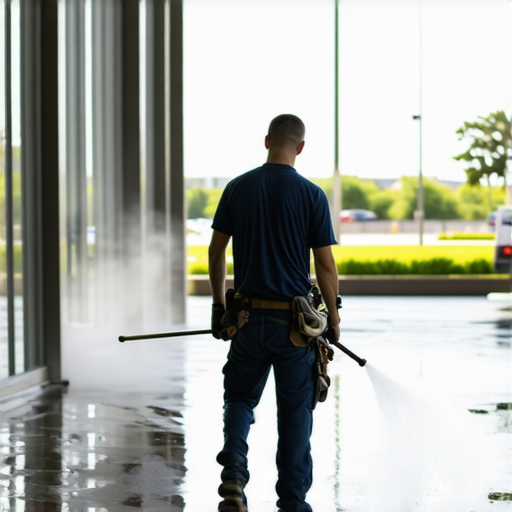
![4 Pro Powerwashing Hacks for Tough Concrete Stains [2026 Update]](https://pressurewashpross.com/wp-content/uploads/2026/01/4-Pro-Powerwashing-Hacks-for-Tough-Concrete-Stains-2026-Update.jpeg)
I remember the frustration vividly—the day I tried to power wash my driveway, only to realize that those stubborn oil stains and grime weren’t budging. The pressure washer roared, water blasted, but the stains stayed rooted like they were part of the concrete, not messes to be cleaned away. That lightbulb moment—realizing I was using the wrong technique—changed everything. If you’ve ever felt that sinking feeling of defeatedly watching your efforts go in vain, you’re not alone.
Powerwashing can be an incredible tool for transforming the look of your outdoors, but too often, people overlook crucial hacks that turn a decent cleaning into a truly professional-level result. Whether it’s those dark engine oil spots or ground-in dirt, tough concrete stains demand more than just a high-powered stream.
Today, I’m going to share with you the top four pro powerwashing hacks that will help you conquer even the most stubborn stains. These aren’t just quick tips—they’re game changers, backed by real experience and industry insights. Trust me, mastering these techniques will save you time, money, and the headache of redoing jobs that seem hopeless.
But before we jump into the solutions, let’s address a common skepticism. You might be thinking, “Are these hacks really worth the effort?” Believe me, I had my doubts early on, especially after making the mistake of rushing in without proper technique—something as simple as neglecting the correct nozzle can leave your concrete damaged or your stains untouched. The truth is, a bit of patience and knowledge makes all the difference in achieving lasting results.
So, have you faced the challenge of tough stains that just won’t come out? If yes, then you’re in the right place. Let’s explore how to optimize your powerwash for those stubborn spots, ensuring your concrete surfaces look fresh and clean in no time.
Mastering the Art of Tough Stain Removal
Pre-treat Stubborn Stains with the Right Cleaner
Start by applying a specialized concrete cleaner designed for oil and grime. Use a broad brush or sprayer to evenly distribute the solution over the stubborn spots. I once tackled my garage floor, mixing a degreasing agent, and it melted away years of engine oil buildup. This step loosens embedded grime, making the powerwashing process more effective. Avoid bleach; eco-friendly mixes are safer and just as powerful, as outlined in our guide on eco-friendly power washing solutions.
Choose the Correct Nozzle for Precision and Safety
Select a nozzle with a 25 to 40-degree spray pattern—this offers a wider, gentler stream that’s effective yet safe for concrete surfaces. For tough stains, a lower-pressure nozzle focused on specific spots can help lift grime without damaging the surface. During my last job, switching to a 40-degree nozzle saved me from damaging my pavement. Remember, pressure calibration matters—check your power washer equipment tips to ensure optimal settings and prevent surface damage.
Use the Right Technique to Maximize Results
Maintain a consistent distance of about 12-18 inches from the surface while sweeping in smooth, overlapping passes. Think of it like painting—failing to overlap can leave streaks, similar to how streaks occur if you don’t distribute water evenly. I remember once rushing and moving too fast, which caused uneven cleaning and streaks. Slowing down allows the water and cleaning solution to work together longer, breaking down grime more thoroughly. For best results, consider using a fan-shaped spray and adjusting your angle to avoid pushing dirt into crevices. For advanced tips, explore our power washing techniques guide.
Apply a Second Pass for Deep Cleaning
If stains persist, repeat the process with a focus on the problematic areas. Sometimes, a second application of cleaner, followed by a stronger pass with the power washer, is necessary. Rushing this step can re-soil your surface, so patience pays off. I discovered this during a project where initial cleaning left some grease spots; a second pass after treatment made them vanish. Remember, consistency is key—use the same technique as before, maintaining your distance and nozzle angle.
Post-Wash Care Enhances Longevity
Once you’ve thoroughly rinsed, consider applying a concrete sealant to protect your surface from future stains. A watchful eye on maintenance, including regular rinsing and spot cleaning, can prevent build-up. For routine upkeep, check your equipment, especially the pump, to keep performance steady—consult our pump maintenance checklist. Proper aftercare ensures your hard work endures and continues to impress.
Many enthusiasts assume that higher pressure always means better cleaning, but in reality, this misconception can lead to surface damage and inefficient results. The myth that cranking up the PSI will instantly tackle stubborn stains overlooks the importance of correct technique and equipment settings. Experts emphasize that understanding the nuances—the right nozzle, pressure calibration, and cleaning strategy—is crucial. For example, using a too-narrow spray can gouge concrete or strip paint, while an overly broad spray might be ineffective against embedded grime. In fact, there are studies showing that improper pressure and nozzle choice can cause lasting damage, which is why many professionals recommend consulting trusted resources like effective equipment tips before starting.
A common mistake is neglecting the importance of maintaining the right distance and angle during operation. Many users focus solely on PSI but forget that perpendicular and sweeping motions at the correct distance maximize cleaning while minimizing damage. Additionally, there’s a widespread belief that chemical cleaners are unnecessary—yet pre-treating stains with eco-friendly solutions significantly enhances results and reduces abrasive pressure needs. Be cautious, however: using harsh chemicals improperly can harm concrete or landscaping. For expert-approved methods, see our guides on eco-friendly cleaning mixes.
Why does nozzle selection matter more than PSI?
Many advanced users overlook the significance of nozzle type in favor of PSI. The truth is, the nozzle determines the spray angle and impact force, directly influencing cleaning effectiveness and surface safety. A wide-angle nozzle (40°) is perfect for delicate surfaces, while a narrow nozzle (15°) concentrates power for stubborn stains. Using the wrong nozzle can trap you in a cycle of failed attempts or cause damage that’s costly to repair. Proper nozzle choice, combined with calibrated pressure, can make your cleaning more efficient and safer. For detailed advice, check out our power washing techniques guide.
Another nuance often missed is the impact of equipment quality. Discount or rental units might seem convenient, but they often lack the precision and durability of professional-grade tools. This can lead to inconsistent pressure, inefficient cleaning, or worse, damage to your surfaces. I recommend investing in reliable equipment, which you can learn about through our equipment tips.
Lastly, many overlook the importance of regular maintenance on their power washers. A neglected machine can lose pressure, contaminate cleaning solutions, or break down unexpectedly. Preventative care—such as checking hoses, replacing worn nozzles, and flushing filters—ensures your tool performs at its best. For a comprehensive list, see our pump maintenance checklist.
Have you ever fallen into this trap? Let me know in the comments how you’ve navigated these pitfalls or what surprises you’ve encountered in power washing. Remember, mastering the technical nuances ensures your results are not only effective but also safe and lasting.
Investing in quality equipment is just the beginning; maintaining your power washing tools is essential to ensure they deliver peak performance season after season. Personally, I rely on a combination of routine checks and strategic upgrades to keep my gear operating at its best. Regular inspection of hoses, seals, and nozzles can prevent unexpected breakdowns, saving money and time in the long run. Effective equipment maintenance involves simple steps, like flushing out debris and replacing worn parts promptly.
Another critical aspect is understanding when to upgrade your tools. Equipment technology advances rapidly, offering more efficient, eco-friendly, and durable options. For example, newer models with variable pressure settings can adapt to different surfaces, minimizing damage while maximizing cleaning power. In my experience, switching to an adjustable pressure washer significantly improved my results on delicate surfaces without sacrificing cleaning strength. Staying informed about these innovations is key—consider subscribing to trusted industry blogs and reviews for the latest insights.
How do I maintain my power washing tools over time?
Proper maintenance extends beyond cleaning and inspecting; it also includes proper storage. Always drain residual water after use, especially in colder months, to prevent freezing and cracking. Using protective covers and storing equipment indoors helps avoid corrosion and wear from the elements. Additionally, check the pump oil levels regularly and replace filters as recommended by the manufacturer—following this pump maintenance checklist can prevent costly repairs.
To maximize your equipment lifespan, I recommend investing in quality accessories and using them correctly. For example, a high-quality nozzle with precise spray angles not only enhances results but also reduces wear on your machine. Remember, cheap replacements often lead to poor performance and faster degradation. I personally prefer tools from reputable brands, as they tend to have better build quality and longer warranties, making future scaling and routine maintenance smoother.
Looking ahead, the trend in power washing equipment points toward smarter, more integrated systems. Wireless pressure sensors and IoT-enabled devices are beginning to monitor performance and suggest maintenance, making tool management more proactive. Embracing these advancements can save time and prevent failures, ultimately allowing you to focus more on the craft than constant troubleshooting.
So, challenge yourself today by trying a pro tip: set your pressure washer to a lower setting for initial passes, then boost pressure strategically for stubborn spots. This technique reduces wear and increases cleaning efficiency—trust me, it makes a noticeable difference! Keep your gear in top shape, and your results will always impress.
The Hardest Lesson I Learned About power washer,power washing,powerwash
One of the biggest eye-openers was realizing that more pressure isn’t always better; sometimes, it’s about finesse and technique. I once damaged a driveway because I thought cranking up the PSI would fix stubborn stains, only to find myself dealing with costly repairs and a tarnished surface. It taught me that understanding your equipment’s nuances is crucial for effective cleaning and surface preservation.
3 Myths About power washer,power washing,powerwash That Held Me Back
I believed that eco-friendly solutions couldn’t tackle tough stains or that rental equipment was sufficient for professional results. Disproving these myths transformed my approach, highlighting that the right cleaning agents and quality tools make all the difference. Relying on these false assumptions often led to wasted time, resources, and frustration.
What Experts Won’t Tell You About power washer,power washing,powerwash
True mastery lies in the details—knowing when to switch nozzles, adjusting pressure, and pre-treating stains. Experts often emphasize technique over brute force, a lesson I uncovered through trial, error, and valuable industry insights. The nuances we overlook can make or break a project, so investing in education and quality equipment is essential for trustworthy results.
Curated Resources to Amplify Your Power Washing Arsenal
- Effective Equipment Tips: Staying updated on the latest power washer models and accessories ensures you’re working efficiently. I trust this resource because it offers practical, tested advice from industry veterans.
- Power Washing Technique Guides: Mastering the art of sweeping and nozzle selection can dramatically improve results. Their comprehensive techniques guide has been a game changer for me, transforming my approach from amateur to professional.
- Maintenance and Safety Protocols: Protect your equipment and yourself with expert-approved routines. I rely on this checklist to keep my gear in top shape and avoid costly breakdowns.
- Eco-Friendly Cleaning Solutions: Reducing environmental impact without sacrificing power. Their recommendations have helped me achieve tougher cleanings safely and sustainably.
Ignite Your Power Washing Confidence Today
Getting professional results is within your reach. With a willingness to learn, invest wisely, and apply proven techniques, you can elevate your power washing game and enjoy impressive, lasting outcomes. Remember, every project is an opportunity to improve your skills and enjoy the satisfaction of a job well done. So, gear up, stay curious, and don’t shy away from trying new strategies that push your abilities further.
What’s the most challenging stain or surface you’ve tackled, and how did your approach change as a result? Share your experiences below—I’d love to hear your stories and tips!