![Why Your Powerwasher Is Smoking: 4 Fast Engine Fixes [2026]](https://pressurewashpross.com/wp-content/uploads/2026/02/Why-Your-Powerwasher-Is-Smoking-4-Fast-Engine-Fixes-2026.jpeg)
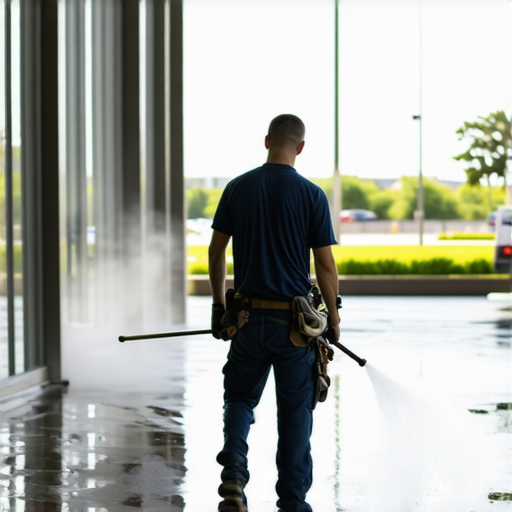
I’ll never forget the moment I hit the trigger on my powerwasher, expecting that satisfying roar of high-pressure water, only to be greeted by a thick plume of smoke billowing out. It was a gut-wrenching surprise—like watching my trusty tool suddenly turn into a small firework. That shock, coupled with the creeping worry that I had just blown my investment, made me realize how crucial it is to understand what’s happening under the hood of this powerful machine.
When Your Powerwasher Starts Smoking, Don’t Panic—Fix It Fast
Is Powerwasher Smoke Actually Worth the Hype?
Early on, I made a costly mistake by ignoring that initial smoke and continuing to use my powerwasher. Turns out, that smoke wasn’t just a minor hiccup; it was a warning sign of potential engine damage. The truth is, if you catch the problem early and perform the right fixes, you could avoid expensive repairs or even replacing the engine altogether. I learned this the hard way, but I want to save you the extra hassle. Today, we’ll go over four quick fixes that can get your powerwasher back to peak condition and prevent that smoky spectacle from happening again.
Understanding what’s causing your machine to smoke can seem intimidating, especially when you’re eager to get back to cleaning your deck or driveway. But with a bit of know-how, you can troubleshoot and fix the issue in no time. Want to dive deeper? Check out this guide to troubleshooting powerwasher problems for more tips.
Inspect and Clear the Fuel System
Start by turning off the powerwasher and disconnecting the spark plug to prevent accidental starting. Remove the fuel tank cap and inspect the fuel; old or contaminated fuel can cause smoke. Drain and replace it with fresh gasoline, ideally a high-octane mix. While doing this, check for fuel leaks or blockages in the fuel lines. I once experienced a smoky powerwasher because old fuel had gummed up the carburetor; draining and replacing fuel instantly stopped the smoke and restored normal operation.
Clean or Replace the Air Filter
An clogged air filter restricts airflow and causes the engine to run rich, producing smoke. Remove the air filter and inspect it for dirt or oil buildup. If dirty, wash it with soapy water if it’s a foam filter, or replace it if it’s paper. After cleaning or replacing, install it securely. I recall a weekend project where cleaning the air filter took just 10 minutes and completely eliminated the smoke problem, improving engine performance.
Check Spark Plug and Spark Arrester
Remove the spark plug to examine its condition; a fouled or worn plug can cause incomplete combustion and smoke. If it looks dirty or exists signs of damage, replace it with a new one. Additionally, inspect the spark arrester screen (if applicable), as carbon buildup can restrict exhaust flow and cause smoke. Cleaning the arrester with a wire brush restored proper flow and halted the smoke emissions. Think of the spark plug as the heartbeat of your engine—if it’s weak or dirty, the entire powerwash suffers.
Examine and Service the Carburetor
A dirty or misadjusted carburetor is a common culprit for smoking. Remove it and clean all passages with carburetor cleaner (do not use just any spray—opt for a dedicated cleaner, like those found here bio-based powerwash mixes). Check the float and needle for debris. If the carburetor is severely clogged or damaged, consider replacing it. In one case, cleaning the carburetor resolved persistent smoke without replacing the entire engine, saving me a significant expense. Proper adjustment of the idle and mixture screws can also reduce smoke emissions.
Monitor and Maintain Your Powerwasher Regularly
Prevention is key. Regularly check fuel quality, clean the air filter, and inspect spark components—think of it as giving your machine a health check. Schedule maintenance after every 20 hours of use or when you notice performance issues. I set reminders on my phone for routine checks, which helped me catch problems early and keep my powerwasher running smoothly without smoke. For more detailed maintenance routines, see power wash maintenance tips.
Many power washing enthusiasts and even seasoned pros fall into misconceptions that can hinder their effectiveness or cause damage. One widespread myth is that higher PSI always means better cleaning, but in reality, using excessive pressure on delicate surfaces like soft wood or eco-friendly siding can strip paint or even etch the material. Instead, understanding the subtle differences in nozzle types and adjusting pressure accordingly ensures you clean efficiently without damage. For example, a 25-degree nozzle delivers wide coverage at lower pressure, making it ideal for soft surfaces—something often overlooked by newcomers eager for rapid results.
Beware of the trap of over-reliance on PSI. Many believe that cranking up the PSI will give instant cleaning power, but this approach can backfire. Excessive PSI can strip sealants, disturb mortar, or create permanent scars, especially on masonry or delicate surfaces. Know that actual cleaning effectiveness depends on a balanced combination of pressure, flow rate, and proper technique. If you’re unsure, consult expert advice like the detailed power washing techniques guide, which emphasizes using the right pressure for each surface.
Are Soft Wash Methods Just a Trend or a Necessity for Safe Results?
Advanced users are increasingly turning to soft washing techniques that utilize lower pressure combined with specialized cleaning solutions. This method isn’t merely trendy; it’s a critical evolution to prevent damage to modern, eco-sensitive materials. Soft washing achieves deep cleaning without the abrasive force that traditional high PSI provides, extending the lifespan of your surfaces. Industry experts, as cited in solar panel cleaning tips, recommend soft washing for fragile elements like roofs and solar panels—areas often damaged by aggressive power washing. Understanding this nuance can significantly boost your results and protect your investments.
It’s tempting to think that a more powerful spray cleans better, but wielding excessive pressure without regard for surface sensitivity leads to long-term problems. This myth often causes homeowners to inadvertently cause damage that requires costly repairs. Instead, learn to recognize the subtle differences in equipment settings and choose the appropriate techniques; this is the hallmark of a skilled power washer. For comprehensive maintenance tips that prevent damage, check my power wash maintenance checklist.
Keep Your Power Washer Running Smoothly with the Right Tools
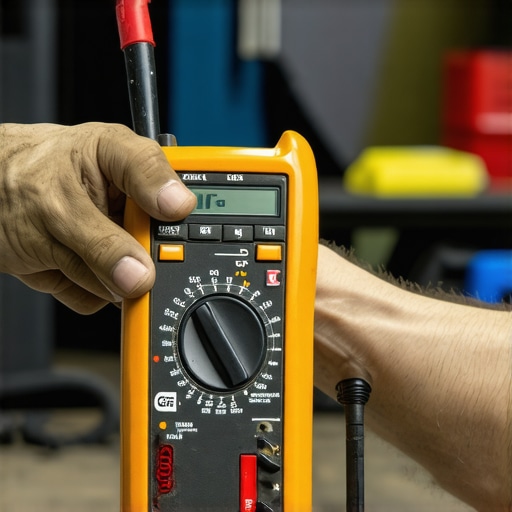
Maintaining a power wash system is about more than just cleaning surfaces; it’s about having the right tools on hand to troubleshoot, repair, and optimize your equipment. Personally, I swear by a high-quality set of wrenches and screwdrivers, specifically a precision ratchet set, which allows me to quickly disassemble components like the pump or nozzle assemblies for cleaning or repairs. Investing in a good digital multimeter is essential for checking electrical components, ensuring your power washer’s motor and wiring are in top condition. For example, verifying the continuity of the trigger switch prevents unexpected shutdowns during a job. A strong recommendation is to keep a set of high-pressure hose connectors and spare O-rings; these small parts often cause significant frustration if they fail, especially during busy weekends. To prevent leaks or bursts, I also use thread sealant tape on threaded connections, saving me time and preventing leaks that can compromise pressure and safety.
Modern solutions for long-term power wash success
In addition to basic hardware, software tools can improve your overall efficiency. Apps dedicated to scheduling maintenance and troubleshooting, like PressureWashPro’s maintenance tracker, ensure you don’t forget routine checks. Regularly inspecting and cleaning your spray tips with specialized cleaning kits, which include fine wire brushes, can prevent clogs and uneven spray patterns—making your washes more effective and reducing wear on the equipment. One often-overlooked tool is a carburetor rebuild kit, which simplifies cleaning and adjusting the fuel system, especially if you’re running your unit hard or on a seasonal schedule. As the industry advances, electric models with smart sensors are becoming more prevalent, alerting you to issues like oil levels or high-velocity vibrations before they turn into costly failures. While these innovations are promising, maintaining your existing gear with tried-and-true tools ensures longevity and consistent results.
What is the best way to maintain your power wash over time?
Consistent routine maintenance is the foundation of long-term reliability. I recommend creating a checklist that includes inspecting the pump for leaks, replacing worn hoses, and checking the power supply connections after every 20 hours of use. Incorporating bio-based cleaning agents, like those described in this guide to eco-friendly powerwash mixes, not only improves cleaning results but also reduces the buildup of damaging residues. Additionally, understanding how to avoid common pitfalls, such as over-pressurizing delicate surfaces, is key. For more detailed tips, consult this comprehensive maintenance checklist. Regular inspections, cleaning, and part replacements will keep your power washer performing at its best and save you money in the long run.
Future trends: Smarter power washing on the horizon
As technology progresses, the integration of IoT (Internet of Things) devices in power washers promises smarter maintenance solutions. Sensors that monitor pressure, flow rate, and motor temperature in real-time can alert users of potential issues before failure occurs. This proactive approach will make maintenance less reactive and more predictive, saving time and costs. Moreover, improvements in bio-compatible and environmentally friendly cleaning agents will continue to evolve, making power washing safer for surfaces and the environment. To stay ahead, I encourage experimenting with advanced nozzle systems that automatically adjust pressure based on surface feedback—these innovations could redefine the scope of professional and DIY power washing.
Ready to upgrade your maintenance routine? Try implementing a routine check using a high-quality multimeter combined with regular spray tip cleaning to ensure optimal performance. Consistent tool use and proactive care are your best bet for a reliable, long-lasting power wash experience.
The Hardest Lesson I Learned About power washer,power washing,powerwash
One eye-opening moment was realizing that smoke emissions aren’t just cosmetic issues but health signals for your machine’s health. Ignoring early warning signs can lead to costly repairs—trust me, I’ve been there. Embracing routine maintenance routines and listening to what your powerwasher tells you can save both your wallet and your frustration levels.
Switching to eco-friendly cleaning agents, like the bio-based mixes I swear by here, isn’t just good for the environment but also for extending your equipment’s lifespan. Making this shift helped me reduce chemical buildup and kept my power washer running smoothly for years.
My Essential Toolkit for power washer,power washing,powerwash
Investing in quality tools like a precise wrench set, a digital multimeter, and a spray tip cleaning kit has been transformative. These tools empower me to troubleshoot issues quickly, ensuring I stay ahead of problems like clogged nozzles or leaks. Having the right equipment removes guesswork and makes maintenance more approachable, even for beginners.
Your Turn to Try
Power washing is both an art and a science. The more you understand your equipment and respect its limits—like avoiding over-pressurizing delicate surfaces—the better results you’ll achieve. Remember, a smoke-free powerwasher doesn’t happen by chance; it’s the result of mindful operation and proactive care. Ready to take your power wash to the next level? Share your experiences or ask questions below—let’s grow stronger and smarter together!