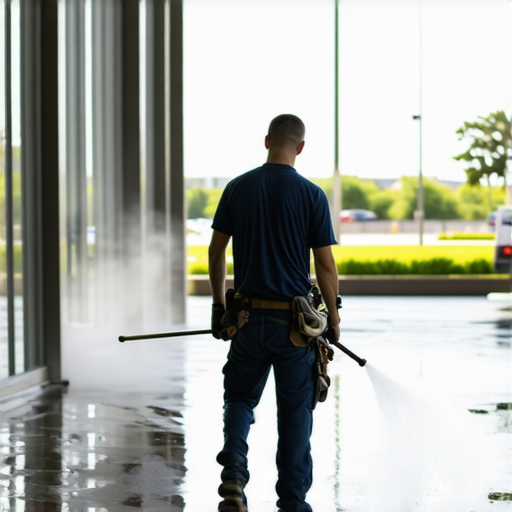
![5 Reasons Your Power Washer Won't Start [2026 Troubleshooting]](https://pressurewashpross.com/wp-content/uploads/2026/02/5-Reasons-Your-Power-Washer-Wont-Start-2026-Troubleshooting.jpeg)
I remember the exact moment my power washer refused to start on a sunny Saturday morning, leaving me with a stubborn driveway and a sense of frustration. After investing in what I thought was reliable equipment, I was puzzled—what could possibly be wrong? That lightbulb moment led me down a rabbit hole of troubleshooting that every homeowner should know about.
If you’ve ever faced that dreaded silence when turning on your power washer, you’re not alone. It’s a common headache, and the good news is, most issues are fixable with a bit of know-how. Today, we’re going to explore the **5 main reasons** your power washer might refuse to start in 2026 — and most importantly, how to solve them. No more guesswork, just straightforward tips to get you back to cleaning efficiently.
Why Your Power Washer Might Be Giving You the Silent Treatment
The first thing to remember is that your power washer is a complex machine with many interconnected parts. Sometimes, a minor oversight can cause a major failure. Early in my own journey, I made a crucial mistake: neglecting to check the fuel level before starting. It might seem obvious, but it’s surprisingly common. Ensuring your equipment is properly maintained can prevent many starting issues.
Before diving into repairs, consider visiting our detailed guide on [power washer errors that ruin your home’s curb appeal](https://pressurewashpross.com/5-powerwasher-errors-ruining-your-homes-curb-appeal-in-2026). It covers the most common mistakes—and how to avoid them—so your machine works when you need it most.
Now, let’s get into the core of the problem. If your power washer isn’t starting, here are the top reasons you should investigate first.
Start with Basic Checks
Before diving into complex fixes, verify your power washer’s essential components. Think of your machine like a car; if it won’t start, you check the fuel, battery, and switch. First, ensure the power switch is on, and the power cord is securely plugged in. Next, test your outlet with another device to confirm it works. Also, inspect the circuit breaker to prevent electrical issues from causing startup failures.
Inspect and Refill Fuel and Fluids
If your power washer runs on gas, check the fuel tank for fuel level. An empty or stale tank can prevent startup, similar to a lawnmower failing to start without gas. Drain old fuel if necessary, and refill with fresh gasoline mixed with the right oil ratio. For electric models, ensure the power cord and extension cords are in good condition, and replace if frayed or damaged.
Examine the Spark Plug and Ignition System
For gas-powered washers, the spark plug is crucial. Remove the spark plug and inspect it for fouling or cracks. Clean or replace it as needed. A worn spark plug can be like a dead battery—preventing the engine from firing up. Reattach the plug securely, and ensure the ignition switch is engaged. If issues persist, consider testing the spark with a spark tester or replacing the ignition coil.
Check Air Filter and Carburetor
A clogged air filter restricts airflow, making the engine struggle to start—similar to breathing through a blocked straw. Remove the air filter and clean or replace it. If the engine still won’t start, the carburetor might be clogged. Use carburetor cleaner spray to clear debris; in stubborn cases, a professional cleaning might be needed. Proper airflow and fuel mixture are vital for reliable startup.
Inspect Hoses and Water Supply
A common mistake is forgetting to connect the water supply or having clogged hoses. Power washers rely on a steady flow of high-pressure water; without it, the unit may not operate or start improperly. Turn on your garden hose and ensure there’s adequate water pressure. Check hoses for kinks, leaks, or blockages. Clean or replace hoses as needed, because a restricted water flow hampers engine cooling and pressure buildup.
Test the Pump and Unclog Nozzles
If the engine starts but no water comes out, focus on the pump and nozzles. Disconnect the spray gun, and run the machine briefly to confirm if water flows freely. Clogged nozzles or filters can mimic startup issues. Use a brush or wire to clear blockages. Regularly inspecting and maintaining the nozzles prevents pressure drops and ensures optimal performance.
Perform Regular Maintenance Checks
Keeping your power washer in top shape minimizes startup problems. Use recommended lubricants on moving parts, change engine oil periodically, and replace worn belts or seals. Think of these as routine health checks—saving you time and money later. Also, consider checking the machine’s 3 spots to avoid damage to prevent costly repairs that could cause operational failures.
Address Mechanical or Electrical Failures
When all basic troubleshooting fails, the issue might lie deeper—such as a faulty starter motor, blown fuse, or a broken relay. These often require specialized tools and knowledge. If you’re comfortable, consult the user manual or seek professional repair. Remember, sometimes a simple replacement of a fuse or cleaning contacts can restore function and keep your power washing schedule on track.
Applying these steps with patience and precision turned my stubborn power washer into a reliable tool that’s ready for action. Regular checks and early troubleshooting save time and frustration, ensuring your surfaces gleam without unnecessary downtime.
Many homeowners assume that tackling dirt and grime with a power washer is straightforward—a simple matter of blasting away stains. However, this approach often leads to subpar results or even damage. The common belief that higher pressure always equals better cleaning is a myth; in reality, understanding the nuanced differences in equipment settings, spray patterns, and surface types is essential for effective and safe power washing.
For instance, many believe that using the highest PSI setting on their power washer will clean faster and more thoroughly. But in my experience, exceeding recommended PSI levels for specific surfaces can cause irreversible damage, such as etching concrete or stripping paint. According to industry expert Don’t Blame the Equipment, using optimal pressure tailored to each surface yields better results with less risk. This emphasizes the importance of knowledge over brute force.
Why does one-size-fits-all never work perfectly in power washing?
Many enthusiasts fall into the trap of applying the same technique universally, ignoring surface-specific requirements. This oversight can lead to costly repairs or poor cleaning outcomes. For example, soft washing delicate surfaces like shingles or historic brickwork requires specialized low-pressure nozzles and eco-friendly cleaners. Overlooking these nuances results in surface damage, which is often mistaken for poor equipment quality rather than improper technique. Dive into our guide on power washing techniques to maximize results to learn how mastering precision can elevate your cleaning game.
Another common misconception involves chemicals. Many assume that stronger cleaning agents or just more soap will produce cleaner surfaces. In reality, using harsh chemicals or excess can harm the environment, damage surfaces, or lead to health issues. Eco-conscious brands and experts advocate for using biodegradable, surface-safe solutions, which are often more effective than aggressive chemicals. For example, green-certified cleaners can penetrate mold and grime efficiently without the risks associated with bleach or strong acids.
Additionally, many underestimate the importance of proper water flow and nozzle selection. Small mistakes like using a narrow spray tip or an incorrect angle can drastically reduce cleaning efficiency. Advanced users understand that choosing the right nozzle size (like a 25° for general cleaning or a 40° for soft washing) and adjusting spray distance are critical steps for optimal results. Our power washer tips offer strategies to refine your technique, avoiding common pitfalls.
Have you ever fallen into this trap? Let me know in the comments. Remember, success in power washing isn’t just about raw power; it’s about knowledge, precision, and respecting the subtle intricacies that define professional results.Maintaining your power washer is essential to ensure reliable performance and extend its lifespan. I personally rely on a few key tools and routines that make this process straightforward and effective. First, investing in a high-quality pressure gauge allows me to monitor pump pressure regularly, preventing the common issue of pressure drops that can cause inefficient cleaning or damage. Additionally, using a maintenance spray like WD-40 on fittings and moving parts helps reduce corrosion and keeps everything moving smoothly. For storage, I swear by a weatherproof cover that shields my equipment from the elements, especially during winter, to prevent rust and freezing issues. Regarding accessories, I opt for a set of quick-connect fittings and durable nozzles—these save time and prevent leaks during setup and breakdown, ensuring my workflow remains seamless.
In the future, I see smart technology playing a bigger role, such as integrated sensors that automatically alert you when maintenance is due or when performance drops. These innovations promise to make maintaining your power washer even more effortless.
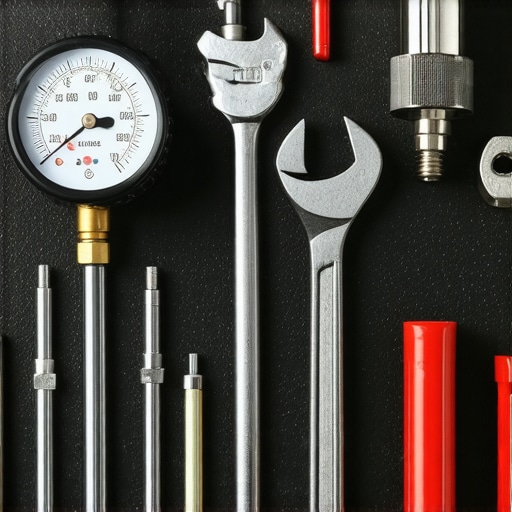
**How do I keep my power washer running smoothly over time?** Regularly cleaning filters, checking for leaks, and replacing worn nozzles are basic yet vital steps. I also recommend scheduling a yearly professional tune-up to address internal components that may not show obvious signs of wear. This proactive approach can save you from costly repairs and downtime.
For those serious about long-term results, consider upgrading to a commercial-grade power washer as your skills and needs grow—it offers better durability and performance. Learning proper storage techniques, such as draining the water system to prevent freezing, is vital too. For more detailed maintenance tips, you can explore our article on [power washer maintenance essentials](https://pressurewashpross.com/power-washer-tips-effective-strategies-to-boost-power-washing-results).
Don’t wait for performance issues to halt your projects; incorporate these routines into your regular care and try using a quality pressure gauge today to monitor your pump’s health. Doing so will make a noticeable difference in how your equipment performs over years of use.
Risking Surface Damage Taught Me That Gentle Wins the Race
Initially, I believed cranking up the pressure would breeze through grime, but I quickly learned that softer, targeted techniques protect delicate surfaces and produce better results. This realization pushed me to prioritize nozzle selection and spray angle adjustments, which transformed my approach from reckless to precise.
The Power of Routine Checks, Not Just When Things Go Wrong
It dawned on me that preventive maintenance, like regularly inspecting hoses and cleaning filters, saves hours of troubleshooting later. Developing a routine not only kept my power washer in top shape but also extended its lifespan, proving that a proactive mindset is invaluable.
Patience and Persistence Outperform a Quick Fix Every Time
Skipping thorough diagnostics may seem tempting, but I found that investing time in understanding the root cause—be it a clogged nozzle or electrical fault—pays off with consistent performance and fewer breakdowns. It’s a reminder that good maintenance is a marathon, not a sprint.
Learning to Read My Equipment’s Signals Elevated My Results
Understanding subtle cues from my power washer, like fluctuations in pressure or unusual noises, helped me catch issues early. This awareness fostered confidence and redefined my relationship with the equipment, emphasizing the importance of being attentive to small details.
Trusted Tools Make All the Difference
Over time, I curated a set of reliable accessories—quality nozzles, pressure gauges, and storage solutions—that optimized my workflow. These investments reinforced that quality tools are worth the cost, making power washing safer and more efficient.
Where to Go from Here
If you’re eager to refine your power washing skills, start by reviewing our power washing techniques guide. Remember, the key to mastering this craft isn’t just about brute force but about understanding your equipment deeply and respecting its nuances. By embracing these lessons, you’ll achieve surfaces that shine and equipment that lasts. What’s the biggest lesson you’ve learned about power washing? Share your story below—I’d love to hear your insights.