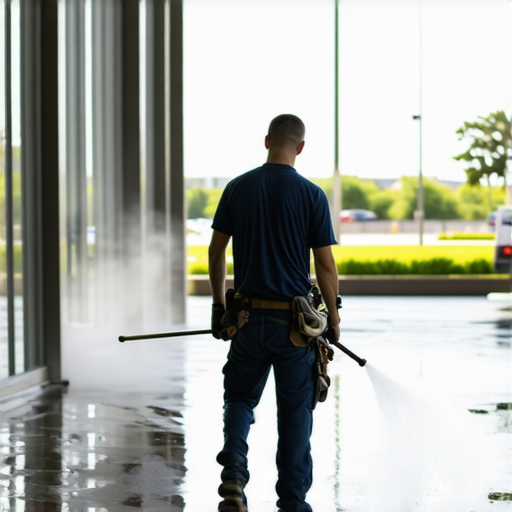
![Stop Ruining Solar Panels with These 3 Powerwash Tips [2026]](https://pressurewashpross.com/wp-content/uploads/2026/01/Stop-Ruining-Solar-Panels-with-These-3-Powerwash-Tips-2026.jpeg)
I vividly remember the moment I damaged my first set of solar panels. I was in a rush to clean off the stubborn grime, grabbed my pressure washer, and thought, “How hard can it be?” Turns out, quite hard. That accidental overzeal led to tiny cracks and a costly replacement. Ever experienced a similar lightbulb moment? If so, you’re not alone.
Solar panels are a fantastic way to save on energy bills and reduce your carbon footprint. But here’s the kicker: improper cleaning—especially with a power washer—can do more harm than good. If you’re like me, you might believe that a good blast of water is enough. Nope. That’s a quick path to ruining your investment.
Today, I’m here to share the **three crucial powerwash tips** I wish I knew when I started. They’ll help you clean effectively without risking damage, ensuring your solar panels perform at their best and last longer. Trust me, these tips can save you money and a lot of frustration.
Why You Can’t Just Blast Away and Hope for the Best
Many folks assume that power washing is a one-size-fits-all solution—turn on, spray down, done. But that’s a recipe for disaster, especially for fragile surfaces like solar panels. They’re designed to be sleek and efficient, not to endure high-pressure blasts.
Actually, using too much pressure or wrong settings can shatter or degrade the panels’ surface, which compromises their efficiency and longevity. The key is knowing the *right* pressure, the proper technique, and the eco-friendly cleaning solutions to keep your panels in top shape.
For example, early in my own journey, I made the mistake of using bleach-based cleaners, thinking it would give better results. But that damages the panels’ protective coatings and harms the environment. Instead, I found that eco-friendly mixes are safer and just as effective—check out [this guide](https://pressurewashpross.com/stop-using-bleach-3-eco-friendly-power-washing-mixes-for-2026) for safer cleaning options.
Are you tired of damaging your solar panels or wondering why they don’t look as bright as they used to? If yes, then you’re in the right place. Over the next sections, I’ll walk you through the essential powerwash tips and equipment that will help you clean smarter and preserve your solar investment.
Let’s dive into how you can fine-tune your approach without risking costly mistakes.
Choose the Right Equipment for Solar Panel Cleaning
Before you start, selecting the appropriate tools is crucial. Opt for a low-pressure oscillating or rotating spray wand, which mimics a gentle breeze rather than a hurricane. When I first attempted to clean my panels, I used a standard pressure washer set to a high psi, thinking more pressure meant better cleaning. The result? Cracked panels and a hefty repair bill. To avoid this, check out [this guide](https://pressurewashpross.com/effective-power-washer-equipment-tools-for-top-cleaning-in-2024) for equipment tailored for delicate surfaces like solar panels.
Adjust Your Power Washer Settings Precise Pressure Control
Using the correct pressure settings is vital. Think of your pressure washer as a garden hose; it needs just enough psi to wash away dirt without eroding the surface. For solar panels, a gentle setting between 300-500 psi is recommended. I once tried to accelerate cleaning by increasing the pressure—the panels’ surface layers started to weaken, leading to micro-cracks. To get it right, learn how to fine-tune your machine with [effective power washer tips](https://pressurewashpross.com/effective-power-washer-tips-boost-results-confidence-in-your-cleaning-in-2024).
Use Eco-Friendly Detergents and Proper Technique
Don’t rely on harsh chemicals; many strong cleaners can damage the protective coatings. Instead, opt for biodegradable, non-abrasive solutions. I experimented with bleach-based cleaners early on, which not only harmed the panels’ coatings but also contaminated nearby plants. After switching to eco-friendly mixes, visible dirt and grime came off more safely. Learn more about safe cleaning agents at [this link](https://pressurewashpross.com/stop-using-bleach-3-eco-friendly-power-washing-mixes-for-2026). Applying the solution with a soft brush or cloth, rather than spray, ensures even coverage without risking damage.
Apply the Right Technique for Effective Cleaning
Adopt a systematic approach: start from the top and work downwards, keeping your wand a consistent distance—at least 12 inches—from the surface. In my first attempt, I moved too close and caused streaks and potential damage. Remember, the goal isn’t to scrub aggressively but to loosen dirt with gentle agitation. For advanced techniques, check out [power washing techniques](https://pressurewashpross.com/power-washing-techniques-expert-tips-to-enhance-your-results-in-2024). Use overlapping strokes to ensure full coverage, avoiding missed spots or streaks.
Protect Surrounding Areas During Power Washing
While focusing on the panels, don’t neglect surrounding components like mounts or wiring. Cover nearby electrical parts with plastic sheets or tarp to prevent water infiltration. I learned this the hard way when water seeped into exposed connectors, causing electrical issues. Proper preparation safeguards your entire system. For comprehensive protection tips, see [this article](https://pressurewashpross.com/is-your-deck-peeling-3-pro-powerwash-prep-hacks-for-2026).
Final Checks and Maintenance
After cleaning, inspect your panels for any signs of damage and clear away residual debris. Regular maintenance extends the lifespan of your system. Using these precise techniques, I managed to restore my panels’ brightness without risking costly repairs. For ongoing care, visit [power washing success](https://pressurewashpross.com/power-wash-for-trustworthy-results-master-proven-techniques-equipment). Remember, patience and attention to detail make all the difference in preserving the efficiency and longevity of your solar investment.Most enthusiasts believe that selecting a powerful pressure washer is enough to achieve spotless surfaces, but in my experience, that’s only the tip of the iceberg. Many assume that a high PSI ensures deep cleaning, yet this can lead to surface damage if not applied correctly. The real nuance lies in understanding the *proper* pressure modulation and technique for each material, especially delicate ones like solar panels or painted wood. Relying solely on maximum pressure can cause micro-scratches or even cracks, undermining long-term results. Advanced users know that adjusting the flow rate and nozzle angle plays a crucial role—small tweaks here make a significant difference, as evidenced by expert advice from industry leaders. For instance, using a variable pressure control combined with a pinpointed nozzle can boost cleaning efficiency without risking damage, a technique often overlooked by beginners. Always remember the importance of pairing equipment choice with correct technique; otherwise, all that power can backfire. Are you aware of how your spray settings influence cleaning effectiveness? Have you ever fallen into this trap? Let me know in the comments. To get started, explore [effective power washer tips](https://pressurewashpross.com/effective-power-washer-tips-boost-results-confidence-in-2024) and refine your approach.
Investing in quality equipment is just the beginning; maintaining it properly ensures consistent performance and saves you money in the long run. Regular maintenance routines, the right accessories, and savvy upgrades can dramatically extend the lifespan of your power washer. I personally swear by certain tools and techniques that have kept my equipment running smoothly season after season.
Prioritize Routine Cleaning and Inspection
My first step in maintenance is always a thorough cleaning of the pump, nozzles, and hoses after each use. This prevents residue build-up that can cause clogs or corrosion. I use a specialized nozzle brush (see this guide) to clear out any grime lodged within spray tips. Inspecting hoses for cracks or leaks also prevents unexpected breakdowns. Regularly flushing the system with a vinegar solution (diluted, of course) helps prevent mineral build-up that can impair pressure and flow.
Tools That Streamline Maintenance
For me, a high-quality pump protector spray is essential. Applying a silicone-based lubricant to the pump seals before storage reduces corrosion and keeps parts moving smoothly. I also utilize a power washer-specific oil that can be pumped through the system annually—this is especially important if you live in a humid climate. Investing in a good set of replacement parts like nozzles and filters can minimize downtime. The ultimate toolkit includes all these essentials, and having them ready means I can swap out parts quickly without waiting for shipping delays.
Upgrade for Efficiency and Durability
As technology advances, I recommend keeping an eye on newer, more durable hoses and adapters. For instance, hybrid rubber-polymer hoses resist kinks and abrasions better, decreasing the chance of pressure loss or failure. Additionally, expanding your arsenal with adjustable wands and nozzles allows customization for different surfaces, which prolongs equipment life and enhances cleaning results. I’ve recently upgraded to a variable-pressure wand, which makes delicate tasks like cleaning solar panels safer and more efficient—check out this resource to learn more about adjusting settings properly.
Forecasting Maintenance Needs
With proper tracking—perhaps via a simple spreadsheet or app—you can schedule routine inspections, part replacements, and deep cleanings. I’ve found that establishing a seasonal checklist helps me stay ahead of issues before they become costly repairs. As pressure washing trends evolve, so does the equipment, with smarter pumps and eco-friendly lubricants emerging. Staying current with these innovations can grant you a competitive edge and keep your gear operating at peak performance.
How do I preserve my power washer over time?
One effective strategy is to develop a custom maintenance routine based on my usage frequency and local climate. For example, after heavy-duty projects, I perform an in-depth cleaning and lubrication session. Periodically, I also test the pressure output and inspect critical components for wear. Following manufacturer recommendations—like those detailed in this article)—ensures I don’t inadvertently void warranties. Moreover, storing the equipment indoors in a dry, temperature-controlled space prevents damage caused by rust or freezing conditions. Try incorporating one of these advanced maintenance techniques today, like applying a silicone lubricant to your pump seals, to instantly enhance your equipment’s longevity.
The Hardest Lesson I Learned About powerwash,power washing,power washer
One key insight I wish I had grasped earlier is that higher pressure isn’t always better — gentle yet effective cleaning requires finesse and understanding your equipment. I once damaged a panel because I thought brute force would do the trick. Now, I know that patience and proper technique are your best allies in preserving your investment.
3 Myths About powerwash,power washing,power washer That Held Me Back
Believing that all solar panels can withstand high-pressure sprays or that harsh chemicals speed up cleaning led to unnecessary damage. Dispelling these myths transformed my approach, helping me adopt eco-friendly solutions and equipment tailored for delicate surfaces — a game-changer that you can emulate with guidance from trusted resources.
What Experts Won’t Tell You About powerwash,power washing,power washer
While common advice emphasizes brute strength, experts highlight the importance of equipment selection and technique over raw power. Using low-pressure, adjustable wands paired with eco-friendly detergents preserves your panels longer. I’ve found that this nuanced understanding makes the difference between a quick fix and long-term maintenance success.
My Essential Toolkit for powerwash,power washing,power washer
Over time, I’ve curated a set of tools that ensure optimal results, such as a variable-pressure wand, biodegradable cleaning solutions, and nozzle adapters for delicate surfaces. These tools, recommended in this guide, have become indispensable in my maintenance routine, and I trust them for consistent, safe cleaning.
Where to Go from Here
Embarking on your power washing journey with confidence involves continuous learning and adapting. I encourage you to explore this resource for advanced tips and techniques tailored for delicate surfaces like solar panels. Remember, patience and proper technique will safeguard your panels and maximize their efficiency for years to come.
Charging Your Drive to Keep Cleaning Smartly
The world of power washing is evolving, and your ability to adapt with the right knowledge and tools will set you apart. If you’re ready to elevate your cleaning routine, start with the equipment recommended above, practice with patience, and enjoy the satisfaction of knowing your solar investment is well-cared for. Share your experiences below or ask questions—I’m here to help you master the art of safe, effective power washing.