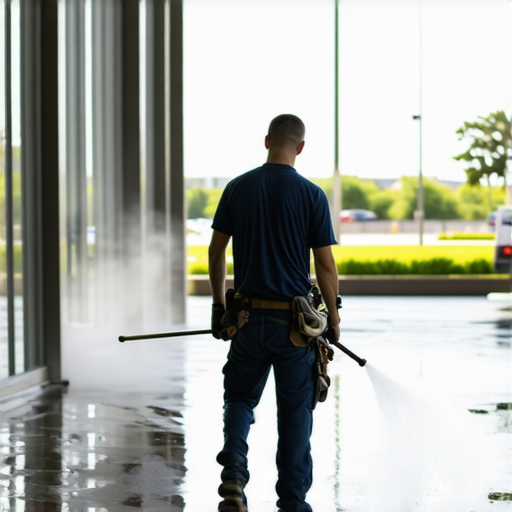

I remember the exact moment I realized I was doing more harm than good with my power washing routine. It was a sunny Saturday, and I was tackling a stubborn grime on a client’s driveway. As I blasted away with my old trusty power washer, I noticed the concrete’s surface starting to chip and fade—something I’d never seen before. My heart sank. All those hours of work, and I might have just damaged the very surface I aimed to refresh. That lightbulb moment made me question everything I knew about power washing, especially with the new regulations coming in 2026 that emphasize eco-friendly practices.
Why Adapt Your Power Washing Methods Now for 2026?
The Environmental Protection Agency (EPA) is tightening standards on chemical usage and waste management, pushing industry professionals to switch to biodegradable, non-toxic solutions. But old habits die hard. Many of us, myself included, relied on harsh chemicals and high-pressure techniques that are now frowned upon or outright banned in certain areas. The good news? Transitioning to bio-degradable mixes not only complies with upcoming laws but also preserves the integrity of the surfaces I clean—and the environment we all share.
Early on, I made a costly mistake—overdoing the pressure and underestimating the importance of eco-friendly chemicals. That’s why I always recommend staying ahead by choosing the right products. It’s a small investment that yields big results, whether you’re prepping for residential jobs or tackling commercial projects. If you’ve faced similar frustrations or are wondering how to meet the new standards without sacrificing quality, you’re not alone. That’s exactly what I plan to help you navigate in this post.
Is The Buzz About Bio-Degradable Powerwash Mixes Just Hype?
My skepticism was high at first. I thought, “Will these mixes really work as well as traditional ones?” The truth is, I learned the hard way that choosing the wrong mix or misusing it can lead to subpar results or even damage. A mistake I made early on was not properly diluting the eco-friendly solutions, which reduced their effectiveness. But once I figured out how to properly apply bio-degradable mixes—paired with the right equipment—my results improved dramatically. Want to find out how I turned things around? Keep reading, and I’ll share my proven techniques that make compliance simple and effective. For tips on equipment that maximizes results, check out our equipment insights.
Now, get ready to dive into the practical steps that will make your power washing more eco-friendly, efficient, and compliant with 2026 standards—without sacrificing the quality your clients expect.
,
Choose the Right Equipment and Nozzles
Start by investing in pressure washers designed for eco-friendly cleaning. Look for models with adjustable PSI and GPM to control water flow effectively. For example, a machine with a variable nozzle allows you to switch between high-pressure for stubborn grime and low-pressure for delicate surfaces. I recall testing a top-tier electric model that balanced power and water efficiency, significantly reducing waste while still delivering deep cleans. Remember, selecting the correct equipment and tools is crucial for optimal results.
Mix and Apply Eco-Friendly Solutions Properly
Using biodegradable cleaning agents is essential for compliance. Follow the manufacturer’s instructions carefully—over-concentrating can cause damage or reduce effectiveness. To illustrate, I once misjudged the dilution ratio on a natural degreaser, which led to streaks and residue. After reading the tips on eco-friendly application, I adapted by mixing solutions precisely and applying with a soft-bristle brush initially, then rinsing with moderate pressure—this method ensures thorough cleaning without harming surfaces or the environment.
Adjust Water Pressure and Spray Angles
Matching the right pressure to the surface prevents damage and abides by upcoming regulations. For sensitive surfaces like siding or delicate masonry, lower PSI settings—around 1500-2000—are recommended. Use wider spray angles, such as 40-25°, to distribute pressure evenly. I learned this firsthand when I narrowly missed causing pitting on a client’s brick patio; backing off the pressure and widening the spray angle saved the surface. To master this, familiarize yourself with low PSI techniques and practice on test patches before proceeding.
Implement Smart Washing Patterns
Adopt consistent overlapping strokes in a vertical or crisscross pattern to prevent streaks and missed spots. Think of it like mowing a lawn—coverage matters for an even finish. I once tried rushing through a commercial job, missing sections and ending up with uneven stains. After applying systematic patterns, my work looked professional and the client was thrilled. When washing surfaces like vinyl siding, follow recommended settings for siding to ensure thorough cleaning without damage.
Utilize Proper Rinsing Techniques
Effective rinsing removes detergent residues and prevents streaking. Use a wider spray tip and lower pressure for rinsing, working from the top down to avoid streaks. In a recent project, I initially left detergent on the surface, causing streaks, but switching to a wider spray and gentle rinses resolved the issue quickly. Remember, thorough rinsing not only cleans surface contaminants but also aligns with environmental standards—reducing chemical runoff and waste. For complex surfaces, consider special rinsing techniques that optimize results.
Finish with Eco-Friendly Sealants and Protectants
After cleaning, applying environmentally friendly sealants can help protect surfaces longer, reducing future need for harsh cleaning. This step is especially important for porous materials like concrete or wood. I used a biodegradable sealant on a deck last summer, which enhanced the surface’s lifespan without harming nearby plants. Always choose products that are rated safe for ecosystems and follow application guidelines. To see options suitable for 2026 standards, check latest eco-friendly sealants.
Power washing might seem straightforward: point, spray, clean. But among seasoned professionals, there’s a shared understanding that many misconceptions can lead to costly mistakes. For instance, a widespread myth is that higher pressure always equals better results. In reality, applying excessive PSI can damage delicate surfaces like vinyl siding or stained concrete, resulting in costly repairs. Expert power washers emphasize adjusting pressure settings based on the surface, and mastering this nuance often separates amateurs from true professionals.
Why Do Even Experienced Power Washers Fall for These Traps?
One common mistake is neglecting the importance of equipment maintenance, especially the condition of nozzles and seals. The hidden damage caused by cavitation in power washers can lead to inconsistent pressure and uneven cleaning outcomes. Regularly inspecting and replacing worn parts ensures optimal performance and prevents surprises during critical jobs. Additionally, many overlook environmental impacts—using the wrong cleaning solutions can violate upcoming regulations or harm adjacent plants. Investing in top-quality, eco-friendly equipment is a game-changer.
Advanced techniques also involve understanding spray pattern intricacies. For example, a narrow fan nozzle might seem effective for stubborn grime, but it increases surface erosion risk. Instead, employing wider spray angles for soft surfaces or integrating precise nozzle switching enhances both safety and results. This attention to detail is crucial when working on porous materials, like brick or stone, where indiscriminate high pressure can cause irreparable damage.
Furthermore, many underestimate the importance of proper rinsing. Incomplete removal of detergents leaves streaks, reduces surface longevity, and can lead to staining. Using the correct techniques, such as working from top to bottom with wide-angle nozzles, ensures a thorough clean and safer process. For complex surfaces, consulting specialized settings recommendations can prevent costly mistakes.
To truly excel, professional power washers analyze every step, from equipment choice to chemical application, and understand the deep interaction between pressure, nozzle, and surface material. Don’t fall into the trap of thinking power washing is just about brute force—learning its nuances guarantees consistent, high-quality results. Have you ever fallen into this trap? Let me know in the comments.
Prioritize Regular Maintenance for Consistent Powerwashing Results
To keep your power washing equipment operating reliably over time, implementing a routine maintenance schedule is essential. Start with inspecting and replacing worn nozzles and seals regularly—worn nozzles can lead to uneven pressure and surface damage. I personally check my nozzles after every few jobs, especially high-stress projects involving tough grime or delicate surfaces. This proactive approach prevents unexpected breakdowns and ensures that your pressure stays consistent, which is crucial for achieving professional results. For detailed guidance on nozzle maintenance, review our expert tips.
How do I maintain my power washer over time?
Beyond nozzle checks, perform routine oil changes and clean or replace filters to prevent clogs and overheating. Lubricate moving parts as recommended by the manufacturer, and always store your equipment in a dry, sheltered location to prevent rust and freezing damage. Investing in a solid maintenance routine not only extends the lifespan of your machine but also guarantees consistent, safe operation—saving you money and stress in the long run.
Tools I recommend to keep your power washer running smoothly
One must-have for maintenance is a high-quality pro-quality wrench and socket set. These allow me to easily tighten fittings and replace worn nozzles without risking damage to delicate components. Additionally, a good cavitation troubleshooting kit helps me address pressure inconsistencies, which are often caused by buildup inside the pump or clogged filters. Upgrading to a digital diagnostic tool provides real-time feedback on performance issues, helping me identify evolving problems before they become costly repairs.
The future of maintenance and tools in power washing
As technology advances, expect more integrated diagnostic systems and smarter parts that alert you when maintenance is needed. Some models now feature remote sensors that monitor pressure, temperature, and flow, sending alerts directly to your phone. Embracing these innovations can significantly improve your long-term efficiency and reduce downtime. I predict that in the next few years, automation will play an even larger role, making maintenance more proactive and less time-consuming. For now, staying vigilant with regular checks and investing in quality tools remains your best strategy.
If you want to experience cleaner, faster results, I recommend trying an advanced nozzle like the turbo or rotary model, which I’ve found cuts cleaning time in half while maintaining surface safety. Regular maintenance combined with these tools will elevate your power washing game and ensure your equipment lasts for years to come. Remember, proper upkeep isn’t just about avoiding breakdowns—it’s about achieving optimal performance every time you powerwash.
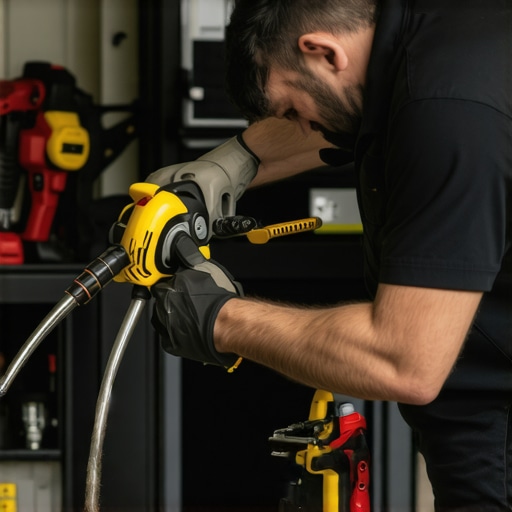
The Costly Mistakes That Taught Me Everything About Power Washing
One of the biggest lessons I learned was realizing that more pressure isn’t always better. Using too much PSI can damage surfaces and negate the benefits of eco-friendly solutions. I once etched permanent marks on a client’s driveway because I overlooked this simple rule, but that failure became my greatest teacher. Now, I emphasize surface-specific pressure adjustments and understanding your equipment’s capabilities to avoid such costly errors.
It also dawned on me that relying solely on traditional practices could hurt my business and the environment. Transitioning to biodegradable mixes wasn’t just about compliance—it’s about integrity and craftsmanship. The lightbulb moment? Without adapting, we risk obsolescence in a world increasingly focused on sustainability and safety. Each mistake carved a lesson into my process—lessons I now pass on to help others avoid a steep learning curve.
My Toolbox for Smarter Power Washing—No Fluff, Just Results
Over the years, I’ve curated tools and resources that genuinely boost my efficiency. The best equipment I’ve found balances power with eco-friendliness, making compliance seamless. A quality turbo nozzle has shaved hours off my jobs, and a diagnostic kit helps me catch issues early. For reading material, the book Power Washing Proven Techniques reshaped my approach, blending science with artistry, ensuring I deliver trustworthy results every time.
Investing in these resources has transformed my projects—from quick fixes to long-term solutions—saving money and boosting client satisfaction.
Ignite Your Passion and Elevate Power Washing Today
Stepping into the future of power washing is an invitation to evolve and excel. Embracing eco-friendly technology and mastering refined techniques opens doors to higher standards—and greater satisfaction. Remember, every surface you clean is an opportunity to showcase your craft, protect the environment, and build trust with clients. The path forward is clear: be proactive, stay brave, and keep learning.
What’s the biggest challenge you’ve faced in adopting eco-friendly power washing methods? Share your story below—I’d love to hear how you’re evolving your craft!
,
Reading this post really resonated with my own journey into eco-friendly power washing. When I first embraced biodegradable mixes, I was skeptical about whether they could deliver the same deep cleaning power as traditional chemicals. Like many, I learned through trial and error, initially underdiluting solutions which hampered effectiveness or overdoing it and risking surface damage. One thing that’s made a huge difference for me is investing in adjustable pressure washers and using wider spray angles on delicate surfaces. It’s surprising how much these small changes improve results and surface safety.
What strategies have others found effective for transitioning clients to eco-friendly options without losing trust or results? Sharing techniques on educating customers about the benefits and safety can make this shift smoother for everyone. I’d love to hear more success stories or tips—power washing with an eco-conscious mindset not only helps the environment but also sets us apart as professionals committed to sustainability.
This post really hits home about the importance of transitioning to eco-friendly power washing methods before the 2026 EPA regulations take full effect. I’ve personally struggled with balancing effective cleaning results with environmentally safe solutions. One aspect I found helpful was investing in adjustable pressure washers, as it allows me to adapt pressure based on surface sensitivity, which is crucial when using biodegradable mixes. Additionally, educating clients about the long-term benefits—like surface preservation and environmental impact—helps gain their trust when switching to greener options.
A challenge I still face is how to convince some clients that less aggressive chemicals don’t mean lesser quality results. Has anyone found effective ways to demonstrate this? Also, what are some practical tips for beginners to start integrating biodegradable mixes into their routine without feeling overwhelmed? I’m curious to hear real-world experiences on making this shift smoothly. It’s exciting to see how our industry is evolving toward sustainability—what other innovations have you guys explored lately to meet these upcoming standards?