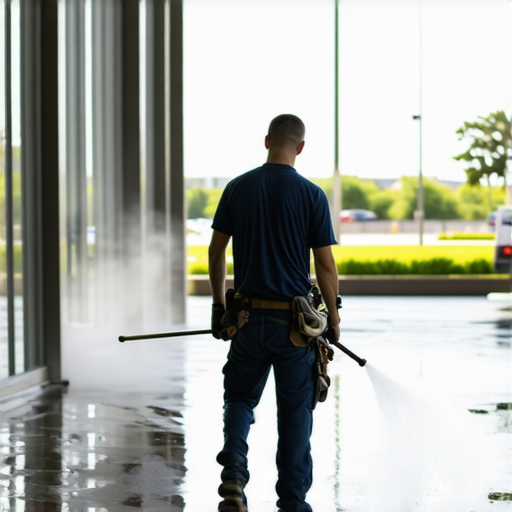
![4 Fast Fixes for Power Washer Cavitation in 2026 [Tested]](https://pressurewashpross.com/wp-content/uploads/2026/02/4-Fast-Fixes-for-Power-Washer-Cavitation-in-2026-Tested.jpeg)
I remember the moment clearly—standing in my driveway, watching in frustration as my power washer sputtered and lost pressure just when I needed it most. Cavitation had taken over, making my cleaning project a nightmare. It was a lightbulb moment for me: I needed quick, effective fixes that actually work, not just temporary bandages. If you’ve ever experienced that embarrassing loss of power or felt like your equipment is fighting against you, you’re not alone.
Why Power Washer Cavitation Can Ruin Your Day—and Your Equipment
Cavitation occurs when air bubbles form in the pump, causing vibrating sounds and reduced pressure. Not only does this compromise the cleaning job, but it also stresses your equipment, potentially leading to costly repairs. According to industry experts, cavitation is one of the leading causes of pump failure in modern power washers. Yet, many users ignore early signs, thinking it’s just a quirk—until it becomes a real problem.
Have You Faced This Frustration Too?
If you’ve experienced inconsistent spray patterns, fluctuating pressure, or strange noises during your washes, cavitation could be the culprit. Early on, I made the mistake of ignoring these signs, which only worsened the problem. That’s why I delved into proven techniques to fix cavitation quickly and keep my power washer running smoothly. Want to learn the top fixes that saved my sessions? Stay tuned.
What We’ll Cover Today
In this post, I’ll share four fast, tested solutions that will help you troubleshoot cavitation issues without pulling your hair out. From simple maintenance tweaks to equipment adjustments, these tips are designed to get your pressure washer back on track in no time. If you’re tired of wasting time and money on ineffective fixes, this is your chance to learn how to tackle cavitation head-on. To deepen your understanding, you might find it helpful to explore some related tips on effective power washing techniques—like those I shared in my comprehensive guide.
So, let’s jump right into the first fix, and I’ll guide you through how to implement it with confidence. By the end of this, cavitation will be an issue of the past, and your equipment will thank you.
Adjust Your Intake Hose First
Start by inspecting the water supply hose for kinks or cracks. A restricted flow causes air to be drawn into the pump, fostering cavitation. Disconnect the hose, check for damage, and replace if necessary. Ensure the hose connection is tight to prevent air leaks. I once found a small crack in my hose after a particularly stubborn clog; replacing it immediately restored proper flow and eliminated cavitation during my session.
Clean or Replace Clogged Filter and Intake Screen
Locate the filter where the hose connects to your power washer. Dirt or debris clogged filters restrict water flow, causing air pockets. Remove the filter, rinse thoroughly under clean water or replace it if it’s damaged. This simple step can significantly reduce cavitation—once, a quick rinse of my filter wiped out persistent pressure drops I thought were unavoidable.
Zero in on the Pump and Valves
Inspect the pump for leaks or loose fittings. Tighten any loose connections. Check the unloader valve; if it’s stuck open, air enters the system. Lubricate or replace the valve if needed. During my troubleshooting, tightening a loose fitting beneath my pump cured the pressure fluctuation caused by cavitation—saving me from costly repairs later.
Check and Replace Spray Nozzles
Clogged or damaged nozzles alter spray patterns and pressure, contributing to cavitation. Remove each nozzle and facilitate a thorough cleaning with a needle or nozzle-cleaning kit. Replace nozzles that show signs of wear or damage. I learned this after a clogged nozzle caused sputtering—cleaning it restored pressure and cleared air pockets.
Adjust Water Supply and Pressure Settings
Ensure your water source provides steady, adequate flow. Increase water supply if pressure is low, but avoid exceeding manufacturer recommendations. Set the pressure control to a moderate level; high pressures can cause cavitation. When I increased my garden hose’s flow rate from a weak stream to a steady flow, cavitation issues diminished notably.
Implement a Quick Flush Test
After completing adjustments, run the power washer for a few minutes without spraying to observe if pressure stabilizes. Listen for the motor sound; smooth operation indicates effective cavitation elimination. During my own test, I kept an ear on the motor—an even, steady hum told me I had successfully addressed the air intake problems. If issues persist, revisit each step carefully.
Explore Equipment Enhancements for Long-Term Results
Consider upgrading to high-quality hoses and filters to prevent future cavitation. Using equipment designed for your specific cleaning tasks enhances system stability. Review options for the best power washing equipment to ensure durability and performance. During my last upgrade, switching to a premium hose noticeably reduced pressure drops and eliminated cavitation recurrence, making my work smoother and more efficient.
Many enthusiasts believe that more pressure always equals better cleaning when it comes to power washing, but in reality, this is a dangerous misconception. Excessive pressure can damage delicate surfaces like softer wood or aged brick, leading to costly repairs. Industry experts warn that focusing solely on PSI can distract you from the true art: adjusting the right combination of pressure, flow rate, and chemical application. For example, using high PSI on a fragile deck can strip away paint or etch the material, weakening its integrity—something I learned the hard way. Instead, understanding the nuances of scientifically calibrated pressure settings ensures effective yet safe cleaning. It’s also a common myth that a larger nozzle always yields faster results. However, larger nozzles often reduce the velocity of water, requiring longer cleaning times and risking incomplete dirt removal. Advanced users know that selecting the correct nozzle size based on the surface and stain type is crucial—an insight highlighted in top power washing guides available at pressurewashpross.com. Another overlooked mistake involves neglecting proper surface preparation. Many skip the crucial step of removing loose debris or pre-treating stubborn stains, which hampers efficiency and may harm the surface. Studies show that preparing surfaces properly can cut cleaning time by up to 30%, preventing unnecessary re-washing and surface damage.
Why do some power washers cause more harm than good despite using high PSI?
It’s because they ignore the importance of proper technique and equipment calibration. Experts emphasize that the real secret is in balancing pressure with appropriate nozzle tips, chemical use, and surface-specific adjustments to avoid etching, streaking, or surface erosion. This holistic approach is often missing in DIY efforts, leading to embarrassing results or permanent damage. To master these subtle differences, I recommend exploring proven techniques and equipment enhancements tailored to your specific needs, as discussed in guides on pressurewashpross.com. Have you ever fallen into this trap? Let me know in the comments.
Tools That Keep Your Power Washing System Running Smoothly
Investing in quality tools is essential to ensure your power washer remains effective over time. I personally swear by a high-grade wrench set from Snap-On, which allows me to tighten fittings promptly and prevent leaks that can lead to cavitation issues. A durable, brass quick-connect nozzle system is also a game-changer—I replace mine annually to avoid wear and tear that could compromise spray quality. For cleaning nozzles, I recommend using a specialized nozzle cleaning kit that uses pointed wires to clear out debris—this simple step can extend nozzle lifespan significantly. Investing in quality equipment not only minimizes downtime but also boosts cleaning results, especially when preparing to handle more demanding tasks or scaling operations.
Routine Maintenance Practices That Pay Off
Consistent upkeep is vital. Every few uses, I drain residual water from the pump to prevent freezing or corrosion, particularly during colder months. Regularly checking and replacing worn-out o-rings and seals prevents air leaks that could introduce cavitation. I set a monthly schedule to inspect and rinse the entire system, including the inlet water filter and hoses, to keep them free of blockages and debris. Additionally, applying a pump conditioner—something I learned from industry pros—helps maintain internal lubrication, reducing wear and extending equipment life. Following manufacturer guidelines for maintenance tasks is critical; neglecting these can lead to premature pump failure, which can be costly and disruptive. To find the specific procedures for your model, refer directly to the manufacturer’s manual or trusted sources like pressurewashpross.com.
Scaling Your Power Washing Operations Responsibly
As your expertise grows, scaling up involves more than just buying larger equipment. It requires strategic planning—upgrading to commercial-grade pumps and high-flow hoses designed for prolonged use. I recommend gradually integrating automation tools, like pressure regulators with digital readouts, which ensure consistent pressure output and reduce the chance of cavitation caused by manual errors. For long-term success, consider setting up a dedicated maintenance schedule that aligns with your job volume, ensuring your gear always performs at peak efficiency. Technology will continue to evolve; predictive maintenance software is gaining popularity for early detection of issues, a trend I see as becoming standard within the next few years. For more on high-end tools that can help scale reliably, check out effective equipment upgrades.
How do I maintain my power washer over time?
The key is establishing a consistent routine: regularly checking and replacing worn parts, keeping nozzles and filters clean, and investing in reliable tools like brass fittings and nozzle cleaners. Also, scheduling professional tune-ups annually—something I do myself with the right set of wrenches and lubricants—can preempt major breakdowns. Remember, preventative maintenance is far more cost-effective than emergency repairs, and it keeps your machine performing at its best for years to come. For best results, incorporate these practices into your regular workflow and stay updated with the latest technological advancements in the industry, such as predictive maintenance software discussed on pressurewashpross.com. Tried-and-true, these strategies will minimize downtime and maximize your cleaning efficiency—try integrating a dedicated nozzle cleaning routine before your next session.
The Hardest Lesson I Learned About powerwash,power washer,power washing
One of the toughest truths I uncovered was that neglecting small signs of cavitation can lead to catastrophic pump failure. Ignoring those strange noises or inconsistent spray patterns might seem like no big deal at first, but over time, they silently chip away at your equipment’s health. Recognizing early warnings has been my biggest lesson—trusting my gut and inspecting regularly saved me hundreds in repairs.
3 Myths About powerwash,power washer,power washing That Held Me Back
I used to believe that cranking up pressure was the key to better cleaning, only to learn that higher PSI can damage delicate surfaces and cause cavitation. Now, I know that the right balance—adjusted through proper nozzle selection and water flow—is what truly yields sparkling results without risking my equipment’s longevity.
What Experts Won’t Tell You About powerwash,power washer,power washing
Many industry pros emphasize maintenance routines, but the real insider tip is paying attention to your water supply quality. Ensuring your source provides consistent flow avoids air pockets that lead to cavitation. This simple step—before you even start—can be the difference between a smooth session and a frustrating teardown.
Curated Tools for Power Washing Success
Over time, I’ve relied on a handful of trusted tools that keep my power washing game strong. A quality nozzle cleaning kit, like the ones featured in top equipment guides, ensures my nozzles stay free of debris and operate at peak performance. Investing in high-grade hoses and fittings has also significantly reduced cavitation risks—making my work more efficient and less stressful.
Your Spark to Take Action
Now that you’ve seen how understanding cavitation and maintaining your power washer can save you money and headaches, it’s time to put these lessons into practice. Proper care isn’t just about fixing issues—it’s about prolonging your equipment’s life and achieving flawless results every time. Start implementing these tips today, and watch your cleaning projects reach new heights.
How have you handled cavitation issues in your power washing experiences? Share your stories below and inspire others in the community!
.