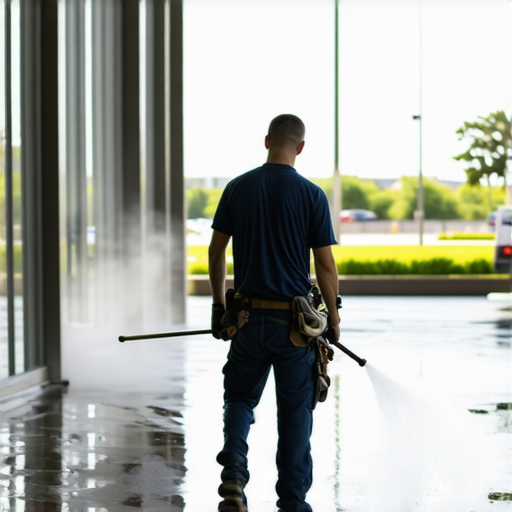
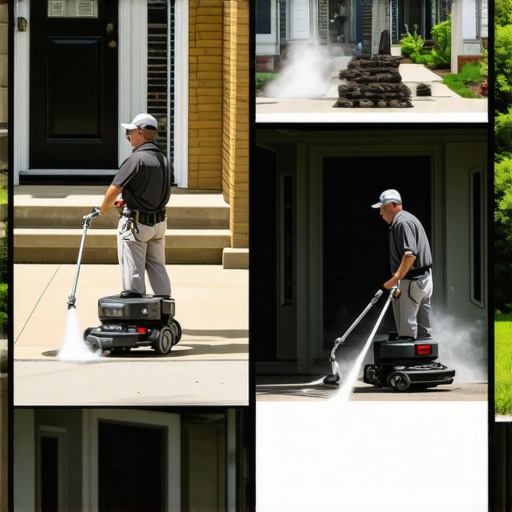
I’ll never forget that morning when I fired up my power washer, aiming to clean the stubborn grime off my siding. I pressed the trigger, expecting a spotless transformation, but instead, I saw streaks, scars—damage I hadn’t anticipated creeping across my home’s surface. That lightbulb moment hit me hard: I was using too much pressure, and my siding was paying the price.
Like many homeowners, I realized that the key wasn’t just about blasting away dirt—it was about knowing the right settings to protect what matters most.
Why Choosing the Right Powerwash Settings Matters More Than Ever in 2026
In recent years, the pressure washing industry has shifted toward gentler, more effective techniques. With siding materials evolving and a growing emphasis on eco-friendly, damage-free cleaning, understanding how to adjust your soft powerwash settings is crucial. Not only does it save your home’s exterior from unnecessary harm, but it also extends the lifespan of your siding, saving you money and headaches down the line.
According to recent studies, improper power washing can lead to costly repairs—up to thousands of dollars—due to surface damage or water intrusion. So, balancing cleaning power with care isn’t just a tip; it’s a necessity. If you’ve faced situations where your siding looked worse after washing, chances are you were using a setting too aggressive. Don’t worry, I was there too.
Today, I’ll share the four soft powerwash settings I swear by for 2026—settings that have transformed my approach from reckless to expert. Whether you’re a DIY enthusiast or just starting out, mastering these will help you get trustworthy results every time, without the risk of ruining your home’s curb appeal.
Are you tired of seeing streaks, scars, or water stains after your washes? If so, you’re in the right place. Let’s dive into how to set your power washer at just the right level—protecting your siding while making it shine like new.
Is Forgetting to Adjust Your Settings Actually Worth the Risk?
Early on, I made the mistake of using the same high-pressure setting on every surface. It wasn’t until I cracked a bit of my siding that I realized I had to tailor my approach. Using too much pressure not only damages siding but also voids warranties and invites recurring problems. Trust me, the damage can be nearly invisible at first but long-lasting and costly to fix. For reliable, damage-free cleaning, you need to know the right settings. For more expert tips on top equipment, check out this guide to effective power washer equipment.
Adjust Your Nozzles and Pressure Like a Pro
When I first started, I thought I could set my pressure washer to max and just go. That was a mistake. Instead, I learned to select the right nozzle for each surface—using wider spray tips for siding to reduce pressure but still get the job done. For instance, I switched from a 0-degree nozzle to a 25- or 40-degree nozzle when working on my vinyl siding, which sank the risk of damage while maintaining cleaning power. Think of your nozzle as the lens on a camera—changing the lens changes the focus and shot outcome. To find the best combinations, check out this guide on power washer equipment tips.
Set the Correct PSIs and GPM for Each Surface
I once attempted to clean my porch with just high PSI, but the water eroded the wood instead of cleaning it. Now, I set my PSI to around 1500-2000 for delicate surfaces like wood decks and around 3000 for concrete. GPM (gallons per minute) is equally vital—higher GPM means more water delivered, which can wash away dirt more efficiently without applying excessive force. Think of it like watering plants: a gentle stream can still cover a wide area, but a powerful jet may cause erosion. A practical tip is to start with lower PSI and GPM, then gradually increase based on the surface. To optimize your equipment, consult this top gear strategy.
Control Your Distance for Optimal Results
During my initial weekends of DIY, I stood too close, causing streaks and even paint peeling. Now, I keep the nozzle about 12-18 inches from the surface, which acts like a safe buffer zone that balances cleaning effectiveness and surface safety. Visualize it as a painter’s brush—holding it too close causes splatter, too far dilutes the paint. Experiment with your distance to find that sweet spot; typically, a foot or so works well for most house siding. Using a proven distance technique accelerates your success.
Leverage Technique Variations for Better Results
In my early days, I simply blasted away grime with consistent speed. Now, I vary my technique—using overlapping circular motions, adjusting spray angles, and managing pressure on the fly. This method prevents streaks and uneven cleaning. Think of each pass as a dance—smooth, controlled, deliberate. For stubborn stains, I lean into softer, broader sprays, and for loose dirt, I switch to concentrated shots on specific areas. For detailed insights, review this technique-focused resource.
Practice Safety First to Protect Your Property
My oversight was ignoring safety precautions—blast near windows or lights, and you risk costly damage. Now, I wear goggles, secure all delicate fixtures, and keep pets and children away. Think of your power washer as a high-powered tool—respect it as you would a chainsaw. Always test a small, hidden area first to see how the surface reacts before tackling the visible parts. For detailed safety procedures, refer to this safety-focused equipment guide.
While it might seem straightforward—adjust pressure, spray, and rinse—many homeowners overlook subtle yet critical aspects that differentiate a professional job from a amateur mishap. One common misconception is that higher pressure always equals better cleaning; in reality, too much force can damage surfaces and cause costly repairs. For example, experts emphasize that using the correct nozzle and PSI based on the material is essential for effective and safe cleaning, which you can learn more about in this guide to power washer equipment.
Another myth is that water temperature doesn’t matter. While most residential power washing is done with cold water, certain stubborn stains, like mold or oily grime, respond better to warm or hot water, leveraging the advanced capabilities of professional equipment. However, using temperature responsibly is key; excessive heat can warps surfaces or damage seals. For nuanced techniques on adjusting your setup, this resource on proven strategies provides insights.
One oops often committed by DIYers is neglecting surface inspection before starting the process. Small cracks or peeling paint can become exacerbated if you begin spraying without detecting these issues upfront. A thorough assessment allows you to tailor your approach, such as sealing cracks beforehand or choosing gentler settings around vulnerable spots. Industry professionals stress that neglecting this preparatory step leads to ‘surprises’ later, which can be costly or dangerous. Check out this expert tip on expert techniques.
Why is choosing the wrong nozzle a trap novices often fall into?
Many assume that a one-size-fits-all nozzle is sufficient, but in reality, nozzle selection critically impacts cleaning outcome and surface safety. A narrow 0-degree nozzle delivers high pressure suitable for tough stains but can easily damage surfaces like vinyl siding or delicate wood if misused. Conversely, wider spray tips (25- or 40-degree) distribute pressure more evenly, reducing surface erosion without sacrificing cleaning power. Experts recommend practicing with different nozzles on scrap materials before tackling actual surfaces; this ensures precision and avoids costly damage. For gear recommendations, see this top equipment guide.
Switching focus from equipment to technique, adjusting your distance from the surface and managing your spray pattern optimizes results while safeguarding your property. For instance, maintaining a steady, overlapping motion prevents streaks and uneven cleaning. Overlooking these nuances turns a straightforward job into a gamble. Industry authorities point out that mastering these finer points not only enhances efficiency but also prolongs your equipment’s life and preserves your surfaces. Learn more about refined techniques in this expert resource.
Ultimately, the secret lies in recognizing that power washing isn’t just about blasting away dirt; it’s a skill that combines understanding equipment capabilities, surface sensitivities, and environmental factors. The difference between a professional-looking result and a costly mistake often boils down to these hidden nuances. Have you ever fallen into this trap? Let me know in the comments.
Equip Yourself with Reliable Tools for Lasting Results
Investing in quality tools is the foundation of successful power washing that stands the test of time. I personally rely on robust, adjustable pressure regulators, which allow me to fine-tune my water pressure to suit different surfaces, thereby preventing damage while maximizing cleaning power. For example, I use the effective power washer equipment that features variable PSI settings and durable hoses, ensuring consistent performance with minimal maintenance. These tools save me from costly repairs and keep my equipment running smoothly season after season.
How do I maintain my equipment over time?
Regular maintenance is crucial. I recommend inspecting hoses and connections for leaks, replacing damaged spray tips promptly, and flushing out the system after each use to prevent buildup. Additionally, applying a thin layer of silicone lubricant to the O-rings helps maintain their seal and prolongs their lifespan. Referencing expert advice, such as the best practices for power washer maintenance, provides valuable insights into preventing common issues.
Choose Tools That Enhance Efficiency
My breakthrough came when I upgraded to a commercial-grade foam cannon, which applies cleaning solutions evenly and reduces the need for excessive scrubbing. This tool, recommended in the top equipment strategies for 2024, helps me achieve professional results with less effort and time. Additionally, a turbo nozzle can dramatically improve dirt removal on stubborn surfaces, but only when used correctly and at the proper distance. These tools have become indispensable in my routine, ensuring thorough cleaning while extending the lifespan of my equipment.
What trends are shaping power washing tools in the future?
Advancements are focusing on smarter, more automated systems that incorporate sensors for optimal pressure control, reducing user error and damage risks. Eco-friendly accessories that lower water consumption without sacrificing effectiveness are also gaining popularity. Industry expert sources, such as the latest decking maintenance tips, emphasize the importance of adopting these innovations early. I encourage you to experiment with advanced attachments like foam cannons and turbo nozzles, as they significantly enhance results when used with proper technique.
Master Your Equipment for Optimal Results
Knowing the right tools and how to maintain them is just the beginning. The true skill lies in applying these tools effectively over time. I challenge you to choose one of the tools mentioned—perhaps the foam cannon or variable pressure regulator—and integrate it into your routine this weekend. Consistent use and proper upkeep will ensure your power washer remains a reliable asset for years to come. For detailed instructions on routine maintenance, consult the professional guidelines. Keep your equipment in top shape, and you’ll enjoy cleaner, more beautiful surfaces with less stress and expense.
Invaluable Lessons That Changed My Approach to Powerwash
One of the toughest lessons I learned was the importance of patience and preparation. Rushing through a power wash might save time initially but often leads to surface damage that costs much more in repairs. Now, I always inspect my surfaces first, adjusting my settings accordingly, which has drastically improved my results and saved me money. I also discovered that investing in quality nozzles and equipment doesn’t just enhance cleaning efficiency—it protects my surfaces and prolongs my tools’ lifespan. Lastly, I realized that safety isn’t optional; wearing the right gear and keeping hazards at bay make the job safer and more satisfying.
Tools and Resources That Elevated My Power Washing Game
The equipment I swear by includes the variable PSI power washer that allows precise pressure control, and a durable sturdy spray gun for better handling. For tackling stubborn stains, a turbo nozzle has been a game-changer, providing increased power without risking damage. I also rely heavily on expert tips and top-rated tools from trusted sources to stay updated and refine my technique.
Embrace the Challenge and Elevate Your Results Today
Power washing in 2026 isn’t just about having the right equipment; it’s about mastering technique, patience, and safety. Whether you’re a DIY enthusiast or serious about professional-level results, taking the time to learn and adapt makes all the difference. Every surface tells a story, and your goal is to enhance its appearance without causing harm. Dive into these tips, invest wisely, and don’t hesitate to experiment—your home will thank you for it. Ready to transform your approach and achieve spotless, damage-free results? The power is in your hands—literally.