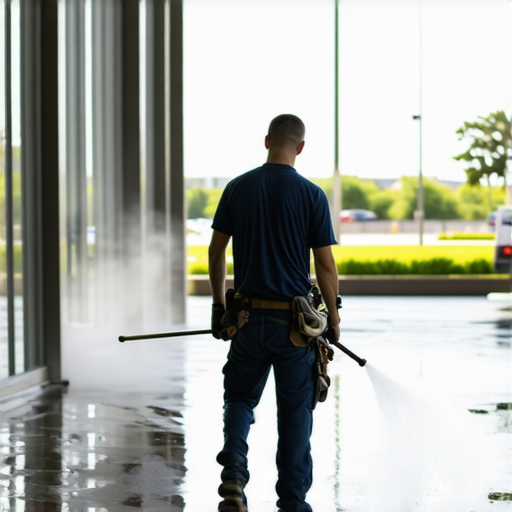
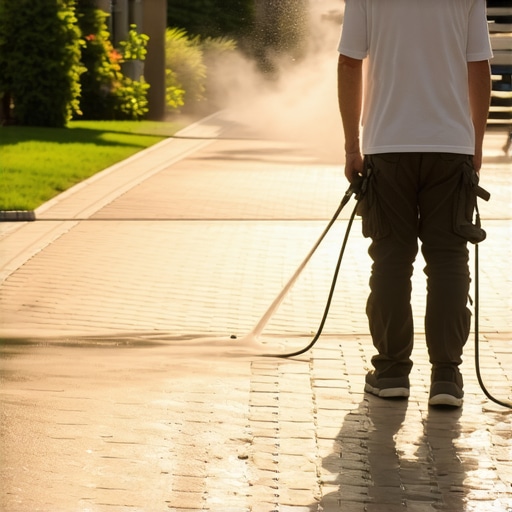
I remember the first time I blasted away what I thought was dirt from my driveway, only to realize I had stripped away the delicate top layer of my pavers. It was a lightbulb moment—one that made me question everything I knew about powerwashing. Suddenly, my pristine-looking driveway was riddled with scratches, streaks, and uneven patches. Frustration set in, but I also found myself eager to learn how to do it right.
Why Proper Powerwashing Techniques Are a Game Changer
In 2026, more homeowners are turning to power washing to boost curb appeal and maintain their surfaces. But if you’re like me initially, you might be unknowingly damaging your pavers with the wrong approach. A recent study revealed that improper pressure washing can cause lasting harm, including surface etching and joint damage, which could end up costing more to repair than the cleaning itself. That’s why mastering the right techniques is essential—not just for aesthetics but also for preserving the longevity of your investments.
Is Powerwashing Really Worth the Effort or Just a Hype?
Early on, I made the mistake of thinking more pressure meant better results. That might seem logical, but it’s a common misconception. Using too much pressure can strip away sealants or even chip the edges of your pavers. Trust me, I learned this the hard way. If you’re skeptical about which tips actually make a difference, I encourage you to check out this guide for a detailed look at common mistakes and proven fixes. Once I started applying the correct pressure levels and techniques, my driveway transformed without damage, and I felt confident in my work.
So, if you’ve faced similar struggles—scratches, streaks, or uneven cleaning—stay tuned. I’ll walk you through four essential powerwash tips that will help you avoid common pitfalls and achieve professional results, all while protecting your valuable surfaces. Ready to upgrade your approach and make power washing work for you, not against you? Let’s dive in.
Choose Your Equipment Carefully
Start with the right equipment; a high-quality power washer equipped with adjustable pressure settings is vital. I once used a rented machine without checking its PSI—resulting in damaged stones and a costly fix. After that mishap, I learned to evaluate the best tools and equipment for the job. An adjustable wand lets you fine-tune pressure, preventing surface harm while maximizing cleaning power.
Prep Your Surface and Surroundings
Before spraying, remove delicate items or tape around windows and fixtures. I once forgot to cover a wooden deck, and the force of the water peeled off some paint. To avoid such pitfalls, always prep the area carefully and plan your spray pattern. The proper prep layer ensures contaminants are loosened effectively without risking surface damage.
Master the Correct Pressure and Distance
Higher pressure isn’t always better; think of it like a garden hose—too much force can erode surfaces just like a heavy rain can cause erosion. Set your pressure to a gentle but effective level, typically between 1500 and 3000 PSI for pavers. Keep the wand at a consistent distance—about 12 inches from the surface—to distribute pressure evenly. During my first attempt, I kept the wand too close, causing scratches, but once I maintained the right distance and pressure, results improved dramatically.
Tip: Use the Right Nozzle
Switch between nozzles—0°, 25°, 40°, or soap—based on the cleaning task. The narrow 0° nozzle packs concentrated power but can damage surfaces if misused, so reserve it for tough stains and use a wider spray for delicate areas. I made the mistake of sticking with the 0° nozzle for the entire driveway, which led to streaks. Learning to select the appropriate nozzle for each zone made a significant difference.
Work in Sections and Use Overlapping Strokes
Divide your surface into manageable sections. Spray in overlapping strokes—like mowing a lawn—to avoid streaks or missed spots. I once rushed through a large patio and missed dirt in corners, only to realize that systematic overlapping and section-by-section work produced a uniform clean. Consistent overlap ensures no area is under-cleaned or overexposed to pressure.
Apply Detergents Judiciously
For stubborn stains, use environmentally friendly detergents. Always follow manufacturer instructions, and avoid acids or harsh chemicals that can damage your surface. I experimented with different cleaning solutions, and found that eco-friendly degreasers eliminated grease without deterioration. Proper application—spraying solution first, then rinsing—ensures effective cleaning while preserving your pavers.
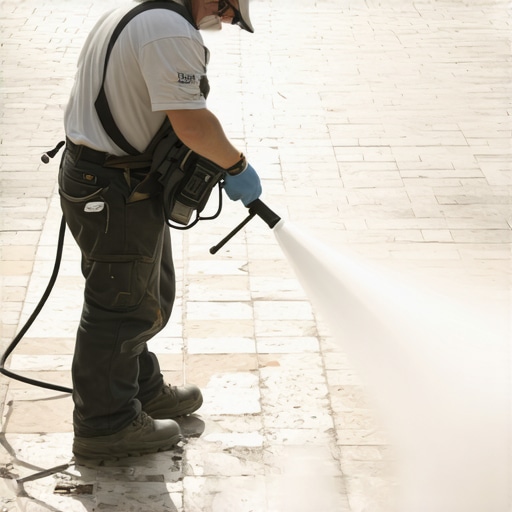
This image shows a professional power washer adjusting the wand to maintain optimal distance and pressure for safe cleaning, illustrating proper technique.
Many homeowners believe that increasing pressure always results in a cleaner surface, but I can tell you from experience, this approach often causes more harm than good. The misconception that higher PSI guarantees better cleaning can lead to surface damage, especially on delicate materials like pavers or siding. Instead, understanding the nuanced relationship between pressure, nozzle choice, and surface type is crucial for effective results. In fact, a recent study highlighted that improper pressure levels contribute to surface etching and joint erosion, which can drastically reduce the lifespan of your surfaces. Besides, many overlook the importance of proper distance and angle when spraying, which can cause streaks or uneven cleaning even at optimal pressure levels. Moreover, there’s a common myth that rental power washers are sufficient for professional results. However, without the right knowledge or equipment calibration, rentals can be unreliable and potentially damaging. That’s why investing in quality, adjustable equipment and learning advanced techniques is essential. Have you ever fallen into this trap? Let me know in the comments.
What Is the Subtle Mistake That Most Power Washers Miss?
The often-overlooked detail is the significance of surface preparation and maintenance of your equipment. Dirty nozzles or unclean hoses can diminish spray effectiveness, leading to uneven results or requiring multiple passes, which increases the risk of surface damage. Regular maintenance of your equipment ensures consistent pressure and flow, preventing issues like pulsing or pressure loss. Additionally, some professionals emphasize the importance of eco-friendly detergents over harsh chemicals, which not only protect your surfaces but also safeguard the environment. Using the right cleaning agents combined with proper technique can dramatically enhance cleaning efficiency and surface longevity. For advanced users, mastering the precise application of detergents and understanding their interaction with different materials can elevate your power washing from a basic task to a professional-level process. Want to refine your skills? Check out some expert tips on power washing techniques tailored for different surfaces.
In conclusion, the real secret to successful power washing isn’t just about brute force but understanding the subtle interplay of technique, equipment, and materials. Avoiding common myths and paying attention to these nuanced details can save you money, time, and prevent costly repairs. Remember, proper equipment maintenance and surface-specific strategies are your best allies. Ready to ditch the misconceptions and elevate your power washing game? Dive into the wealth of expert advice available and start seeing the difference technology and technique can make. Would you like more tips on selecting the right equipment? Feel free to explore the hidden dangers of rental washers and how to avoid them.
Keeping Your Power Washer in Prime Condition
To ensure consistent results and extend the lifespan of your equipment, regular maintenance is essential. I personally inspect my power washer after each session, checking for worn hoses, cracked O-rings, or any leaks. Replacing worn parts promptly prevents pressure drops and potential damage. For example, a faulty pump seal can cause fluctuations like pulsing — a common issue that can be easily remedied through simple maintenance checks. Consistency in upkeep not only improves performance but also saves money over time.
Investing in Quality Equipment
Higher upfront costs for reliable, adjustable pressure washers are justified by their durability and precision. I prefer models with variable PSI settings and corrosion-resistant components, which allow me to tailor pressure to each surface. For heavy-duty jobs, I use a commercial-grade machine like the Simpson MSH3125 MegaShot. Its adjustable spray tips, reliable engine, and made-for-professional use have proven invaluable. Check out top equipment recommendations for 2024 to select tools suited for your projects. Investing in top-tier gear ensures you’re equipped to handle diverse surfaces efficiently and safely.
Staying Ahead: Trends in Power Washing Technology
The industry is leaning towards smart technology—think sensors that monitor pressure and detect leaks. Future models are expected to include digital dashboards, app connectivity, and maintenance alerts, making it easier than ever to keep your tool in optimal condition. Manufacturers like Karcher are already integrating IoT features into some commercial units, paving the way for smarter, more reliable power washing. To prepare, I plan to incorporate these innovations into my toolkit, which could drastically improve long-term outcomes and safety.
How do I Maintain Equipment Over Time
Regularly flushing out water filters, lubricating moving parts, and preventing freeze damage in winter are routine steps I follow. Storage practices, such as draining hoses and protecting units from rust, also contribute significantly to longevity. Additionally, consulting expert tips helps me stay on top of best practices. A proactive approach to maintenance minimizes unexpected downtimes and ensures your power washer performs reliably when needed. Try scheduling quarterly inspections and maintenance sessions, as recommended by industry experts, to keep your tools working flawlessly.
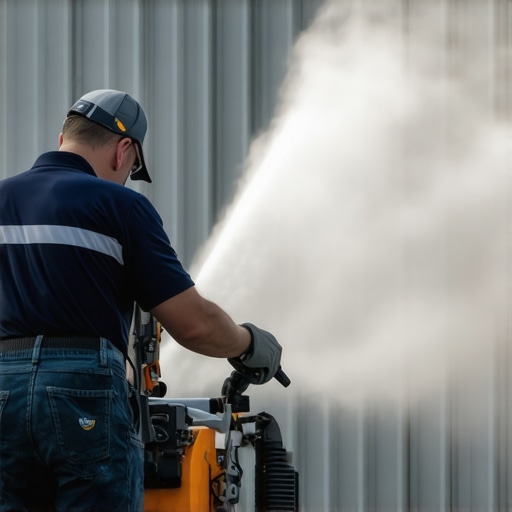
This image illustrates a technician performing routine maintenance on a commercial power washer, emphasizing the importance of upkeep for consistent results.
Maintaining your equipment isn’t just about repairs; it’s about safeguarding your investment and ensuring top results every time you power wash. As technology advances, integrating tools like smart sensors will make maintenance even easier and more predictive, saving you time and frustration. Are you ready to upgrade your maintenance routine with some of these cutting-edge solutions? Starting with a thorough inspection and regular upkeep will set you on the path to long-term success. Want to explore more about high-end maintenance tools? Check out this guide for expert-recommended gear and techniques.
What I Wish I Knew Before First Power Wash
My early attempts left me with uneven surfaces and scratched pavers, teaching me that technique trumps brute force. The biggest lesson was that understanding your equipment and your surface can save time and money, transforming a frustrating task into a satisfying craft.
Tools and Tips That Changed My Approach
Investing in an adjustable pressure washer and learning to select the correct nozzle made a world of difference. Regular maintenance, like cleaning filters and inspecting hoses, kept my equipment performing at its best, ensuring consistent results with less effort. The combination of quality gear and proper techniques turned my DIY projects into professional-looking improvements.
Trust What the Pros Keep to Themselves
One secret I uncovered is surface preparation; a simple step that prevents damage and ensures thorough cleaning. Also, using eco-friendly detergents judiciously enhances results without harming my environment or surfaces. These insights are not widely shared but are game changers once you incorporate them into your routine.
Stay Curious and Keep Practicing
Power washing is as much art as science, and every surface tells a different story. I encourage you to experiment with your equipment, learn from every project, and embrace the learning curve. The right knowledge and attitude will help you master power washing and protect your surfaces for years to come—are you ready to elevate your skills?
Resources That Elevated My Results
For top-tier advice, I rely on detailed guides like this driveway stain fixer which guided me through tricky spots, and I always check for latest gear reviews to ensure I use the best tools for the job. These resources demystify complex techniques and keep me confident on every project.
Your Next Power Washing Victory Awaits
Remember, mastery comes with patience and curiosity. Proper technique, quality equipment, and ongoing learning will help you achieve surfaces that look brand new without damage. Don’t hesitate—step outside with confidence, and watch your property transform. What’s the first surface you’ll power wash differently to see better results?