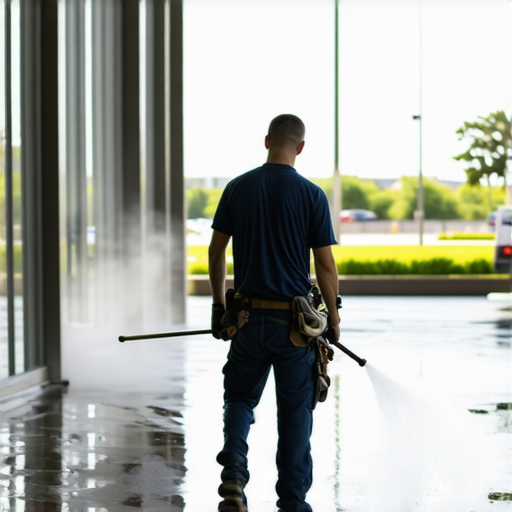
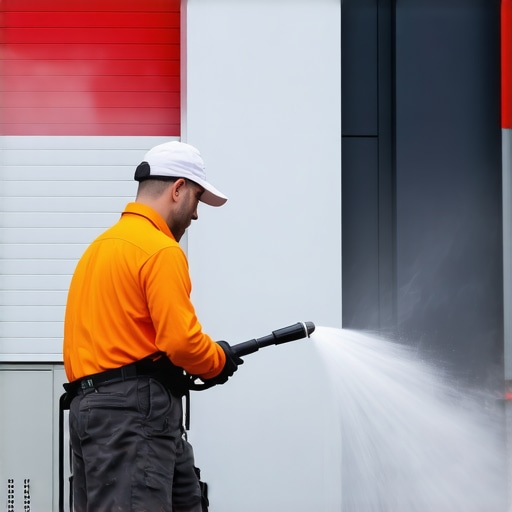
I’ll never forget the first time I tried power washing my driveway. I was eager, watched a few YouTube tutorials, and grabbed my trusty power washer. But after hours of struggling with uneven cleaning, streaks, and stubborn stains, I felt like I’d wasted a whole Saturday. That lightbulb moment hit me hard — just blasting away isn’t enough. You need the right techniques, equipment, and a bit of know-how to truly transform surfaces and get lasting results.
Why Power Washing Can Be a Game-Changer (If Done Right)
Power washing isn’t just about making things look shiny; it’s about maintaining your property, preventing deterioration, and boosting curb appeal. But here’s the truth — many folks dive in without understanding the nuances, and that’s where the frustration begins. I learned this the hard way, making mistakes like using too high pressure on delicate surfaces or neglecting proper cleaning agents. Those early blunders cost me time, money, and a lot of back-and-forth with stubborn grime.
Today, I’ll share the proven strategies I’ve gathered over the years to ensure your power washing efforts are efficient, safe, and truly effective. Whether you’re tackling your home’s siding, driveway, or deck, these expert tips will help you avoid common pitfalls and achieve results that last. If you’ve ever faced uneven results or wondered why your power wash didn’t turn out as expected, keep reading. I’ve been there, and I’ve learned what works.
Is Power Washing Actually Worth the Hype?
Many skeptics ask if all the fuss about power washing is justified. Honestly, I was skeptical at first — I thought it was just a quick fix. But after experiencing the difference firsthand, I understand why professionals swear by it. Properly executed, power washing can extend the life of your surfaces and save you from costly repairs down the line. One thing I wish I knew earlier — rushing without the right equipment or techniques often leads to damage rather than cleanliness. For a deep dive into the core principles, check out this comprehensive guide.
So, have you ever faced the frustration of uneven cleaning or damage after a power wash? If so, don’t worry — you’re not alone. The good news is, with a few expert techniques, your results can improve dramatically.
Now, let’s get into the practical steps that will elevate your power washing game in 2024. From selecting the right equipment to mastering expert strategies, I’ll walk you through everything you need to know to make your next project a success.
Choosing the Right Power Washer
Start with selecting a power washer that matches your cleaning needs. For light jobs like deck cleaning, a machine with 1500-2000 PSI is sufficient, but for stubborn driveway stains, you might need 3000 PSI or more. Remember, higher pressure isn’t always better; it’s about matching the tool to the surface. I once tried using a high-pressure washer on my wood siding, and it caused some splintering. That’s when I realized that understanding the specific PSI and GPM (gallons per minute) for your equipment is crucial — check out this guide to pick the right gear.
Preparing Your Surface and Equipment
Before you start, clear the area of any obstacles and cover nearby plants or delicate items. Think of this step like preparing a canvas before painting — you want a clean, protected surface for the best results. Also, inspect your equipment for leaks or damage, and attach the correct nozzle. The green nozzle (25 degrees) is generally safe for most surfaces, while the red (0 degrees) is riskier and should be used sparingly. I once used a 0-degree nozzle on my concrete driveway and left some gouges — a rookie mistake. Proper prep sets the stage for effective cleaning and prevents damage.
Mastering the Technique for Consistent Results
Hold the wand at a consistent angle, about 45 degrees, and keep a steady distance from the surface—typically 12-18 inches. Move in smooth, overlapping strokes, similar to mowing your lawn, to avoid streaks. I remember one time I tried to rush through my patio cleaning, moving the wand too quickly, which left uneven patches. Slow and deliberate movements are key. Use a sweeping motion to cover the area evenly, and avoid focusing the spray in one spot for too long, which can cause etching or damage. For stubborn stains, pre-treat with a cleaning solution and allow it to dwell for 5-10 minutes before rinsing. For more detailed technique tips, see this article.
Effective Use of Cleaning Solutions
Applying a suitable cleaning agent can drastically improve your results. Use detergents formulated for pressure washing, and always follow the manufacturer’s instructions. Apply the solution using a low-pressure nozzle or a foam cannon, which helps the chemical cling longer to vertical surfaces. I once skipped this step on my fence, and it took twice as long to clean because I needed more scrubbing. After applying the solution, let it sit for a few minutes, but don’t let it dry out. Then, switch to your high-pressure nozzle to rinse thoroughly, working from bottom to top to avoid streaks. For comprehensive guidance, visit this resource.
Finishing Up and Maintaining Your Results
Once the surface is clean, inspect your work, and re-wash any missed spots. Cleaning isn’t just about a quick spray; it’s about precision and care. After finishing, turn off the machine, drain any remaining water, and store your equipment properly to extend its lifespan. Regular maintenance, like checking hoses and replacing nozzles, keeps your power washer performing at its best. Remember, the key to lasting results is consistent technique and proper equipment care. For more expert tips, see this guide.
Many enthusiasts jump into power washing with the misconception that higher pressure automatically equals better cleaning. While it might sound intuitive, this can actually lead to surface damage and subpar results if not managed carefully. In my experience, understanding the nuanced balance between PSI (pounds per square inch) and GPM (gallons per minute) is crucial. This isn’t just a matter of brute force — it’s about matching the right pressure to the surface you’re cleaning, whether it’s delicate siding or stubborn concrete stains. For advanced strategies, I recommend exploring this in-depth guide.
Another common myth is that more water volume always means better cleaning. Actually, an excessive GPM can cause runoff issues or even damage the substrate. The secret lies in optimizing both PSI and GPM to work together harmoniously. Knowing when to pre-treat surfaces with cleaning solutions can also dramatically boost your results, especially on heavily stained or moldy surfaces. Pre-treatment, combined with the right technique, prevents the need for excessive pressure, which is often a rookie mistake that leads to etching or gouging surfaces.
What advanced power washers and techniques can prevent surface damage?
Using the correct nozzle angle is vital — for most surfaces, a 25-degree nozzle provides enough coverage without risking harm. For more delicate surfaces like wood or painted surfaces, switching to a lower pressure setting or even a different cleaning method altogether might be best. I’ve found that paying close attention to the surface’s material and structure helps avoid costly mistakes. Additionally, employing a soft wash approach — applying lower pressure and longer dwell times with cleaning solutions — can achieve deep cleaning without the risk of etching or splintering. Proper technique, combined with the right equipment, is the cornerstone of trustworthy results. For expert advice on choosing and maintaining your equipment, check out this resource.
Finally, let’s address the oops moment many overlook: neglecting to inspect and prepare surfaces thoroughly. Embedded dirt, grease, and biological growth can hinder cleaning efforts and necessitate higher pressure or more aggressive scrubbing. A comprehensive surface prep and understanding material limitations drastically improve long-term results and surface integrity. Remember, power washing isn’t just about blasting away grime — it’s about precision, patience, and technique. Have you ever fallen into this trap? Let me know in the comments.
Keeping your power washing equipment in top shape is crucial for consistent, professional results. Regular maintenance not only extends the lifespan of your tools but also ensures safety and efficiency during each project. One of the best ways to start is by inspecting your power washer before every use. Check hoses for leaks, ensure nozzles are clean, and that the inlet filter is free of debris. These small steps prevent costly repairs and downtime. For long-term reliability, many professionals recommend using a high-quality pump protector and lubricant, which helps prevent corrosion and keeps internal parts moving smoothly. You can find trusted options in this comprehensive guide.
Investing in the right tools can significantly boost your cleaning performance. I personally swear by a variable pressure control wand, which allows me to switch seamlessly between delicate surfaces and stubborn stains. This flexibility reduces the risk of damage and saves time switching nozzles. Additionally, a foam cannon is invaluable for pre-treating surfaces with cleaning solutions, especially on heavily stained areas. It creates a thick layer of detergent that clings to vertical surfaces, making cleaning more effective and reducing the need for excessive pressure. For my setup, I rely on a durable hose reel to prevent kinks and tangles, which can cause pressure drops and wear. Regularly replacing worn nozzles with high-quality ceramic tips also ensures consistent spray angles and prevents uneven cleaning.
Looking ahead, the trend in power washing technology is moving toward smarter, more automated equipment. Innovations like pressure washers with built-in sensors to monitor performance or remote control capabilities are becoming more accessible. These advancements help maintain optimal pressure and flow, minimizing surface damage and improving results. As techniques evolve, integrating smart tools into your arsenal will become increasingly beneficial. To stay ahead, I recommend exploring this resource for the latest equipment innovations and maintenance strategies.
How do I maintain my power washing tools over time?
Proper maintenance is key to keeping your power washing tools functioning at their best. Regularly flushing your system after each use removes dirt and chemical residues that can cause corrosion. Applying a pump protector before storing your equipment for extended periods prevents internal rust and extends its lifespan. Additionally, periodically inspecting and replacing worn nozzles and hoses prevents pressure inconsistencies and potential damage. Using manufacturer-recommended lubricants on moving parts ensures smooth operation and reduces wear. Finally, cleaning filters and checking for leaks can save you from unexpected breakdowns. Consistent maintenance not only saves money but also guarantees your equipment performs reliably whenever you need it. For detailed maintenance routines, see this guide. Try adopting a monthly maintenance schedule to ensure your tools stay in peak condition and your results remain effortless and professional.
The Hardest Lesson I Learned About Power Washing
One of my biggest surprises was realizing that high pressure isn’t always the answer. Using too much force on delicate surfaces like wood or painted siding can cause irreversible damage, turning a cleaning project into a costly repair. It took me several ruined panels before I understood the importance of matching pressure to the surface—something I now see as a fundamental rule for trustworthy power washing.
How I Stumbled with Equipment Choices and What I Wish I Knew
Initially, I bought a cheap, high-PSI machine, thinking it would do all the work. The reality? I spent more time fixing damage than cleaning. Now, I prioritize equipment with adjustable pressure and GPM, and I always choose tools that suit the specific task. For a comprehensive look at selecting gear, check out this guide.
Pre-Treating Surfaces Is a Game Changer
Pre-treatments with appropriate cleaning solutions can cut your cleaning time in half. I used to blast everything without prep, but learned that applying detergent first and letting it work for a few minutes makes stubborn stains easier to remove and reduces the need for aggressive pressure. Using tools like foam cannons can make this process much more effective. Discover more about pre-treatment strategies here.
Mastering Technique to Avoid Common Pitfalls
Consistent, overlapping strokes and maintaining the right distance from the surface are secrets I wish I knew earlier. Moving too fast or holding the wand at the wrong angle leads to streaks or uneven cleaning. Spending a little extra time on each section results in a much cleaner, more professional finish. For detailed technique tips, see this article.
Maintaining Equipment for Perfect Results Every Time
Regular maintenance has been a game-changer. Flushing the system after each use, inspecting nozzles, and applying pump protectors extend the lifespan of my tools and ensure consistent performance. Replacing worn nozzles with high-quality ceramic tips and keeping hoses in good condition are small steps that pay off in the long run. For my favorite maintenance routines, visit this resource.
Lessons Learned that Changed My Power Washing Approach
- Match PSI to surface: Too high pressure can cause damage, especially on soft or painted surfaces.
- Pre-treat for stubborn stains: Chemical solutions make cleaning more efficient and protect your surfaces.
- Use the right nozzle: A 25-degree nozzle offers a safe, effective spray for most jobs.
- Invest in quality equipment: Adjustable pressure washers and good nozzles save time and prevent mistakes.
Where to Go from Here
If you want your power washing to be reliable and safe, focus on technique, proper equipment, and regular maintenance. Trust me, mastering these aspects makes all the difference. Want to elevate your power washing game? Explore this cornerstone guide for in-depth strategies and expert tips.
Take Action Now
Are you ready to implement these insider secrets and transform your power washing results in 2024? Let me know what step you’re most excited to try in the comments below!
Reading this post really resonated with my own experience when I first started power washing. I remember rushing through the process and ending up with uneven patches and even some damage to my siding. Since then, I’ve learned that patience and proper technique, like maintaining the right distance and overlapping strokes, make all the difference in achieving professional results. Pre-treating stubborn stains with the right solutions has helped me save time and reduce the risk of damage. One challenge I still face is choosing the correct nozzle for delicate surfaces; sometimes I worry I might be using the wrong setting. How do you all decide which nozzle to use for those more sensitive areas? I’d love to hear some tips or guidelines for selecting equipment for specific surfaces.
This post really hits home for me. When I first started power washing, I used too much pressure on my wooden fence, and I definitely saw some splintering afterward! It’s a quick lesson that more pressure isn’t always better, especially on delicate surfaces. Now, I always start with the lowest pressure setting and use a 25-degree nozzle for most jobs. Pre-treating heavily stained surfaces with cleaning solutions beforehand has also saved me loads of time. One thing I’d add is that paying attention to the condition of your equipment, like nozzles and hoses, can make a big difference in your results. I’m curious, how do others decide when it’s best to switch nozzle angles during a project? Are there specific signs to watch for to prevent surface damage or streaks? Looking forward to more tips from this community on perfecting the technique ultimately helps us get more professional, lasting results.
This post really underscores the importance of technique and proper equipment in power washing. I remember once using too high a pressure on my wooden deck, and it caused some minor splintering, which was disappointing. Since then, I’ve started pre-treating stains with a biodegradable cleaner and switching to softer nozzles for more delicate surfaces to prevent damages. I agree that starting with the lower PSI and observing your surface response is crucial. One thing I’ve found helpful is to do a small test patch before tackling the entire area, especially on wood or painted surfaces. It helps gauge the right pressure and nozzle angle. How do others decide when to move from a 25-degree to a more concentrated spray, especially on stubborn stains? Are there telltale signs that indicate it’s time to switch equipment or technique to avoid damaging surfaces? I’d love to hear your tips on balancing thorough cleaning with surface safety.
This post really hit home for me, especially about the importance of technique and proper equipment. I remember my early days, rushing through my first few projects and ending up with streaks and some surface damage. What helped me improve was really paying attention to the nozzle angle and pressure settings for each surface. Pre-treating tough stains with suitable cleaning solutions also made a huge difference, saving time and effort. Sometimes I wonder, how do others decide the right pressure when switching from tackling stubborn stains to more delicate areas? Is there a common rule of thumb, or do you rely on visual cues? I think it’s also worth mentioning that regular equipment checks—like inspecting nozzles and hoses—are critical for maintaining optimal performance and avoiding unexpected issues during a project. With all these small adjustments, I now find cleaning to be much more efficient and safe. Would love to hear about personal experiences or specific techniques you’ve found effective in balancing power and care for different surfaces.