![4 Reasons Your Power Washer Is Pulsing [2026 Maintenance Fixes]](https://pressurewashpross.com/wp-content/uploads/2026/02/4-Reasons-Your-Power-Washer-Is-Pulsing-2026-Maintenance-Fixes.jpeg)
I’ll never forget the first time I fired up my power washer for a big cleaning project, only to be greeted by an unexpected pulsing sound. Instead of that steady stream I was dreaming of, I got a repetitive sputtering that left me frustrated and worried. It was like the machine was struggling to keep up, and I wondered if I’d just thrown money down the drain. That lightbulb moment made me realize—these aren’t just minor hiccups. They can signal real issues that, if ignored, might ruin your equipment or sabotage your cleaning results.
Addressing the Pulse Problem: Your First Step to Success
Today, I want to share how I learned to troubleshoot and fix the pulsing in my power washer. Trust me, this isn’t just about fixing a machine—it’s about regaining confidence in your equipment and achieving those pristine surfaces you crave. From my experience, the key lies in understanding the common causes behind pulsing and applying straightforward maintenance fixes that can save you time, money, and plenty of frustration. Ready to get your pressure washer running smoothly again? Let’s dive into the root causes and practical solutions that worked wonders in my own toolkit.
Is Power Washing Technology Really That Complex?
Early on, I made the mistake of assuming that pulsing was just a normal quirk or something I couldn’t fix myself. But after some research and trial-and-error, I found that often, simple maintenance tasks can eliminate the problem altogether. It’s essential to avoid common pitfalls, like neglecting regular pump checks or using incompatible nozzles, which can exacerbate pulsing issues. Want to learn more about the most effective equipment and techniques? Check out our recommendations for top equipment and tools for power washing in 2024 to ensure your setup is up to par.
So, how do we solve this? That’s exactly what I’ll share with you next—step-by-step fixes that I’ve personally tested and found effective. Whether you’re a DIY enthusiast or just starting out, these tips will help you eliminate pulsing and get back to enjoying a flawless clean every time. Let’s get to the heart of the matter and get your pressure washer performing at its best!
Inspect and Clean the Water Intake
Start by ensuring your water supply isn’t restricted. I once ignored a simple kink in the garden hose, which caused the pressure to fluctuate and pulsate. Straighten the hose and remove any debris from the filter; this guarantees a steady water flow, much like clearing a clogged artery improves blood flow. If the water intake is compromised, your power washer struggles to maintain pressure, leading to pulsing issues. For detailed water intake maintenance tips, check out this guide.
Check and Replace the Unloader Valve
The unloader valve regulates the pressure returning to the pump. A common cause of pulsing is a worn or stuck unloader. I once replaced mine after noticing inconsistent spraying; the new valve immediately stabilized the pressure, like switching from a leaky faucet to a steady stream. To replace it, disconnect the fittings following your model’s manual, and install a compatible new valve—this is a straightforward upgrade that can be done in under an hour. For comprehensive unloader maintenance, visit this resource.
Adjust the Nozzle and Spray Pattern
Incorrect nozzle selection can cause pulsing, especially if the nozzle’s spray angle isn’t appropriate for your surface or task. I made the mistake of using a narrow 0-degree nozzle on siding, which caused pressure surges. Switching to a 25-degree nozzle diffuses the pressure evenly, making the spray more consistent—like using a spray bottle instead of a jet stream. Always verify nozzle compatibility and clean nozzles regularly to prevent clogging that disrupts pressure. Discover more on choosing the right tips at this article.
Test the Pump and Replace if Necessary
If after cleaning and adjusting the above parts, pulsing persists, your pump might be wearing out. I noticed decreased pressure and inconsistent flow after several seasons, and replacing the pump restored stability. Pumps are the heart of your system; a worn pump can’t maintain steady pressure. To determine if your pump needs replacement, check for leaks, unusual noises, or decreased PSI readings (using a pressure gauge—see this guide). When replacing, opt for a unit compatible with your pressure washer to ensure seamless performance, like choosing the right gear for a race.
Use Proper Maintenance to Prevent Future Pulsing
Regularly lubricate moving parts, inspect hoses and fittings, and run water through the system to flush out debris. I set a monthly maintenance schedule, which kept my equipment running smooth, much like regular oil changes keep a car purring. Preventative steps extend your power washer’s lifespan and minimize pulsing issues, saving you time and money. For a detailed maintenance checklist, refer to this resource.
When it comes to power washing, many enthusiasts and even seasoned DIYers tend to simplify the process or cling to common myths that can hinder their results. While most understand the importance of choosing the right nozzle or maintaining water flow, there’s a layer of nuance that often goes unnoticed—especially among beginners. Let’s explore the sophisticated details that can make or break your cleaning sessions and why trusting surface-level advice might leave you frustrated.
Is the Focus on PSI Over Efficiency Actually a Mistake for Advanced Cleaners?
Many believe that higher pressure, measured in PSI, directly equates to better cleaning—yet, this is a trap. Modern studies, including insights from cleaning experts, emphasize that *pressure alone isn’t the hero*; rather, the *combination of PSI, flow rate, and nozzle design* determines effectiveness. Relying solely on PSI can lead to damage, especially on delicate surfaces, or merely inefficient cleaning on tougher grime. In fact, optimizing equipment with the right combination—such as selecting the best power washer tools——and techniques will save you time and money.
Another common misconception is the overemphasis on brute force, which causes damage rather than thorough cleaning. Instead, advanced users focus on a strategic approach, leveraging proper nozzles and techniques to maximize jet impact without harming surfaces. For instance, adjusting spray angles and distance from surfaces enhances cleaning power while minimizing risks, a concept that often escapes novices. Want to learn how to fine-tune your setup? Check out these expert techniques for superior results.
Moreover, understanding the limitations and proper maintenance of your equipment can prevent those silent causes of pulsing or pressure drops that degrade performance over time. Regularly inspecting and upgrading components, such as unloader valves and pumps, is crucial—this is where many amateurs overlook subtle signs of wear, leading to costly repairs or subpar cleaning. For advanced maintenance tips, explore this comprehensive resource.
Remember, mastering power washing isn’t just about raw power; it’s about leveraging finesse, understanding equipment nuances, and applying proven strategies—much like an expert chef balances flavors rather than just adding salt. Do you ever fall into the trap of overestimating PSI or neglecting equipment maintenance? Share your experiences or questions in the comments—let’s elevate our power washing game together! 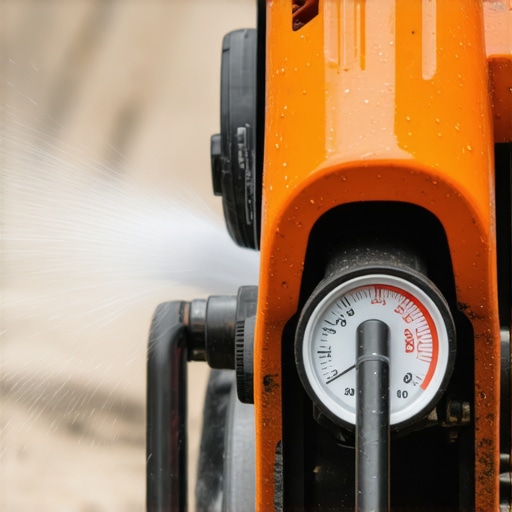
Prioritize Regular Maintenance for Longevity
Keeping your power washer in top shape requires consistent upkeep. I personally schedule monthly inspections, focusing on seals, hoses, and filters, to prevent minor issues from turning into costly repairs. Regularly lubricate moving parts and flush the system with clean water after each use to remove debris and prevent corrosion. This routine maintenance minimizes downtime and extends the lifespan of your equipment, ensuring reliable performance when you need it most.
How do I maintain my power washer over time?
The key to long-term reliability lies in understanding the unique needs of your model. Always follow the manufacturer’s guidelines for oil changes, replacing worn-out nozzles, and checking pressure relief valves. Investing in a quality pressure gauge can help you monitor PSI levels, allowing early detection of issues before they escalate. Productivity tools like top equipment and tools for power washing in 2024 can make routine maintenance more effective, saving you from unexpected breakdowns.
Tools I Trust for Consistent Results
When it comes to equipment, I rely heavily on high-quality nozzles and unloader valves. For nozzles, I prefer the adjustable adjustable spray tips because they allow precision flow control, reducing surface damage and pulsing. My go-to unloader valve is a reinforced model compatible with my specific power washer, which I replaced after noticing pressure inconsistencies. Replacing the unloader was straightforward and immediately stabilized my pressure, much like switching out a worn-out clutch in a car for smoother operation. For achieving optimal results, I recommend investing in a durable pressure washer and accessories designed for durability and efficiency. These tools not only enhance your cleaning but also reduce the frequency of repairs, ensuring less downtime and more results.
Scaling Up for Bigger Projects
If you’re considering scaling your power washing efforts, expanding your equipment arsenal with high-flow pumps and larger capacity tanks can drastically improve productivity. I suggest upgrading to a commercial-grade setup if your workload exceeds residential cleaning; this investment pays off by reducing cycle times and fatigue. Additionally, automation tools such as remote sensors for pressure monitoring can alert you to issues before they affect your workflow, creating a proactive maintenance environment. The future of power washing is heading toward smarter, connected equipment, which can anticipate wear and simplify maintenance routines—making longevity and efficiency easier than ever.
Stay Ahead by Using Proven Strategies
Adopting proven cleaning techniques combined with the right tools ensures long-term success. Regularly inspect and replace worn components, and don’t overlook the importance of proper chemical use alongside pressure washing. Remember, routine checks and timely upgrades are your best defense against unexpected failures. To master these practices, explore in-depth strategies available at this comprehensive guide. Implementing these tips will help you maintain a reliable, efficient system that delivers stellar results season after season.
Don’t forget, staying updated with the latest equipment and maintenance techniques can dramatically improve your outcomes. For example, upgrading to a variable pressure system—discussed extensively by industry experts—can allow fine-tuning for delicate surfaces, preventing damage and pulsing. With advancements in power washing tech trending toward smarter, more connected tools, investing now can position you ahead of the curve. So, try adjusting your unloader valve to optimize pressure—this small tweak often yields immediate, impressive improvements in consistency and performance. Ready to elevate your power washing game? Dive into detailed strategies at this resource and start implementing these expert-approved maintenance routines today.
What I Wish I Knew About the Hidden Culprits of Pulsing
One of the most eye-opening lessons I learned was that pulsing isn’t always a sign of a failing pump—it can be a symptom of overlooked issues like debris-clogged filters or minor hose kinks. Discovering these small, often unnoticed problems taught me to pause and inspect thoroughly before jumping to costly replacements. Now, I check my water intake and fittings meticulously, knowing that such simple steps can save time and money.
Another insight was understanding that nozzle choice isn’t just about spray pattern but about pressure consistency. I used to believe that higher PSI always meant better cleaning, but I realized that selecting the right nozzle and maintaining proper distance can make or break the result. This nuanced approach changed my entire cleaning strategy, emphasizing technique over brute force.
Lastly, I learned that regular maintenance isn’t a chore but an investment. Scheduling routine inspections and replacing worn parts beforehand kept my equipment running smoothly and prevented pulsing issues. It’s like tuning a musical instrument; a little effort goes a long way in achieving harmony and efficiency in your power washing efforts.
My Toolbox for Pressure Washing Success
Over the years, I’ve come to depend on a handful of tools that boost my results and durability. The first is a high-quality variable pressure gun, which allows me to fine-tune the pressure for delicate surfaces without damage—an invaluable feature I can’t do without. I also trust a durable unloader valve, which ensures steady pressure and quick adjustments, making my workflow seamless. For nozzle selection, I always go for a set of adjustable spray tips, giving flexibility and precision for different surfaces. Lastly, a reliable water pressure gauge helps me monitor PSI in real-time, so I can prevent pressure drops or surges proactively.
If you’re serious about elevating your power washing game, investing in these essentials is worth every penny. They’re the backbone of consistent, safe, and effective cleaning, and I recommend checking out top equipment and tools for power washing in 2024 to find trusted options that fit your needs.
Seize the Power Wash Challenge
The future of power washing is bright and full of potential for those willing to learn and adapt. Don’t let common mistakes hold you back—embrace regular maintenance, choose the right tools, and fine-tune your equipment for optimal results. Whether you’re tackling a small deck or a commercial project, mastery begins with that first step. Remember, every surface deserves a clean that’s both thorough and gentle, and your skill development is the key to consistent success.
Are you ready to put these lessons into practice and elevate your power washing results? Share your experiences or ask questions below—let’s grow stronger and smarter together!
,
Reading this post really resonated with me because I initially thought pulsing was a minor issue, only to realize it was often due to simple overlooked causes like water supply problems or nozzle mismatches. It’s fascinating how something as straightforward as a kinked garden hose or choosing the wrong nozzle angle can cause significant pressure fluctuations. I remember one time, after replacing a worn-out pump without fixing a less obvious water intake kink, the problem persisted. It was only after inspecting the hose and filter that everything stabilized. This taught me to always do a complete system check before investing in parts.
One thing I often wonder about is the impact of using deionized or contaminated water on the pump and unloader valves. Has anyone experienced additional pulsing or wear from using different water sources? It would be helpful to hear how others maintain their equipment when working in areas with questionable water quality.
This post really hits home about the importance of systematic troubleshooting. I had a similar experience where my pressure washer kept pulsing, and initially, I thought it was just a pump issue. But after going through the water intake and then inspecting the unloader valve, I found that a simple hose kink was the culprit. It made me realize how small issues in the water supply or hose connections can cause significant pressure fluctuations.
I’ve also noticed that using hard or contaminated water can sometimes accelerate wear on the unloader valve or pump seals, leading to pressure inconsistencies over time. I always flush the system thoroughly and add a water softener when working in hard-water areas to mitigate this. For those facing persistent pulsing, do you find that water quality affects the longevity of these components? Would love to hear others’ experiences or tips on maintaining equipment in challenging water conditions.
This post really hits home about the importance of thorough troubleshooting and routine maintenance when dealing with pulsing issues in power washers. I’ve found that inspecting the water intake and ensuring it’s free of kinks or debris can make a huge difference in pressure stability, which is something I learned the hard way. Sometimes, I think people overlook simple fixes, like verifying the nozzle compatibility or cleaning filters regularly, which can prevent a lot of headaches. I’m curious—has anyone had experiences with using different types of water, such as hard or contaminated water, and noticed effects on the unloader or pump longevity? In my case, I’ve started including a water softener in hard-water areas to reduce wear, and it seems to help. I would love to hear how others manage water quality issues to keep their equipment running smoothly longer. Any insights or tips you can share?
This is a really comprehensive guide to troubleshooting power washer pulsing. I particularly appreciate the emphasis on simple maintenance like checking water intake and inspecting the unloader valve, which are often overlooked. In my experience, even minor hose kinks or debris in filters can cause significant pressure fluctuations, so it’s good to see these pointed out. I’ve also noticed that using contaminated or hard water over time seems to wear out the unloader valve faster, leading to more pulsing issues. Regularly flushing the system and sometimes adding a water softener has helped extend the life of my components considerably.
I’m curious, has anyone tried upgrading to a more sophisticated unloader valve with built-in pressure regulation? Do these make a noticeable difference in preventing pulsing? Or do you find that simple replacements suffice? It’s fascinating how small tweaks and routine checks can drastically improve performance and prolong equipment lifespan.