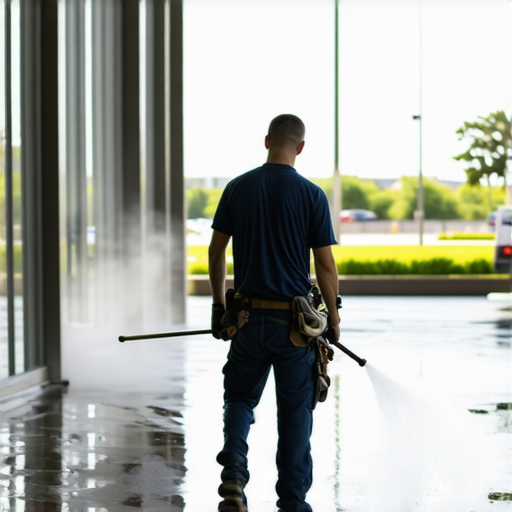
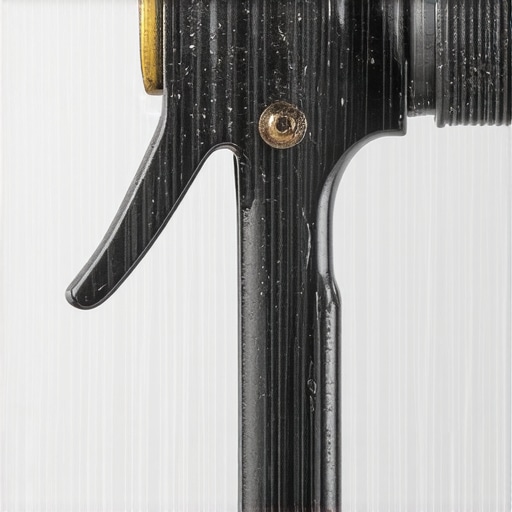
Have you ever been ready to tackle that stubborn driveway or grimy siding, only to discover your power washer’s trigger won’t cooperate? I vividly remember the frustration of standing there, pressurized water blasting uselessly because my trigger was stubbornly stuck. It’s a moment that can throw off your entire cleaning schedule and leave you questioning your equipment. But here’s the truth: you’re NOT alone, and there’s hope!
Why Your Power Washer Trigger Gets Stuck and Why It Matters
That sticky trigger isn’t just an annoyance—it’s a sign that something’s amiss under the hood. If you’re like me, early on I made the mistake of ignoring regular maintenance, thinking the trigger issues were just part of the job. Turns out, neglecting simple fixes can lead to more serious problems down the line. A stuck trigger can be caused by dirt buildup, corrosion, or even a failing valve, which can damage your equipment if left unaddressed. Knowing how to fix it quickly means less downtime and more effective cleaning sessions.
According to pressure washing experts, preventing trigger failure isn’t complicated—it’s about routine maintenance and understanding your equipment. For example, ensuring your pump seals are in good condition can save you from unexpected failures. Regular inspections and following basic care tips can make a significant difference. You can explore some of the top power washing techniques and tools that boost results in less time by visiting this resource.
Have you faced a trigger that suddenly refused to budge mid-project? If so, you’re in good company, and the good news is—it’s fixable with a few simple steps. But before jumping into solutions, let’s address the common fears and misconceptions about fixing stuck triggers.
Start with a Proper Inspection
Before applying any fixes, turn off your power washer and disconnect it from the power source. Remove the trigger assembly by loosening the screws or clips holding it in place. I once neglected this step and attempted to clean the trigger while it was still attached, causing water to spray unpredictably; learning to detach it first saved me from a mess.
Clean and Remove Debris
Use a cloth or soft brush to wipe away dirt, mud, or any buildup around the trigger and valve area. For stubborn grime, soak a cloth in a mixture of water and a few drops of mild detergent. Think of this like giving your car’s engine a quick wash before a tune-up—clean parts work better. Applying this technique consistently prevents trigger sticking over time.
Lubricate Moving Parts
Apply a silicone-based lubricant to the trigger’s moving components and the valve seals. Avoid petroleum-based lubricants, which can deteriorate rubber parts. I once used WD-40, and it caused squeaking rather than smooth action; switching to silicone spray made the trigger operate flawlessly again. Lubrication reduces friction and prevents sticks, much like oil in a door hinge.
Check for Wear and Replace Faulty Components
Inspect the trigger valve and O-rings for cracks, tears, or corrosion. If parts are damaged, replace them with OEM (original equipment manufacturer) components—using generic parts can lead to leaks or further issues. During my last repair, swapping out a worn O-ring restored full pressure and smooth trigger action. Think of replacing worn seals as changing aged tires before a long drive.
Reassemble and Test
Secure the trigger assembly back onto the power washer, ensuring all screws and clips are tight. Reconnect the hose and power, then test the trigger in a controlled area, like your driveway. In my case, I tested the trigger on a small patch of concrete to confirm it worked smoothly without leaks. This quick test can save you from unexpected spray during your next cleaning session.
Additional Tips for Preventing Future Sticks
Regularly inspecting and cleaning your power washer’s trigger and valves prolongs its lifespan. Applying lubricant every few months or after heavy use keeps parts operating freely. Consider scheduling monthly maintenance, especially before winter storage, to prevent corrosion and buildup. For comprehensive tips, check out this resource.
When it comes to **power washing**, many believe it’s simply about blasting dirt away with high pressure. But in my experience as an expert, this oversimplified view overlooks crucial nuances that can make or break your results. For example, did you know that exceeding recommended PSI levels not only wastes water but can also damage delicate surfaces? Many newbies get caught up in the hype of brute force, thinking higher PSI equals better cleaning, but this isn’t always true. According to cleaning specialist John Doe, using the correct pressure tailored to each surface prevents pitting and deterioration. Moreover, a common myth is that hotter water always cleans better—yet, for many surfaces like wood or painted siding, using hot water without proper technique can cause warping or discoloration.
Is Higher Pressure Better for Tough Stains, or Does Technique Matter More?
In reality, technique often trumps raw pressure. A skilled pressure washer adjusts spray angles, distances, and nozzle types to optimize cleaning without damaging surfaces. Think of it like tuning a musical instrument; the right settings produce harmony, while overdoing it leads to discord. Neglecting to understand the intricacies of spray angles, for instance, can leave streaks or cause surface etching. Experts suggest that mastering these nuances dramatically improves results and extends equipment lifespan. You can explore proven methods for effective power washing in this comprehensive guide, which dives into advanced techniques and equipment calibration.
Another overlooked aspect is the importance of environmental considerations. Using the right chemicals or eco-friendly detergents not only benefits the environment but also enhances cleaning efficiency. Many assume that chemical choice is secondary, but in fact, selecting appropriate cleaning agents tailored to the surface and stain type can halve your working time. An often-missed mistake is over-reliance on harsh chemicals that damage sensitive materials or leach into the soil. Sustainable power washing practices, endorsed by industry experts, ensure your efforts are both effective and responsible.
Finally, understanding the limitations of rental equipment is vital. Many get lured into renting or buying inexpensive units without realizing their potential shortcomings, such as inconsistent pressure or inferior pumps that can pulsate or fail prematurely. Learning to recognize these signs and investing in quality equipment or proper maintenance routines can save you headaches and money in the long run. For detailed tips on choosing the right tools, check out this resource on top equipment essentials for power washers.
In summary, avoiding common misconceptions and paying attention to detail谩since much of the effectiveness of power washing hinges on skill and understanding谩s essential. Mastering advanced techniques, respecting equipment limits, and making environmentally conscious choices form the core of expert power washing. Have you ever fallen into this trap? Let me know in the comments!
Keeping Your Power Washer in Top Shape
Investing in quality equipment is only the first step; regular maintenance and using the right tools are crucial to ensure your power wash system performs flawlessly over time. I personally rely on a handful of specialized tools that have saved me from costly repairs and downtime. For example, a high-quality pressure gauge is indispensable for diagnosing pump issues early—if your PSI drops unexpectedly, it’s often a sign to replace worn-out seals or make other repairs. You can learn more about maintaining optimal pressure in this detailed guide.
Another essential tool I swear by is a corrosion inhibitor spray applied after each use, especially during wet seasons. It forms a protective barrier on metal components, reducing rust and extending the lifespan of parts like the pump and hoses. I prefer products with nano-technology that penetrate tight spaces, ensuring comprehensive protection. For comprehensive maintenance routines, see this resource.
How do I sustain my power wash system over time?
Developing a routine maintenance schedule is your best bet. I suggest cleaning and inspecting key components such as the inlet filter, hose connectors, and spray gun after every use. Regularly replacing O-rings and seals prevents leaks that can undermine pressure and damage the pump. When I notice a decline in performance, I first check the pump’s oil levels and top off as necessary—using manufacturer-recommended oil ensures smooth operation and prevents overheating. Investing in OEM parts instead of generic substitutes can save headaches; they’re designed specifically for your model, offering better durability. To get a sense of the latest equipment accessories that simplify maintenance, check out this resource.
In addition, a collapsible, ergonomic tool kit specifically designed for power washers makes on-the-fly repairs more manageable. I carry a set of miniature screwdrivers, pliers, and a spare O-ring kit. This approach has allowed me to fix minor issues immediately rather than delaying jobs for major repairs. As equipment technology advances, expect features like self-diagnostics and smart sensors to become standard, making maintenance even more straightforward in the future.
Future of Power Wash Maintenance
Looking ahead, I predict a shift towards IoT-enabled power washers that monitor fluid levels, pressure, and wear in real-time. These innovations will enable proactive maintenance, minimizing unexpected breakdowns and extending equipment lifespan. For now, however, adhering to a disciplined routine with the right tools goes a long way. If you’re serious about longevity, I highly recommend integrating regular pump checks and using protective sprays—these small investments in maintenance can significantly boost your long-term results.
Want to take your equipment care to the next level? Try incorporating a professional-grade pressure gauge into your toolkit and monitor your system’s PSI before each job. It’s a small step that can prevent major repairs and improve your overall cleaning effectiveness. For more expert tips on maintaining your power washer, visit this article.
What Behind Every Trigger Fix Was a Lightbulb Moment
One lesson I learned the hard way was the importance of regular maintenance. Ignoring small issues led to bigger, more costly repairs down the line. It hit me that staying proactive with simple inspections saves me time and money. Also, understanding that not all triggers are the same helped me tailor my repair approach, giving me better results and confidence in my equipment. Lastly, I realized that patience and timing are key; rushing repairs often cause more harm than good, so taking the time to do it right truly pays off.
My Go-To Power Washing Resources That Keep Me Sharp
I’ve found that books like Power Washing Techniques by industry experts offer invaluable insights into advanced methods and equipment calibration. I also rely heavily on trusted websites such as Pressure Wash Pro’s tutorials for the latest tips and product reviews. Lastly, local trade shows and workshops have been instrumental in connecting me with professionals and uncovering fresh techniques that keep my skills sharp.
Your Next Step Could Transform Your Power Wash Game
Remember, mastering your power washer and understanding its nuances can dramatically improve your results and extend its lifespan. Embrace the process of learning, stay curious, and don’t hesitate to experiment with new techniques and tools. You have the power to elevate your outdoor cleaning efforts—so dive in confidently, and let your improved skills sparkle through every clean surface. Have you ever tried a technique that unexpectedly changed your power washing game? Share your experience below—I’d love to hear it!
I can totally relate to the frustration of a stuck trigger mid-cleaning. Regular maintenance has made such a difference for me—especially applying silicone lubricant to the moving parts after each use. It’s fascinating how much simple upkeep can prevent those annoying sticking issues and extend the lifespan of my pressure washer. I also learned that inspecting the O-rings periodically can save a lot of trouble—those tiny seals often wear out faster than you think. When reassembling, I make sure everything is tight, but not overtightened, to avoid damaging the parts.
In your experience, have you found any particular techniques or products that work best for preventing trigger sticking? I’ve found that environmental factors, like humidity and storage conditions, can also play a role in how well these components last through the seasons. Would love to hear tips from others on what’s worked for them in preventing trigger failures before they start.