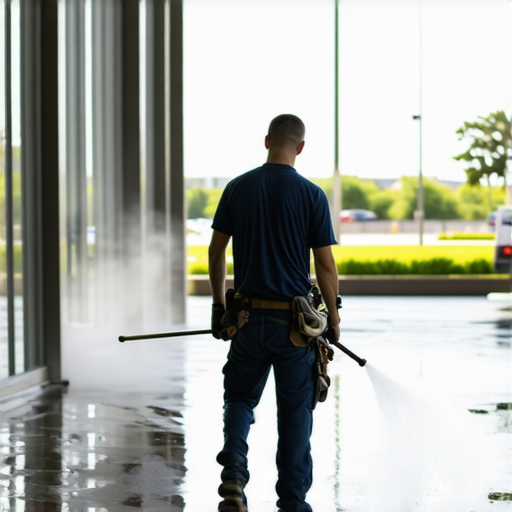
![Pressure Drop? 5 Fast Pump Fixes for Your Power Washer [2026]](https://pressurewashpross.com/wp-content/uploads/2026/02/Pressure-Drop-5-Fast-Pump-Fixes-for-Your-Power-Washer-2026.jpeg)
I remember the moment vividly: I was in the middle of tackling a stubborn driveway stain when my power washer suddenly lost its pressure. The water trickled out in a sad, weak stream, and that satisfying blast I relied on was gone. Frustration bubbled up — I had one job, and my trusty machine was letting me down. Sound familiar?
If you’ve ever experienced a dramatic pressure drop mid-clean, you know how disheartening it can be. Power washing is supposed to make dirt and grime disappear with ease, but a sudden pump failure can turn that job into a headache. The worst part? Often, this issue isn’t a sign that your entire machine is done for. Sometimes, it’s just a matter of a quick fix.
Today, I want to share how I turned things around with just a few simple repairs, saving me from splurging on a new pressure washer. Whether you’re battling low pressure during your latest project or worried about breakdowns ruining your weekend plans, these tips can help you get your pump back in action swiftly.
Before we jump in, let me tell you—many issues with pump pressure are surprisingly easy to diagnose if you know what to look for. According to experts at Pressure Washers Direct, regular maintenance and understanding your equipment are key to avoiding costly repairs down the line[^1]. I learned this the hard way early on, when I ignored some basic upkeep, only to face inconsistent performance.
Now, imagine what you could accomplish with a fully operational pressure washer without endless waiting or costly repairs. Ready to troubleshoot? Let’s dive into five fast fixes that can restore your pump’s power and kick-start your cleaning sessions again.
Check the Pump Intake Filter
Start by inspecting the pump’s intake filter for debris or blockages, which can restrict water flow. I once overlooked this step and found my pressure surprisingly low until I cleaned out a load of dirt clogs. Remove the filter, rinse it with water, and reinstall it, ensuring nothing impedes water flow.
Inspect and Replace Worn Seals and O-Rings
Seals and O-rings inside the pump prevent leaks and maintain pressure. I once had a leaking pump that lost pressure rapidly; replacing the worn seals made my washer perform like new. Carefully disassemble the pump, identify damaged components, and swap them out following manufacturer instructions. For detailed guidance, visit this guide.
Flush the System with Fresh Water
Clogged or stale water can cause pressure drops. Disconnect hoses and run clean water through the system to clear out residual debris. I did this after a stubborn clog caused weak output, and it immediately improved my pressure. Use a garden hose to rinse through the inlet and outlet, ensuring a clear flow path.
Test and Service the Pump
If pressure remains low, test the pump’s pressure output with a pressure gauge. A weak pump may need servicing or internal component replacement. For thorough pump maintenance, consider referring to expert advice. Regularly lubricate moving parts and check for corrosion to prolong pump life.
Monitor for Air Leaks
Air entering the system can cause pulsating or low pressure. Listen for hissing sounds and check all connections for tight seals. Tighten fittings and replace damaged hoses as needed. I discovered an air leak during a routine check, which, once fixed, restored smooth operation.
Many people assume that simply cranking up the pressure on their power washer guarantees a better clean, but in reality, more pressure isn’t always better. In fact, exceeding recommended PSI levels can cause damage to surfaces like siding or wood, and may even harm your equipment over time. Experts emphasize that knowing the nuances—such as choosing the right nozzle and pressure setting—is crucial for efficient cleaning and surface preservation. Relying solely on brute force often leads to wasted effort and unintended damage. Additionally, there’s a misconception that all surfaces react the same way to power washing; delicate materials require gentler approaches, like softer spray settings. Failure to adjust for these differences can result in stripping paint or etching stairs. One common trap is using bleach or harsh chemicals indiscriminately, which can harm plants, wildlife, and the environment, contrary to popular belief that stronger chemicals always improve results. Eco-friendly and bio-based cleaning solutions are often more effective and safer, aligning with sustainable practices that many overlook. For advanced users wondering about optimizing equipment lifespan, regular maintenance—such as inspecting seals or replacing worn components—is often underestimated. According to industry analyses, neglecting this step can lead to inefficient operation and expensive repairs. Get in the habit of routine checks to extend your equipment’s life and maintain peak performance.
What unseen factors influence power washing effectiveness beyond pressure?To keep your power washing equipment performing at its best, investing in the right tools and establishing a regular maintenance routine is essential. I personally rely on a high-quality pressure gauge, like the AstroAI Digital Pressure Tester, which allows me to monitor pump PSI accurately and spot early signs of wear before they turn into costly repairs. Regularly checking and replacing worn seals and O-rings, as discussed in our previous sections, can significantly extend the lifespan of your pump, saving you both time and money. For cleaning tasks that demand precision, I recommend using nozzle sets with multiple spray patterns—these give you the flexibility to adapt to different surfaces without risking damage. Since the trend is moving toward eco-friendly solutions, integrating bio-based detergents has proven effective and environmentally responsible, especially considering the increased awareness around sustainable practices. Consider adopting a schedule for lubricating moving parts every few months, as advised in industry standards, to prevent corrosion and ensure smooth operation over time. As the equipment landscape evolves, modular power washers with interchangeable components are becoming more popular, enabling easy upgrades and repairs without replacing the entire unit. To monitor your system’s health continuously, I suggest exploring smart sensors that provide real-time diagnostics, helping you catch issues early. According to a recent report by Pressure Washers Pross, integrating these advanced tools can boost efficiency and prolong your equipment’s life significantly. Why not try calibrating your pressure gauge today to identify any inconsistencies in PSI? This simple step can prevent surface damage and ensure optimal cleaning. Remember, proper maintenance not only extends the life of your power washer but also guarantees trustworthy results every time you clean.What I Wish I Knew Before My First Power Wash
One of the biggest lessons I learned was the importance of patience and proper equipment calibration. Rushing through my initial attempts led to surface damage and wasted energy. Taking the time to understand my pressure washer’s settings and testing PSI levels saved me from costly mistakes later on.
Another insight was the value of ongoing maintenance. Regularly inspecting seals, cleaning filters, and lubricating parts not only extended my equipment’s lifespan but also guaranteed consistent results. Skipping these steps might seem minor, but over time, they can cause significant performance issues.
I also discovered that eco-friendly cleaning solutions often outperform aggressive chemicals—saving the environment while delivering great results. Switching to bio-based detergents made a noticeable difference on delicate surfaces, reminding me that gentle techniques can be powerful when applied correctly.
Finally, the importance of surface-specific techniques became clear. Using the wrong nozzle or pressure setting on softer materials could cause irreversible damage. Learning to adjust my approach based on the target surface has made my power washing safer, more effective, and more satisfying every time.