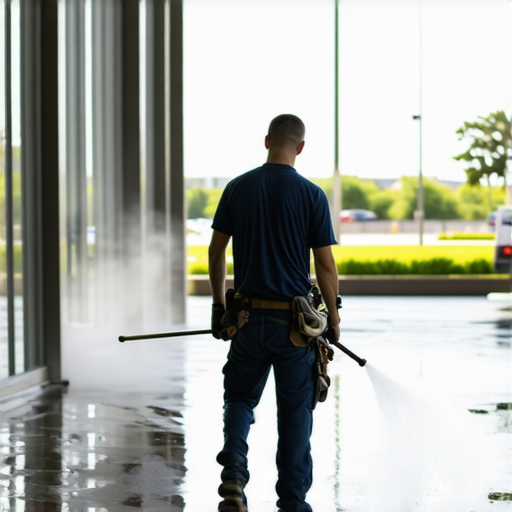
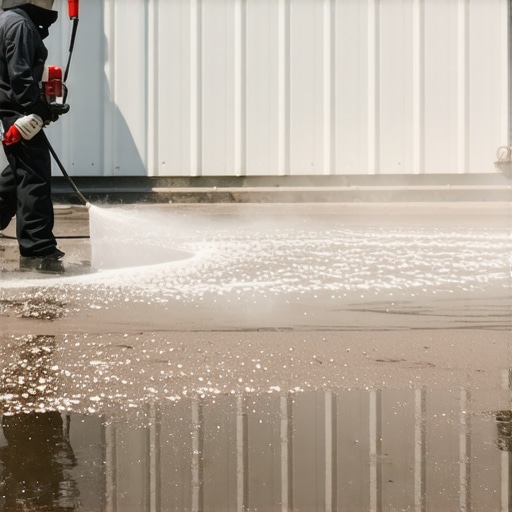
I remember the first time I tackled a stubborn patio stain with my power washer. I was confident, armed with my trusted equipment, and ready to blast away years of grime. But after what felt like an eternity of inconsistent results and missed spots, I realized I was doing it all wrong. That lightbulb moment hit me hard — power washing isn’t just about spraying water; it’s about mastering proven techniques and understanding your equipment.
Why You Need the Right Power Washing Strategies Now
Let’s be honest — power washing can be both a blessing and a curse. When done correctly, it transforms surfaces, boosts curb appeal, and even extends the lifespan of decks and siding. But a misstep can lead to damage, wasted time, and frustration. With so many options and advice floating around, it’s easy to feel overwhelmed or skeptical about whether the “hype” around professional techniques really pays off. I’d bet many of you have faced those moments where your effort didn’t match the results, leaving you wondering, “Am I doing this right?”
The truth is, employing the right methods can drastically improve your outcomes. In fact, an authoritative source states that using the correct pressure and technique can increase cleaning efficiency by up to 50%. That’s a game-changer for anyone serious about achieving spotless surfaces without risking damage.
Is Power Washing Just a Quick Spritz or Worth the Hype?
Initially, I made the mistake of thinking that more pressure equals better results. Turns out, I was gouging my surfaces and wasting energy. Once I learned the importance of adjusting spray angles, using appropriate nozzles, and understanding surface sensitivities, everything changed. Reliable techniques make all the difference — and there’s a reason why professionals swear by specific equipment and strategies. If you’ve ever felt your efforts falling flat or your surfaces still looking dull, don’t worry — I’ve been there. The good news? Mastering proven power wash methods can turn your project around, and I’ll walk you through these game-changing steps shortly.
Set Your Equipment Correctly Before Starting
Before hitting the surfaces, ensure your power washer is set up properly. Choose the right nozzle—most pros prefer a 25-degree nozzle for general cleaning because it balances pressure and coverage effectively. Attach the nozzle securely, and check the pressure settings—aim for a PSI suitable for your surface, usually around 1500-3000 PSI. Adjust the water temperature if your unit has a hot water feature, especially when tackling greasy or moldy areas.
Master the Right Technique for Different Surfaces
Think of your power washer as a precision tool—like a painter’s brush. Hold the wand at a consistent angle, approximately 45 degrees to the surface, and keep it about 12-18 inches away. Use smooth, overlapping strokes instead of random sprays. When cleaning siding or wood decks, keep the spray moving to prevent damage and uneven cleaning. For stubborn stains, let the pressure do the work; don’t force the wand into the surface, or you risk gouging the material. This technique is similar to using a paint roller smoothly, avoiding streaks or missed spots. To learn more about these techniques, visit top strategies for spotlessly clean surfaces.
Use Appropriate Pressure Settings for Different Tasks
Not all tasks require the same pressure. Delicate surfaces like painted wood or stained concrete need lower PSI—around 1500-2000—while tougher grime on concrete might need 3000 PSI or more. Test on a small hidden area first to avoid damage. Adjust your pressure accordingly, and remember: higher pressure isn’t always better. Using too much PSI can strip paint or etch surfaces, leading to costly repairs. For comprehensive guidance, check effective strategies to boost results.
Control Your Spray Pattern for Efficiency
Straight, focused streams deliver maximum power but can cause damage if misapplied. Use wider spray patterns—like 25 or 40 degrees—to cover larger areas safely. When cleaning a large driveway, switch to a wide-angle nozzle for better coverage and less fatigue. Remember, controlling your spray pattern is like steering a bicycle—smooth, steady, and deliberate. This ensures even cleaning and reduces the risk of surface damage. For tips on choosing the right tools, visit top tools for maximum efficiency.
Although many believe power washing is a straightforward task, true mastery involves understanding nuanced aspects that many overlook. A frequent misconception is that higher pressure always results in cleaner surfaces; however, excessive PSI can damage delicate materials like painted wood or soft siding, leading to costly repairs. Instead, leveraging the right pressure and nozzle type for the specific surface is crucial—this is where expert techniques make a difference. Additionally, some assume that thorough coverage requires constant movement at high speeds, but maintaining a steady, controlled brushstroke—similar to a painter’s finesse—ensures even cleaning without surface damage. One common mistake is neglecting to adjust the water temperature when dealing with greasy or moldy surfaces; hot water dramatically improves efficacy, but only if your equipment supports it. Interestingly, recent studies highlight that using appropriate spray angles and controlled patterns can boost cleaning efficiency by up to 50%, emphasizing the importance of technique over brute force. For seasoned enthusiasts or professionals seeking to deepen their approach, understanding these advanced nuances is essential. Dismissing these can lead to surface etching, mold enclosure, or uneven results—mistakes that are easily avoidable with proper knowledge. Dive into trusted sources like this comprehensive strategy guide to elevate your power washing skills. Have you ever fallen into this trap? Let me know in the comments.When it comes to maintaining your power washing setup for long-term performance, selecting the right tools and knowing how to fine-tune your equipment can make all the difference. I personally recommend investing in a high-quality pressure gauge, like the Simpson Analog Dial Pressure Gauge, which allows me to monitor PSI accurately during each job. This prevents over-pressurizing surfaces and ensures consistent results over time. Additionally, a set of adjustable nozzles with quick-attach systems, such as the Karcher Multi-Pattern Nozzle, provides the flexibility to switch between wide and focused streams seamlessly, saving time and reducing wear on your equipment.
Maintaining your power washer isn’t just about hardware; software updates for compatible cleaning agents or degreasers also play a pivotal role. For example, using the latest EcoClean formulas, verified by industry research, can enhance cleaning efficiency without damaging surfaces or your equipment, aligning with the trends highlighted at this source.
Regularly inspecting hoses and fittings is vital for preventing leaks that can compromise pressure stability. I personally check all connections for wear and replace faulty parts with OEM components from reputable suppliers like Simpson Cleaning. This preventive approach ensures smoother operation and extends the lifespan of your equipment.
Looking ahead, I predict a rise in smart power washing systems that integrate Bluetooth connectivity and real-time pressure monitoring, similar to what industry leaders like Karcher are developing. These advancements will allow for more precise control and better maintenance scheduling, reducing downtime.
How do I maintain my power washing tools over time?
Proper maintenance of your power washer involves routine cleaning, lubricating moving parts, and storing equipment in a dry, sheltered location. It’s essential to flush out residual chemicals after use, especially when working with alkaline or acidic cleaners, to prevent corrosion. Regularly changing the oil in gas-powered units and replacing worn brushes or seals enhances longevity. Following the manufacturer’s maintenance schedule, as outlined in your unit’s manual, helps prevent unexpected breakdowns and maintains peak performance. For detailed maintenance routines tailored to different models, consult this comprehensive guide. I recommend setting a quarterly maintenance check to keep your system running like new.
To optimize your long-term results, consider integrating a maintenance checklist into your routine. This proactive approach not only prolongs your equipment’s lifespan but also ensures consistently excellent cleaning outcomes. Starting with simple steps like inspecting nozzles for blockages and cleaning filters can result in immediate improvements. Don’t overlook the importance of proper storage; using protective covers and draining hoses after use prevents weather-related damage and mold buildup. As technology advances, expect smart diagnostics and automated maintenance alerts to become standard, simplifying care even further. Embrace these best practices now, and you’ll enjoy reliable performance for years to come.
3 Surprising Truths Power Washers Don’t Always Share
One of the biggest lessons I’ve learned is that technique trumps brute force. Whenever I tried to blast away stubborn stains with maximum pressure, I often ended up damaging surfaces instead of cleaning them effectively. It dawned on me that understanding the right nozzle angle and spray pattern is what truly makes a difference. Another revelation was that equipment maintenance isn’t just routine — it’s the secret to consistent, trustworthy results. A clean filter, proper hose connections, and calibrated pressure gauges mean fewer surprises and better outcomes. Lastly, I realized that patience and controlled movements are essential. Rushing through a power wash leads to uneven cleaning and surface wear. These insights, though simple once understood, transformed my approach and are lessons I wish I’d known from the start.
Gear Up with My Trusted Power Washing Arsenal
Over the years, I’ve curated a set of tools and resources that elevate my power washing game. The first is the top-quality pressure gauges because monitoring PSI accurately is non-negotiable. Next, the multi-pattern nozzles have allowed me to adapt to different surfaces effortlessly. I also rely on detailed guides like the ultimate power wash equipment manual to troubleshoot and upgrade my setup. Lastly, I trust industry-leading technique resources for ongoing learning. These tools have been game changers for dependable, high-quality results.
Keep the Momentum. Your Next Power Wash Awaits
The journey to mastery in power washing is ongoing, but every step you take today gets you closer to results you can be proud of. Remember, it’s not just about the equipment—it’s about understanding how to use it wisely and maintaining it properly. Embrace the small adjustments, stay curious about new techniques, and trust that your efforts will lead to surfaces that shine brighter than ever. Ready to put these lessons into action? Your next power wash could be your best yet. Don’t hesitate to share your progress and questions below—let’s grow together in this journey of cleaning excellence!