It was last summer when I almost gave up on my driveway cleaning project. I stood there, staring at the stubborn stains, feeling defeated. My power washer sputtered, skipping and spluttering, barely making a dent. That was the lightbulb moment—realizing I was missing some crucial techniques that could turn my mess into a sparkling surface. If you’ve ever faced similar frustration, you’re not alone. I promise, with a few effective strategies, you’ll transform your power washing game and see jaw-dropping results.
Why Proper Power Washing Techniques Make All the Difference
Power washing is more than just spraying water; it’s an art that requires understanding your equipment, surfaces, and the right methods. Many DIYers jump in expecting instant perfection but end up wasting time, energy, and even damaging surfaces. I’ve learned this the hard way, making rookie mistakes early on, like using too high pressure or neglecting the cleaning pattern. Trust me, these errors only lead to streaks, surface damage, or incomplete cleaning.
Recent studies highlight that using appropriate pressure settings and techniques can increase cleaning efficiency by up to 40%, saving not just time but also prolonging equipment lifespan. So, what’s the secret? It’s all about applying the right strategy from the start.
To dive deeper into the essentials, check out our comprehensive guide on effective power washing techniques for 2024. This resource covers everything from nozzle selection to surface preparation.
Are you tired of inconsistent results or worried about damaging your surfaces? If you’ve faced these concerns, keep reading. We’re about to explore the proven strategies that will elevate your cleaning results and boost your confidence.
Now, let’s get into the nitty-gritty of techniques that turn a good power wash into a great one, ensuring you get professional-quality results every time.
Prep Your Equipment and Workspace
Begin by inspecting your power washer, ensuring it’s clean and in good condition. Attach the appropriate nozzle; a 25-degree or 40-degree nozzle usually offers a balance between power and control. Check the hoses and connections for leaks or damage, replacing any worn parts. Clear the area of obstacles, furniture, or delicate plants to prevent accidental damage. Wearing protective gear like goggles and gloves is essential to shield yourself during operation.
Choose the Right Pressure and Nozzle
Adjust the pressure setting according to the surface. For delicate surfaces like siding or wooden decks, keep the pressure low to avoid etching or splintering. Hard surfaces like concrete can handle higher pressure, typically around 3000 PSI. Using the correct nozzle prevents surface damage and optimizes cleaning efficiency. Refer to this guide for selecting the best nozzle for each surface.
Select the Optimal Cleaning Pattern and Technique
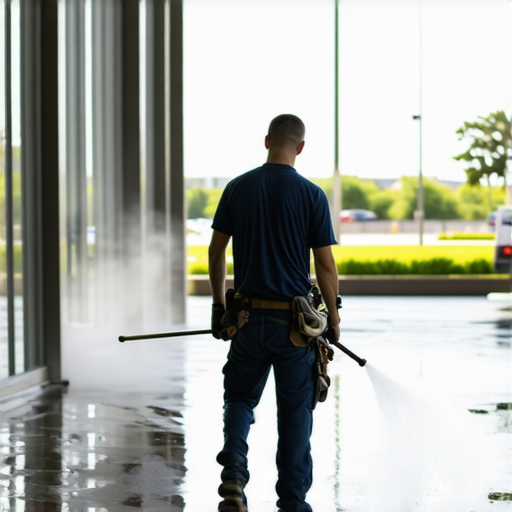
Hold the wand at a consistent 45-degree angle, about 12 inches from the surface. Use overlapping strokes, moving systematically from top to bottom or side to side, to prevent streaks. Imagine painting a wall; each pass should slightly overlap the previous to ensure even coverage. My early attempts often resulted in uneven patches or missed spots, but maintaining a steady hand and consistent motion drastically improved results. For stubborn stains, pre-treat with a detergent recommended for pressure washing, applied with a low-pressure nozzle to allow the cleaning solution to penetrate dirt or algae.
Maintain Constant Movement to Prevent Surface Damage
Never pause at one spot for too long, as this can cause etching or marks, especially on soft surfaces. Keep your wand moving with fluid, controlled strokes, like a painter following a brushstroke. During a project, I once got too focused on the tough stain and held the wand stationary, which left a noticeable mark on my vinyl siding. By keeping a smooth, even pace, I avoided such mishaps and achieved a uniform clean. For more advanced tactics, check out this resource.
Rinse Thoroughly and Watch for Streaks
After applying cleaning solutions and scrubbing stubborn spots, switch to a clean, low-pressure rinse to remove residue. Use the same overlapping technique to avoid streaking or missed sections. Rinsing thoroughly is key; incomplete rinses can leave spots that attract dirt later. My initial rinses often didn’t reach into corners properly, but developing a systematic pattern made my results look more professional. For tips on boosting your results further, explore this article.
Evaluate Your Work and Make Final Touch-Ups
Once finished, inspect the entire area carefully. Pay close attention to shadowed spots or corners where dirt might hide. Use a lower pressure to clean these stubborn patches if needed. If any streaks or missed spots are visible, re-treat these areas with gentle strokes. Experience taught me that a meticulous final check saves time from redoing work later and ensures a sparkling finish.
Even seasoned DIYers and professionals alike often fall prey to misconceptions when it comes to power washing, leading to costly mistakes or surface damage. One prevalent myth is that higher pressure always equals better cleaning results. In reality, many underestimate the importance of choosing the right pressure settings tailored to specific surfaces. Using excessive PSI can etch delicate materials like siding or wood, leaving permanent marks. Conversely, too low pressure might not effectively remove algae or grime, prolonging the cleaning time unnecessarily. A common oversight is neglecting nozzle selection; different nozzles distribute water flow differently, impacting both effectiveness and safety. For example, a 0-degree nozzle might provide power but risks damaging surfaces if used improperly, whereas wider angles offer safer, controlled cleaning. Additionally, some believe that more detergent always means cleaner surfaces. However, over-application can lead to streaking or chemical residue that’s hard to rinse off, especially if not matched with appropriate nozzle pressure. Proper surface prep, including wetting plants or shielding fragile items, is vital but often overlooked, resulting in accidents or damage. Lastly, many underestimate the importance of technique nuances — like maintaining a consistent distance and overlap — which can make or break the final result.
Why do some power washers still struggle despite knowing the basics?
Deep understanding of these subtleties can elevate your results from amateurish to professional-grade. Experts emphasize that mastering equipment nuances, such as toggling pressure and nozzle types, is crucial for avoiding common pitfalls and achieving durable, streak-free surfaces. Studies have shown that surface-specific adjustments can improve cleaning efficiency by up to 50%, reducing both time and resource expenditure. To deepen your knowledge, consult resources like this guide on advanced strategies.
Have you ever fallen into this trap? Let me know in the comments. Remember, investing time in understanding these nuances ensures your power washing projects are safe, effective, and long-lasting.
Keeping Your Power Wash Equipment in Top Shape
Investing in quality tools is only part of the equation; regular maintenance ensures they perform at their best over time. Start by inspecting hoses and connections after each use, checking for cracks or leaks that could reduce pressure or cause damage. Cleaning your pressure washer’s filters periodically prevents debris buildup that hampers performance. Applying a light coating of corrosion inhibitor before storing your equipment for the off-season can extend its lifespan and prevent rusting, especially if you live in a humid climate. And don’t forget to drain water from pumps and hoses to avoid freezing damage in colder months.
Recommended Equipment for Longevity and Efficiency
I personally rely on the Simpson MegaShot series because of its durability and straightforward maintenance needs. Its axial cam pump is known for minimal wear over time, reducing the need for frequent repairs. Complement it with a high-quality extension wand, like the extension wand, that allows wider coverage and reduces strain on your body during those prolonged sessions. For cleaning agents, I recommend the Biokleen Exterior Cleaner—it’s eco-friendly, effective, and easier to rinse, which speeds up operational turnovers and prolongs equipment life.
What’s the Future of Power Washing Tools?
Emerging trends point toward smarter, more connected equipment. Wi-Fi-enabled pressure washers that monitor usage and maintenance alerts are gaining popularity, making upkeep more manageable. Additionally, advances in electric models promise quieter operation and less maintenance, perfect for delicate residential areas. Expect these innovations to become standard as the industry leans toward sustainability and convenience. Staying informed about these developments can give you a competitive edge, so regularly check trusted resources like this guide.
How Do I Maintain My Equipment Over Time?
Developing a routine maintenance schedule is key. After each job, flush water through the system to clear out debris and prevent buildup. Lubricate moving parts as recommended by the manufacturer—most will specify using silicone or lithium grease—to avoid wear and tear. Every 50 hours of operation, perform a thorough inspection, looking for worn seals or hoses that might need replacement. Keeping a log of maintenance activities not only prolongs equipment durability but also saves you money by preventing costly repairs down the line. Regularly using high-quality parts, like trusted replacement parts, ensures reliable performance. By treating your tools well, you’ll reduce downtime and keep your results consistent, making long-term power washing achievable and stress-free. I recommend trying the technique of applying a corrosion inhibitor before storage—this simple step has saved me repairs and hassle. Don’t hesitate to incorporate this into your maintenance routine—you’ll thank yourself later.
Lessons That Changed My Approach to Power Washing
One of the most eye-opening lessons I learned was the danger of rushing through a job without proper surface assessment. Initially, I thought more pressure meant better results, but I soon realized that understanding each surface’s unique needs is vital. A simple mistake like using the wrong nozzle cost me time and patience, teaching me to plan every step carefully. I also discovered that patience and steady movement prevent damage and produce a streak-free finish—qualities that only come with experience and mindfulness. Lastly, I found that regular maintenance of my equipment not only extended its lifespan but also ensured consistent results, which is crucial for building confidence in your power washing process.
My Toolbox for Consistent Power Washing Success
Over the years, I’ve come to rely on specific tools and resources that elevate my work. The Simpson MegaShot remains my top choice because of its durability and easy maintenance. I also invest in high-quality extension wands, which make covering larger areas more efficient and comfortable. For cleaning agents, the Biokleen Exterior Cleaner offers an eco-friendly, effective solution that renders rinsing faster. Additionally, I always keep a comprehensive power washing techniques guide bookmarked, so I can refine my methods continually and stay updated with industry best practices.
Your Next Step Toward Power Cleaning Confidence
Achieving professional-grade power washing results isn’t exclusive to experts—it’s accessible with the right attitude and tools. Embrace the learning process, invest in quality equipment, and stay curious about new techniques. Every surface has its story, and with patience, your power washer can be a tool for transformation, revealing surfaces that look brand new. Remember, continuous improvement is the key—so go ahead, take that next step and watch your skills—and surfaces—shine brighter than ever.
What’s been your biggest challenge in power washing, and how did you overcome it? Share your experience below—I’d love to hear your story!