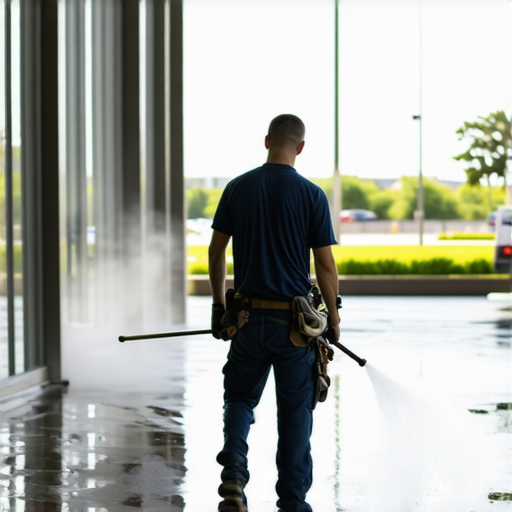
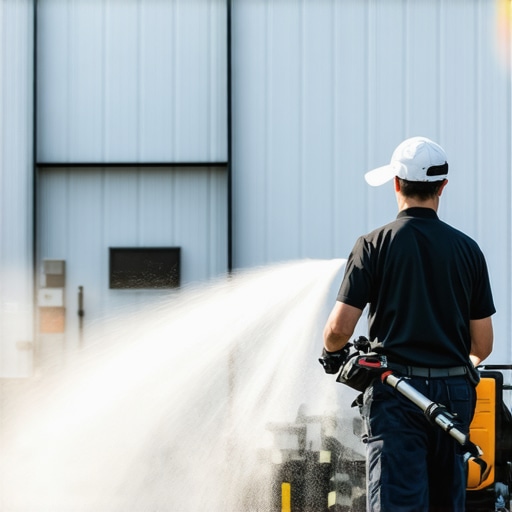
I remember the first time I tried power washing my driveway. I was eager, armed with a cheap, off-brand pressure washer I picked up at a local hardware store. Within minutes, I realized I was wasting water, missing spots, and worst of all, damaging my surface. It was a lightbulb moment—just having a power washer isn’t enough. Success in power washing depends heavily on the right equipment and techniques, especially as we step into 2024 where the standards are higher than ever.
Why Upgrading Your Power Washing Gear Matters Now
Power washing has become more than just a weekend chore; it’s a skill that can turn into a profitable side hustle or a trusted service for your neighborhood. But the secret to truly standout results? Using top-tier equipment and mastering the right techniques. The market is flooded with options—from budget models to professional-grade gear. Choosing wisely can mean the difference between a surface that looks brand new and one that’s permanently damaged. Plus, with the rise of eco-friendly solutions and high-efficiency models, investing in the right tools can save you time, water, and headaches.
Is It Really Worth the Hype Around New Power Washers?
Early in my journey, I made a common mistake: I bought a cheap, low-pressure machine because I thought all power washers were the same. It wasn’t until I upgraded to a professional-grade unit that I saw a drastic improvement in results. Today, I recommend checking out resources like this guide to understand what equipment truly makes a difference. Trust me, investing in quality tools pays off in the long run.
So, if you’ve ever wondered whether your current setup is holding you back or if you’re just using techniques that waste time, stick around. I’ll walk you through the essential gear and strategies that will elevate your power washing game in 2024. Ready to get started? Let’s dive into the equipment that’s turning amateurs into pros and pros into legends.
Choose Your Power Washer Wisely
Start by selecting the right power washer for your needs. For most residential tasks, a unit with at least 3,000 PSI and 2.8 GPM (gallons per minute) offers a good balance of power and control. I once tried cleaning a stubborn driveway with a 1,500 PSI machine—I spent hours and barely made a dent. Upgrading to a professional-grade unit made the task faster and more effective. For detailed guidance, check out this equipment guide to make informed choices.
Use the Correct Nozzle and Settings
Choosing the right nozzle is crucial. A 25-degree nozzle provides a wide spray suitable for general cleaning, while a 0-degree nozzle offers intense pinpoint power for tough spots. I learned this the hard way when I used a 0-degree nozzle on my siding, which caused damage. Always start with a wider spray and gradually narrow it if needed. Adjust pressure settings to match the surface—softer surfaces like wood require lower pressure. For a deep dive into nozzle strategies, explore this resource.
Master the Technique of Proper Distance and Motion
Maintaining the right distance—usually 12 to 18 inches from the surface—is vital to prevent damage and ensure even cleaning. I once got too close, and the high-pressure jet etched lines into my concrete. Moving the wand in consistent, overlapping strokes ensures thorough coverage. Think of it like painting a wall—steady, controlled motions produce the best results. For expert tips, see this guide.
Optimize Water and Chemical Use
Using the right amount of water is both eco-friendly and efficient. High-efficiency models reduce water consumption without sacrificing power. When tackling stains or mold, applying the right cleaning solution first can cut down on the need for excessive pressure. I once used too much soap, which caused a sticky residue that took hours to rinse off. Always follow the manufacturer’s recommendations for chemical use. For strategies on maximizing cleaning with less water, visit this article.
Inspect and Maintain Your Equipment Regularly
Regular maintenance extends your equipment’s life and keeps it performing at peak levels. Check hoses for leaks, tighten fittings, and clean filters after each use. I once ignored a clogged filter, and pressure dropped significantly, prolonging my cleaning time. Proper storage and periodic inspection prevent costly repairs and downtime. For detailed maintenance routines, see this maintenance guide.
Practice and Refine Your Skills
Power washing is as much about technique as it is about equipment. Spend time practicing on less visible areas to get comfortable with pressure and motion. I spent an entire afternoon practicing on a scrap piece of concrete, adjusting my distance and spray angle until I got perfect results. This hands-on experience built my confidence and improved my speed. For proven strategies to sharpen your skills, check out this training resource.
Many homeowners and even seasoned DIY enthusiasts fall into traps when it comes to power washing, often believing in myths that can lead to damage or subpar results. Let’s dig deeper into some of the most widespread misconceptions and how to avoid them. First, there’s a common belief that more pressure always equals better cleaning. In reality, exceeding the recommended PSI can etch surfaces, strip paint, or cause water intrusion. Instead, mastering the right techniques and equipment is key to effective cleaning without damage.
Another misconception is that chemical solutions are unnecessary—many think water alone can do the job. But high-quality detergents and eco-friendly solutions often outperform brute force, especially on mold, grease, or stains. Applying proper chemicals before rinsing with a power washer reduces the need for excessive pressure and prolongs the life of your surfaces. For advanced users, integrating chemical strategies with equipment choices can significantly boost results. Check out this guide for insights.
Many also overlook the importance of nozzle selection. Using a narrow 0-degree nozzle for large areas can be tempting but risky—it’s easy to cause damage or uneven cleaning. Instead, starting with a wider 25-degree nozzle and adjusting as needed offers a safer, more efficient approach. Remember, even the most powerful equipment can cause harm if misused. Mastering nozzle angles and pressure adjustments is often an overlooked nuance that separates amateurs from pros.
One trap I see often is the assumption that bigger, commercial-grade equipment is always better. While professional tools have their place, using the wrong type of machine for your specific task can backfire. For instance, a commercial unit with excessive PSI on delicate sidings can cause costly repairs. It’s crucial to match equipment capabilities with your project needs, which you can learn more about in this resource.
How do I know if I’m using the right pressure and techniques for my surfaces?
Great question! Advanced power washers come with adjustable pressure settings and multiple nozzles, but the real skill lies in testing and adjusting based on surface sensitivity. For example, soft woods or painted surfaces require much lower PSI and wider spray angles. Consistently inspecting your work and adjusting your distance and spray pattern is vital—think of it like fine-tuning a musical instrument. For a comprehensive approach, see this article.
Finally, don’t underestimate regular maintenance and proper storage. Equipment left uncleaned or exposed to the elements can lose efficiency or break down. This simple step ensures your investment lasts longer and performs better, saving you money and headaches in the long run. For expert maintenance tips, visit this guide.
Have you ever fallen into this trap? Let me know in the comments, and share your own power washing lessons learned. Mastering these nuances can elevate your results and protect your surfaces, making you a true power washing pro in 2024.
Investing in high-quality power washing equipment is just the beginning; maintaining it properly ensures longevity and top performance. Over time, even the best tools require routine care to prevent failures and extend their lifespan. One of my favorite practices is regularly inspecting hoses and fittings for leaks or cracks. Replacing worn-out hoses promptly can prevent pressure drops and costly damage. Additionally, cleaning filters after each use keeps water flow smooth and prevents clogs that diminish pressure. For a comprehensive routine, I recommend reviewing this detailed maintenance guide.
Power washers also benefit from proper storage. Always drain residual water from hoses and pumps before storing them in a dry, cool place to prevent mold and corrosion. Using protective covers can shield equipment from dust and moisture, especially if you live in a humid climate. I’ve found that investing in a durable, weather-resistant cover extends the life of my power washer significantly. Regularly lubricating moving parts and checking for loose bolts or fittings also keeps everything operating smoothly. These small steps, although simple, make a huge difference in long-term performance.
For those serious about long-term results, considering upgrades like a stainless steel pump or a high-quality pressure gauge can make maintenance more effective. These components resist corrosion better and provide more accurate readings, helping you avoid over-pressurizing surfaces. Additionally, using environmentally friendly detergents not only benefits the environment but also reduces residue buildup inside your equipment, ensuring it runs cleaner and more efficiently. Explore this resource for insights into the best long-term investment choices for your gear.
How do I maintain my power washing tools over time?
Maintaining your power washing tools over time involves a combination of regular inspections, proper cleaning, and smart storage practices. Start by checking hoses and connections after each use; look for cracks, leaks, or signs of wear. Clean filters to prevent debris from clogging the system, and lubricate moving parts to reduce friction and wear. When storing your equipment, ensure it is completely dry and protected from the elements to prevent rust and mold. Additionally, periodically test the pressure gauge and replace any worn-out nozzles or seals. Staying proactive with these maintenance routines can save you money and ensure your equipment performs flawlessly whenever you need it. For more detailed tips, see this guide.
Don’t forget—adopting a regular maintenance schedule now can prevent major repairs later and keep your power washer running like new for years to come. Try implementing a monthly inspection routine and see how much smoother your cleaning projects become. Remember, consistent care is the key to reliable, professional results every time you power wash.
Lessons That Changed My Power Washing Game
- The PSI Myth: I used to believe that cranking up the pressure was the key to better results. Turns out, too much PSI can damage surfaces and cost more in repairs. Finding the right balance was a game-changer for me.
- Nozzle Nuances: I used a narrow nozzle on everything—big mistake. Learning to switch nozzles based on surface type saved me time and prevented costly mistakes, especially on delicate sidings.
- Chemical Care: Relying solely on water was a rookie move. Applying proper detergents first made my cleaning more effective with less pressure, extending the life of my surfaces and equipment.
- Maintenance Matters: Regularly inspecting and cleaning my equipment prevented sudden breakdowns and kept the pressure consistent. It’s a simple habit that paid off big time.
Tools and Resources That Elevate My Power Washing
- My Go-To Equipment: I trust the ultimate power washing equipment guide—it helped me choose tools that match my needs without overspending.
- Expert Tips: The effective equipment strategies article taught me how to maximize results with less water and pressure, saving time and money.
- Educational Content: I recommend watching tutorials from top techniques and equipment in 2024—they provide hands-on insights that make a real difference.
Empower Your Power Washing Journey
Don’t let myths and guesswork hold you back—embrace learning and upgrading your tools. Power washing in 2024 is about precision, care, and smart investments. With the right approach, you’ll see surfaces transform and gain confidence in your skills. Ready to elevate your results and impress your neighbors? The power is in your hands—start today and watch your expertise grow!
What’s the biggest power washing mistake you’ve made so far? Share your story below—I’d love to hear it!