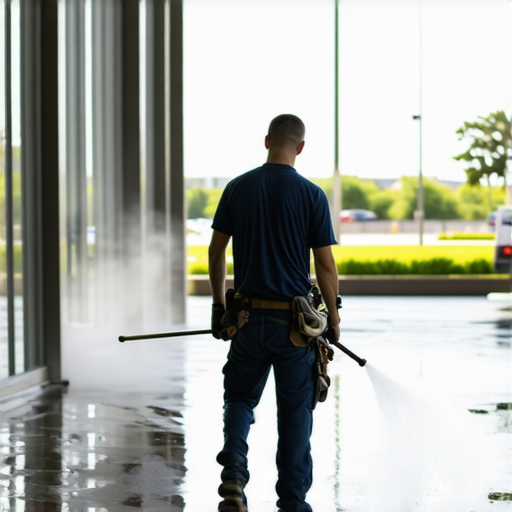
Ever spent a day battling stubborn grime on your driveway or siding, only to realize halfway through that your equipment isn’t quite up to the task? I remember my first attempt at power washing, thinking I could wing it with whatever I had. Big mistake. The results were uneven, and I felt completely frustrated. That lightbulb moment made me realize something crucial: having the right equipment and knowing the best tips can make or break your power washing success.
Why Equipment Matters More Than You Think
If you’re serious about achieving professional-looking results, you can’t just rely on a decent hose and a generic pressure washer. Trust me, early on I made the mistake of skipping the investment in quality equipment, and it showed. Low-quality tools can waste your time, damage surfaces, or even cause injury. In 2024, the right gear isn’t a luxury—it’s a necessity. From high-efficiency pressure washers to specialized nozzles, each piece plays a role in boosting your results. For a comprehensive guide on choosing the best equipment, check out this resource.
Is Power Washing Equipment Actually Worth the Hype?
Absolutely. I used to think I could get by with a basic machine, but I quickly learned that top-tier equipment saves time, reduces effort, and delivers better results. Early in my journey, I overlooked the importance of a good surface cleaner and a variable pressure wand, which led to uneven cleaning and surface damage. Once I upgraded, everything changed. Proper equipment allows you to adapt to different surfaces and stubborn stains, making your job not just easier but more effective. Want to know which tools made the biggest difference for me? Check out this article.
Power washing isn’t just about spraying water; it’s about harnessing the right tools to do the job safely and efficiently. If you’re tired of wasting time with subpar equipment or risking damage, stay tuned. I’ll walk you through the essential gear and expert tips that will turn your beginner efforts into professional results in 2024.
Choosing the Right Power Washer
Start by selecting a quality pressure washer that matches your cleaning needs. Think of it like picking a sturdy car for a long trip; a basic model might seem enough but can leave you stranded. Invest in a unit with at least 2000 PSI for most surfaces, and look for features like adjustable pressure and a reliable motor. For more detailed guidance, check out this resource.
Pick a machine with versatility
Choose a model with variable pressure settings — it’s like having a dial that lets you turn down for delicate surfaces and up for tough grime. When I upgraded to a machine with a variable wand, my cleaning efficiency skyrocketed, especially on textured brick and painted siding.
Essential Nozzles and Attachments
Nozzles are your precision tools, like the different tips in a chef’s kit. I always keep a 25-degree nozzle for general cleaning, a 15-degree for stubborn stains, and a soap nozzle for soft washing. Using the wrong nozzle can be like trying to cut with a dull knife — ineffective and frustrating. For a comprehensive list of must-have attachments, see this guide.
Keep nozzle pressure in check
Remember, higher pressure isn’t always better. On my first project, I set the nozzle to maximum and ended up chipping paint and etching concrete. Always start with a lower setting and gradually increase until the surface is clean without damage.
Surface Cleaners Save Time and Effort
Invest in a surface cleaner attachment — it’s like switching from a paintbrush to a roller. I bought one for my driveway, and it cut my cleaning time in half while ensuring an even finish. They’re especially effective for large flat surfaces like patios or driveways. For tips on selecting the best surface cleaner, review this article.
Balance water flow and pressure
Using a surface cleaner with too much water flow can cause runoff and mess, while too little won’t do the job. Adjust the pressure accordingly, and always test on a small area first.
Hoses and Extension Wands
Don’t underestimate the power of a good hose. Heavy-duty, kink-resistant hoses prevent interruptions, and long extension wands give you reach without strain. Once, I struggled to reach the second story of my house with a short wand, leading to uneven cleaning. Upgrading my extension pole made all the difference.
Ensure proper flow rate
A hose with a high GPM (gallons per minute) rating delivers more water, making cleaning faster. Pair this with a high-quality nozzle for optimal results. For more on optimizing water flow, see this resource.
Safety Gear and Maintenance
Never skip safety equipment. I always wear goggles, gloves, and ear protection — power washing can be louder and more dangerous than it looks. Regularly inspect and clean your equipment; a clogged nozzle or worn hose can reduce efficiency and cause damage. Proper maintenance is like tuning a musical instrument — it keeps everything performing at its best.
Store equipment properly
After each use, drain hoses, clean filters, and store in a dry place. This prevents mold, corrosion, and prolongs your investment.
Mastering these tools and techniques transforms your power washing from a chore into a satisfying DIY project, delivering professional results every time in 2024. For advanced tips on maximizing your equipment, visit this article.
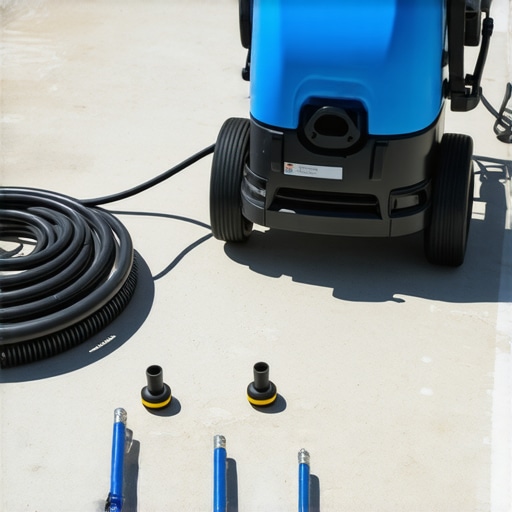
Many DIY enthusiasts and even seasoned homeowners fall prey to misconceptions when it comes to power washing. While it might seem straightforward, there are nuanced pitfalls that can compromise your results or even damage your surfaces. Let’s dig deeper into some of the most common myths and reveal the hidden truths behind effective power washing.
Myth: Higher Pressure Means Better Cleaning
One of the most widespread misconceptions is that cranking up the pressure will automatically lead to a cleaner surface. In reality, excessive pressure can etch concrete, strip paint, or damage delicate siding. Skilled professionals understand that the key lies in adjusting pressure and water flow based on the surface. Starting with a lower PSI and gradually increasing allows for safe, effective cleaning without risking harm. For an in-depth look at how to balance pressure and water flow, check out this resource.
Misconception: All Nozzles Are Created Equal
Many beginners think that any nozzle will do the job, but the truth is that nozzle choice drastically affects your results. Using a nozzle with too narrow a spray angle (like 0° or 15°) can cause surface damage, especially on softer materials. Conversely, wider nozzles (like 25° or 40°) disperse water more gently. The secret is to select the right nozzle for the surface—a mistake often made is using the wrong one and ending up with chipping paint or etching concrete. For a detailed breakdown of nozzle selection, visit this guide.
What about the Myth of Using Only Water and No Detergents?
This is a big one. Many assume that water alone is enough to clean surfaces thoroughly. While water can remove loose dirt, stubborn stains, grease, and algae require detergents. Ignoring this leads to incomplete cleaning, which might look acceptable at first but won’t stand the test of time. Using appropriate cleaning solutions in tandem with power washing achieves better, longer-lasting results. For expert advice on choosing effective cleaning agents, explore this article.
Advanced Question: How Do I Prevent Surface Damage When Using High Pressure?
If you’re an experienced user asking how to avoid etching or chipping, the answer lies in proper technique and equipment calibration. Maintain a safe distance (typically 12-18 inches) from the surface, use a wide-angle nozzle, and keep the wand moving in smooth, overlapping strokes. Additionally, employing surface cleaners can distribute pressure evenly. For professional strategies on surface preservation, see this resource.
Have you ever fallen into this trap? Let me know in the comments. Understanding these nuances can save you time, money, and frustration, ultimately helping you achieve the best results every time you power wash.
Keeping your power washing equipment in top shape is crucial for consistent, high-quality results and extending the lifespan of your tools. Over time, even the most durable gear requires regular maintenance and thoughtful tool management. In this article, I’ll share the specific tools I rely on and the best practices to keep everything working smoothly, saving you time and money in the long run.
Invest in a High-Quality Surface Cleaner
For large flat surfaces like driveways and patios, a dedicated surface cleaner attachment has been a game changer for me. I personally use the professional-grade surface cleaner because it distributes water evenly, prevents streaks, and dramatically reduces cleaning time. Regularly inspect the brushes and seals—replacing worn parts promptly ensures consistent performance and prevents damage to surfaces.
Use a Durable, Kink-Resistant Hose
A reliable, heavy-duty hose with a high GPM rating is essential. I prefer hoses with reinforced linings that resist kinks and reduce pressure drops. This not only maintains steady water flow but also minimizes wear and tear. Remember, a compromised hose can lead to inconsistent results or even equipment failure, so check for leaks and cracks monthly. For the best results, pair your hose with a compatible, high-quality nozzle to maximize efficiency.
Regularly Clean and Inspect Nozzles
Nozzles are the heart of your pressure washer’s precision. I always carry a set of different spray tips—25°, 15°, and soap nozzles—and clean them after each use with a small wire brush. Clogged or worn nozzles reduce pressure and can cause uneven spray patterns. For longevity, store your nozzles in a dedicated container and replace them as needed. Proper nozzle maintenance ensures consistent spray angles and prevents surface damage.
Maintain Your Pressure Washer’s Pump and Motor
Every few months, I inspect and lubricate the pump fittings and check the oil levels in the motor. Using a pump lubricant specifically designed for pressure washers extends its lifespan. Additionally, I always drain the system of water after use to prevent freezing or corrosion during colder months. Regularly replacing the oil and inspecting seals prevent costly repairs down the line and keep your equipment running like new.
Use the Right Storage Techniques
Proper storage is often overlooked. I keep my equipment in a dry, sheltered area, and I drain all water from hoses and pumps before storing. This avoids mold, rust, and mineral buildup. Additionally, I use protective covers on my machine during long periods of inactivity. These simple steps preserve the integrity of your tools, ensuring they’re ready for action whenever needed.
Plan for Future Upgrades
As technology advances, new accessories and techniques emerge. I predict that in the future, smart pressure washers with IoT connectivity and self-cleaning nozzles will become more common. Staying informed about these innovations through trusted sources like this guide helps me plan upgrades that can boost efficiency further. Don’t be afraid to experiment with new tools—sometimes, a small investment can make a big difference in results.
How Do I Maintain Equipment Over Time?
The key is consistency. Regularly inspect hoses, nozzles, and filters, and perform preventative maintenance like oil changes and cleaning. Keep detailed records of maintenance schedules, and replace worn parts before they cause failures. This proactive approach minimizes downtime and ensures your equipment operates at peak performance, saving you headaches and costs down the line.
Now that you know the importance of diligent maintenance and reliable tools, I encourage you to try one of these advanced tips—like upgrading to a surface cleaner or investing in a high-quality hose—and see how it transforms your cleaning results. Proper tools and care are the foundation of professional-grade power washing that lasts.
Over the years, I’ve learned that mastering power washing isn’t just about buying the right equipment; it’s about understanding the subtle nuances that can elevate your results from average to professional. Here are some insider lessons I wish I had known from the start, which can save you time, money, and frustration as you tackle your cleaning projects in 2024.
The Hardest Lesson I Learned About Power Washing Equipment
One of my biggest mistakes was underestimating the importance of quality hoses and nozzles. It’s tempting to cut costs, but I quickly realized that cheap hoses kink easily and reduce water flow, which hampers cleaning efficiency. Upgrading to a kink-resistant, high-GPM hose made my work smoother and more reliable. Trust me, investing in durable gear pays off in the long run.
3 Myths About Power Washing That Held Me Back
- Myth: Higher pressure is always better. I used to crank the PSI, but that often caused surface damage. Learning to balance pressure and water flow was a game changer.
- Myth: All nozzles are the same. Using the wrong spray angle can chip paint or etch concrete. Proper nozzle selection based on the surface is essential.
- Myth: Water alone can do the job. For tough stains and algae, detergents are a must. Combining cleaning solutions with power washing yields lasting results.
What Experts Won’t Tell You About Equipment Maintenance
Regular inspection and cleaning of your nozzles and filters are vital. I learned that clogged nozzles reduce pressure and spray quality, leading to uneven cleaning. Cleaning nozzle tips with a wire brush and storing equipment properly prevents costly repairs and keeps everything performing at its best.
Curated Recommendations for Power Washing Mastery
- Effective Equipment Tips: This guide helped me understand which gear truly makes a difference and how to choose the right tools for each job.
- Pro Techniques and Equipment: Learning professional strategies from industry experts transformed my approach to power washing.
- Boost Your Results: Practical tips on optimizing water flow and pressure helped me achieve streak-free, even finishes every time.
Your Turn to Shine with Power Washing
Armed with the right tools and techniques, you can turn power washing into a satisfying DIY project that delivers professional results. Remember, the key is consistency and continuous learning. In 2024, the best results come from a blend of quality equipment, proper maintenance, and a willingness to adapt and improve.
What’s the biggest challenge you’ve faced with power washing, and how did you overcome it? Share your experience below—I’d love to hear your story!
This post really hits home for me, especially the part about equipment making such a huge difference. I remember initially starting out with a basic pressure washer that was just okay, but it often left me frustrated with uneven results. Upgrading to a machine with adjustable pressure and a surface cleaner truly transformed my approach. Now, I can handle different surfaces more confidently without worrying about damage. I wonder, how do others decide on the optimal PSI for delicate surfaces like painted siding? It seems like a delicate balance between cleaning effectively and avoiding harm. I’d love to hear some tips or experiences from others who have mastered this skill—it’s always a learning process! Also, maintaining equipment regularly has saved me a lot in repair costs. Do you have any favorite maintenance routines or tools that help keep your gear in prime condition? Sharing these little tips really helps keep the process smooth and results top-notch.
Reading this post really resonated with my own experiences. I used to believe that cranking up the pressure was the fastest way to get results, but I quickly learned that higher isn’t always better — especially on delicate surfaces like painted wood or siding. Now, I always start with a lower PSI and gradually increase it, paying close attention to the surface response.
One thing I’ve recently incorporated is using surface cleaners for large areas. It’s such a huge time-saver and helps prevent surface etching or uneven patches. Also, regular maintenance of nozzles and filters has noticeably improved my results and extended the life of my equipment. Do others have tips for identifying worn-out nozzles before spray patterns start to degrade?
I’d love to hear how others balance pressure and equipment care, especially in tricky situations like cleaning near windows or sensitive siding. Do you have specific tips or routines that help maintain the quality of your work and equipment long-term? Sharing practical advice like this can really help those new to power washing avoid costly mistakes.
This discussion about equipment and technique truly highlights how much of a difference small details can make in power washing. I remember when I first started, I underestimated the importance of maintaining consistent water flow and pressure. It’s tempting to rely on brute force, but as many experienced users point out, the real key is gradual adjustments and the right nozzles for specific surfaces. I’ve found that regularly inspecting my nozzles and replacing worn tips has saved me from uneven cleaning and surface damage, especially on softer materials like wood or vinyl siding. Also, I’ve started using a pressure gauge on my wand to ensure I’m staying within safe PSI ranges, which was a game-changer. What are some of your best tips to quickly identify when a nozzle or hose is starting to weaken? I’d love to hear practical advice from the community—everyone’s experience helps refine our approach and avoid costly mistakes.