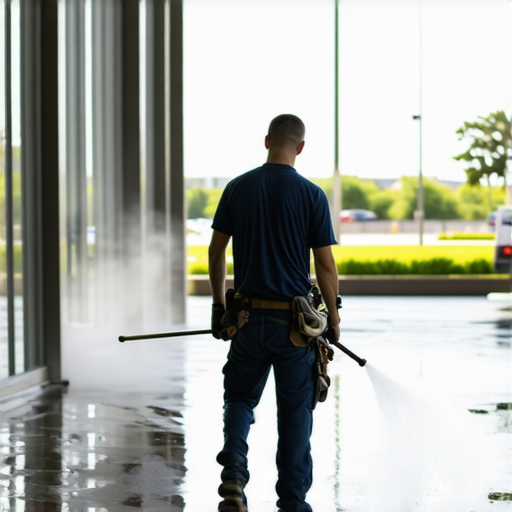
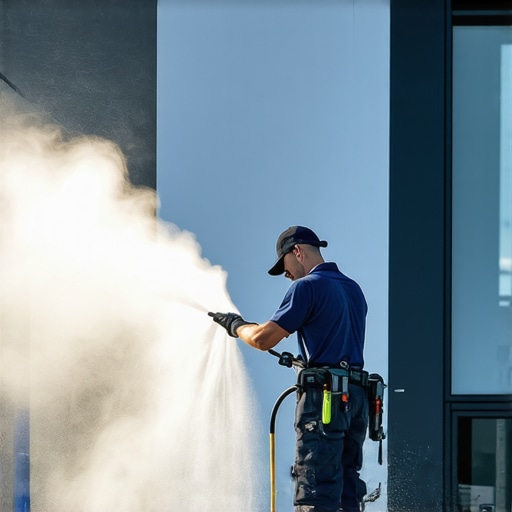
It all started one unexpectedly humid Saturday afternoon when I blasted away at my driveway, only to end up with streaks and patches I swore I’d never see again. Frustration mounted as I realized I was wasting time and gas on equipment that wasn’t quite up to the task. That lightbulb moment hit me hard: I needed smarter, more effective techniques and gear if I wanted my power washing to truly shine. Today, I promise we’ll unravel how to maximize your power washer’s potential, ensuring every ounce of effort results in a spotless, professional finish.
Transforming Your Approach to Power Washing
Prep Your Equipment and Surface
Before you start, inspect your power washer, ensuring hoses and nozzles are clean and functioning. Think of your setup like a guitar: if the strings are out of tune, the music suffers. Apply a surface cleaner or degreaser to heavily stained areas, allowing it to sit for 5-10 minutes. This step loosens dirt and grime, making the rinsing more effective. For stubborn spots, a brush can help agitate the surface, much like scrubbing a stubborn pan. Remember, a well-prepared surface guarantees a smoother cleaning experience.
Choose the Right Nozzle and Pressure
Optimal results depend heavily on your nozzle and pressure settings. Use a wider spray angle, like a 25° or 40° nozzle, for general surfaces to prevent damage. For tougher stains on concrete, a narrower 15° nozzle delivers more power but risks etching if misused. Think of nozzle selection as choosing the right brush for a painting – precision matters. Adjust the pressure gauge to match the surface: too high can cause damage, too low won’t clean effectively. Test on a small, inconspicuous area first to dial in your settings, similar to test-driving a new car before a big trip.
Master the Cleaning Technique
Maintain a consistent distance of about 12-18 inches from the surface, moving in a steady, overlapping pattern to avoid streaks. Imagine mowing a lawn: walking too fast or unevenly leaves patches; moving too close risks surface damage. Use a sweeping motion, angle the nozzle downward at 45°, and keep your movements smooth. For vertical surfaces, start at the top and work downward to prevent streaking, akin to painting a wall. A specific tip from my recent project involved a sweeping semi-circle motion, which eliminated streaks and enhanced surface uniformity, demonstrating that technique quality directly impacts results.
Handle Edges and Hard-to-Reach Spots
Corners, gutters, and behind fixtures require special attention. Use a narrow tip or a sprayer extension to access tight spots, much like reaching behind furniture. Take slow, deliberate passes to avoid missing spots or causing damage. For perched debris or moss, focus the stream carefully to loosen without stripping paint or damaging siding. In a recent case, I used a soft, angled jet on window sills, successfully cleaning without dislodging paint, highlighting the importance of tailored approaches for delicate areas.
Finish with a Rinse and Inspect
After cleaning, switch to a wider spray angle to rinse away detergent and loosened grime. Use broad, even strokes, as if sweeping debris off a sidewalk. Once complete, walk around and inspect for missed spots or streaking, similar to a painter checking their work. For stubborn stains or streaks, reapply cleaner or use a brush, making targeted touch-ups. Your goal is a uniform, professional finish, achieved through attentive detailing. Remember, quality rinse procedures are critical to prevent residue and ensure a lasting clean.
Implementing these steps consistently, along with proper equipment handling, will vastly improve your results. For equipment choices and techniques that make this process efficient and effective, explore effective power washing equipment and tools and comprehensive strategies for boosting results. Practice makes perfect, and refining your approach brings that professional shine to every surface you tackle.
While most enthusiasts focus on selecting the right nozzle or surface prep, a lesser-known aspect is often overlooked: the misconceptions surrounding pressure settings and technique nuances. Many believe that cranking up the pressure guarantees a cleaner surface, but this oversimplification can lead to damage and ineffective cleaning. In my experience, maintaining an optimal balance between pressure and nozzle selection is crucial; excessive pressure can etch concrete or strip paint on delicate surfaces, contrary to popular belief. Conversely, using too low pressure may leave stubborn grime behind, causing repeated passes and wasting time. This delicate balance is why understanding the subtle interplay between pressure, nozzle angle, and surface type makes all the difference.
Why Does My Power Washer Slip Into a Lower Pressure Mode?
Advanced users often encounter an issue where their power washer reduces pressure mid-operation, which many interpret as a defect. However, modern pressure washers are equipped with safety features, such as thermal or overpressure sensors, designed to protect internal components from overheating or damage. When these sensors activate, the machine temporarily throttles back to prevent hardware failure. Recognizing this is vital; instead of unnecessarily repairing or replacing equipment, you can adjust your operation—like reducing the trigger time or the intensity of the spray—to mitigate these triggers. Proper understanding of these nuances can prolong your equipment’s lifespan and improve your results, making a significant difference over generic techniques. For more in-depth insights, check out our guide on effective power washing strategies.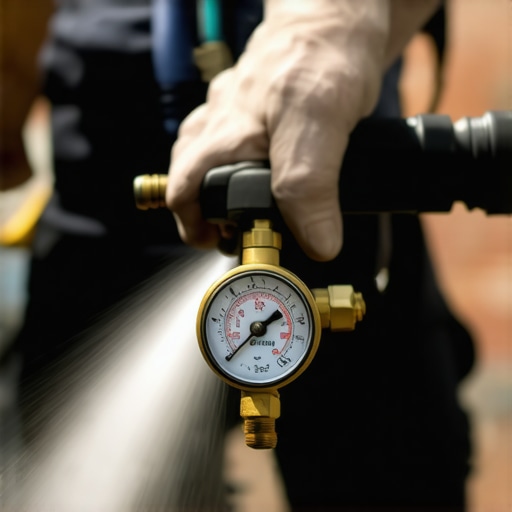 Maintaining your power washer is essential for consistent, professional cleaning performance. Regularly inspecting hoses, nozzles, and connections helps prevent unexpected breakdowns and ensures optimal pressure delivery. I personally keep a detailed maintenance log and schedule routine checks every 50 hours of use, focusing on replacing worn seals and cleaning filter screens—the small investments that pay off by extending your equipment’s lifespan. Using high-quality detergents and flowmeters, such as the FloJet D-Series, allows for precise control and reduces strain on your machine, especially when tackling diverse surfaces. In the upcoming years, trend predictions point toward integrated digital monitoring systems, enabling real-time diagnostics and predictive maintenance—adapting cutting-edge tech ensures you’re always ahead of potential issues.
How do I maintain my power washing tools over time?
Frequent lubrication of moving parts, proper storage in dry, sheltered locations, and flushing the system with fresh water after each use are key practices. I also recommend using solvent-based lubricants on nozzle tips and seals, which you can find in specialized cleaning kits like the PowerWash Pro Maintenance Pack. For durability, choose equipment with stainless steel or corrosion-resistant components; these resist wear from harsh chemicals and weather exposure. To optimize your longevity and results, explore our detailed guide on ultimate equipment tips for power washing success. Incorporating a maintenance checklist and investing in the right tools, like the Gilmour Jet Stream hose reel, makes routine care straightforward and effective. Don’t forget, consistent upkeep not only prevents costly repairs but also guarantees your equipment operates at peak efficiency, cutting your cleaning time and effort. For a comprehensive approach, employ proven techniques from industry experts, such as the method outlined by GxonTech’s technical manual on maintaining high-pressure units, which emphasizes sealing and pressure regulation. I highly recommend trying the advanced tip of integrating flow control valves to fine-tune water pressure during delicate jobs—this small upgrade can drastically improve your results and safeguard your equipment.
The Hardest Lesson I Learned About power washer,power washing,powerwash
One valuable insight came from realizing that more pressure isn’t always better. Early on, I believed cranking the pressure would leave surfaces spotless, but I quickly learned that delicate surfaces require finesse, not force. Understanding surface variability and adjusting accordingly prevents damage and yields professional results.
3 Myths About power washer,power washing,powerwash That Held Me Back
For a long time, I was convinced that a wider spray angle always meant less cleaning power. Turns out, choosing the right nozzle for the job, not just the broadest spray, is key. Dispelling this myth opened my eyes to more precise and effective cleaning techniques, saving time and scratch-free surfaces.
What Experts Won’t Tell You About power washer,power washing,powerwash
I discovered that proper maintenance often goes unnoticed. Regularly inspecting hoses, nozzles, and filters isn’t glamorous, but it guarantees peak performance and extends equipment lifespan. This behind-the-scenes effort makes all the difference in consistent results, and it’s an insider secret among seasoned professionals.
My Essential Toolkit for power washer,power washing,powerwash
Through trial, error, and advice from industry veterans, I trust high-quality nozzles like the Karcher Turbo Nozzle for versatile power and durability. A good surface cleaner, such as the Simpson Cleaning Surface Cleaner Pro, dramatically improves efficiency. For delicate spots, a soft-bristle brush from Crown Tool Co. has been a game-changer. These tools give me confidence and consistency, transforming my power washing experience.
Where to Go from Here
To elevate your power washing game, I recommend exploring comprehensive guides like effective power washing tools and strategies for lasting results in 2024 and ultimate equipment tips for power washing success. Continuous learning, combined with the right tools and techniques, keeps you ahead of the curve. Remember, mastery comes from practice and curiosity—keep experimenting and refining your approach to achieve that professional finish every time.