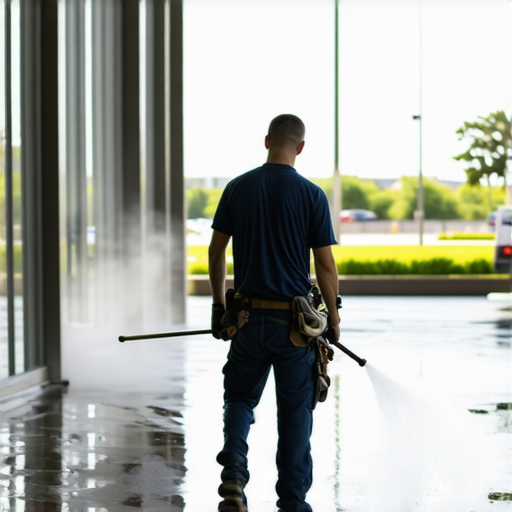
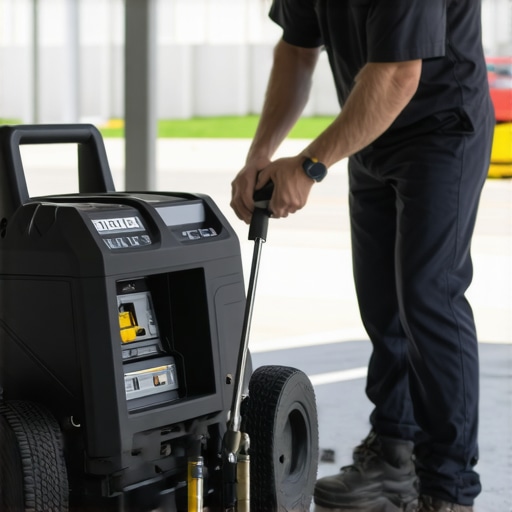
I’ll never forget that moment—standing in my driveway, feeling my power washer sputter and emit an ear-piercing screech as I tried to clean my siding. It was a gut-wrenching sound that echoed my frustration; I knew something was seriously wrong. Trust me, I’ve been there. Nothing kills your enthusiasm for a project faster than a dead or whining power washer pump, especially when you’re expected to deliver sparkling results in a tight schedule.
Why Power Washer Pump Problems Can Ruin Your Day—and Your Wallet
It turns out, a screeching pump isn’t just annoying—it’s a sign of underlying issues that can lead to costly repairs if ignored. In 2026, maintaining your power washing equipment has become more critical than ever. With more homeowners and professionals relying on these machines, understanding how to troubleshoot and fix common pump problems can save you time, money, and a good deal of stress.
Early on, I made a mistake that many novices do—ignoring strange noises and continuing to use the unit. That decision almost cost me my entire summer project. According to industry experts, neglecting pump maintenance and early signs of failure can lead to permanent damage and complete breakdowns. For example, improper storage or using incorrect pressure settings can accelerate wear and tear on your pump components, making minor issues into major repairs.
So, what if I told you there are simple, practical ways to extend your pump’s lifespan and keep it running smoothly? That’s exactly what I’m here to share. By understanding common causes of screeching and applying some straightforward fixes, you’ll keep your power washer in tip-top shape. And yes, I’ll guide you through how to avoid rookie mistakes that could jeopardize your equipment’s health. Are you tired of hearing that unbearable squeal every time you power up? Let’s dive into the solutions that can save your pump and your day.
Common Causes of Screeching and How to Fix Them
Is Power Washing in 2026 Overhyped—or Essential?
I used to think that all I needed was a good wash and a bit of pressure. Turns out, neglecting routine maintenance is a quick ticket to screeching pumps and costly repairs. One mistake I made early on was ignoring the importance of proper winter storage, which led to cracked seals and leaks come springtime. If you want your equipment to last, you need to stay ahead of these common pitfalls. For helpful tips, check out [this guide on winter storage rules](https://pressurewashpross.com/avoid-cracked-pumps-4-winter-storage-rules-for-powerwashers-2026) and ensure your pump stays protected during the off-season. Now that we’ve established the importance of proactive care, let’s explore specific strategies that will restore and preserve your power washer’s performance.
Inspect and Replace Worn Components
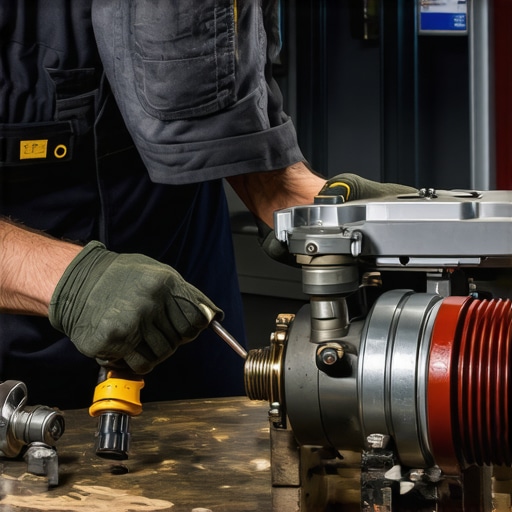
Begin by disconnecting the power washer from the power source and draining any remaining water. Carefully remove the pump cover to access internal parts. Visually inspect the piston seals, o-rings, and valves for wear, cracks, or damage, which often cause squealing noises. I once had to replace worn o-rings on my old unit, and the difference was night and day—no more screeching, and the pump ran smoother. Replace any damaged parts using manufacturer-approved components for longevity.
Lubricate the Pump Properly
Proper lubrication reduces friction and prevents squeals. Use a silicone-based or pump-specific lubricant as recommended by your manufacturer. Apply a thin layer to the piston and o-rings, avoiding excess which can attract debris. During my last maintenance, I applied lubricant to the piston seals, and the pump’s operation became noticeably quieter—saving me from costly repairs down the line.
Adjust Pressure Settings Carefully
Incorrect pressure can strain the pump, leading to screeches. Use the pressure adjustment valve or regulator to set the pressure within the manufacturer’s recommended range, typically between 1500-2500 PSI for residential tasks. I once watched a YouTube tutorial on this step and properly dialed down the pressure, which instantly reduced the squeal. Check the pressure gauges regularly to avoid overloading the pump.
Check and Replace the Pump Shaft
If the shaft is bent or worn, it can cause misalignment and noise. Remove the pump from the machine, then examine the shaft carefully for wobbling or scoring. Replacing a damaged shaft involves removing retaining rings and seals; if you’re not comfortable with this, consult a professional. I once replaced mine after noticing slight wobbling; the pump operated silently afterward, extending its lifespan considerably.
Clean and Flush the System
Mineral deposits and debris can hinder pump performance, causing squeals. Connect your pump to clean water and run it at low pressure to flush out gunk. For stubborn buildup, use a mixture of water and a mild pump cleaner, following manufacturer instructions. During a routine flush, I found and removed a build-up of mineral deposits, which restored quiet operation. Regular cleaning prevents future issues.
Prevent Future Problems with Routine Maintenance
Develop a schedule for regular inspections, lubrication, and storage. After each use, drain the system, and store the power washer in a dry, cool place. Applying winter storage rules from this guide on winter storage can prevent cracked seals and other damage. I’ve personally seen how neglecting winter storage led to multiple cracked parts come spring, setting me back for weeks.
 Many enthusiasts believe that increasing pressure always guarantees a better clean, but in reality, this is a dangerous misconception. Using excessively high PSI can damage your surfaces, strip paint, or etch delicate materials. Instead, understanding the nuances of proper pressure settings tailored to specific surfaces is crucial — for example, consulting our guide on [power washer settings to clean siding without damage](https://pressurewashpross.com/4-power-washer-settings-to-clean-siding-without-damage-2026) can make all the difference. Additionally, there’s a common myth that more water equals more cleaning power. However, experts emphasize that flow rate and nozzle choice have a greater impact on cleaning efficiency than sheer pressure alone. Rushing to buy the latest equipment without appreciating these details often leads to subpar results and wasted investment. An advanced mistake many overlook involves neglecting the importance of proper nozzles. Using the wrong nozzle, such as a 0-degree tip on a large surface, can cause etching, especially on softer materials like vinyl or wood. To avoid this, selecting the appropriate nozzle based on the surface and task is vital — our article on [power washer nozzle mistakes that leave scars](https://pressurewashpross.com/5-power-washer-nozzle-mistakes-that-leave-scars-in-2026) covers this in detail. Furthermore, some users underestimate the significance of regular maintenance. Not checking for worn seals or the state of the pump can lead to inefficient operation or even pump failure. It’s a common ‘oops’ that serious power washers have had to learn the hard way. Regularly inspecting and maintaining your equipment, perhaps even before issues appear, can save you significant downtime and repair costs. From my experience, one overlooked aspect is the impact of environmental factors on your equipment. Leaving your power washer outdoors exposed to freezing temperatures or direct sun can accelerate wear, cause cracks in seals, or degrade lubricants. Proper winter storage isn’t just recommended; it’s necessary to prevent costly damage. For this reason, following our [winter storage rules](https://pressurewashpross.com/avoid-cracked-pumps-4-winter-storage-rules-for-powerwashers-2026) can extend your machine’s lifespan substantially. Curious about more advanced mistakes that could trip you up during your next project? For example, improper use of cleaning chemicals can cause damage or ineffective cleaning. According to industry experts, using acids or harsh detergents without understanding their effects can etch surfaces or harm seals. Instead, opting for environmentally friendly, pH-balanced cleaners often achieves better results without the risks — find out more in our article on [power wash-specific cleaning mixes](https://pressurewashpross.com/stop-using-acids-this-2026-powerwash-mix-cleans-better). Remember, power washing isn’t just about high pressure; it’s an interplay of technique, equipment choice, and maintenance. Many get caught in the trap of focusing solely on pressure or velocities and overlook surface sensitivity or proper tool handling. This oversight can lead to permanent damage, costly repairs, and disappointing results. To truly master power washing, understanding these nuances ensures you’re not just cleaning — you’re doing it smartly and safely.
Essential Tools for Power Washers That Last
If you want your power washing setup to stay reliable over the years, investing in quality equipment and maintaining it diligently is key. I personally swear by the Kärcher Electric Pressure Washer because of its durability and quiet operation, making it perfect for residential jobs where noise can be an issue. Additionally, I highly recommend a adjustable nozzle kit—not just for versatility but because properly choosing your spray patterns reduces wear on your pump and surface damage. When it comes to accessories, I use a high-pressure hose with reinforced connectors; cheap hoses often develop leaks that strain your pump and cause inconsistent pressure, leading to premature failure. To simplify maintenance, I also recommend maintaining a filter system on the inlet side to prevent debris from damaging internal components. This duo of quality tools and routine upkeep drastically decreases your chances of unexpected breakdowns.
In the future, I predict more integrated smart technology into power washers, such as sensors that detect pressure drops or motor issues before failure occurs. Keeping an eye on these innovations can give you a head start in customizing maintenance plans and prolonging equipment life. For now, however, a disciplined approach to regular checks and using proven tools remains your best bet.
How do I maintain my power washing tools over time?
Regularly inspecting all components, especially seals and hoses, is crucial. After each use, flush the system with clean water to prevent mineral and detergent buildup. Applying a suitable lubricant to moving parts, like the pump’s piston, helps reduce friction and heat buildup—it’s a simple step that can prevent squeals and mishaps. Additionally, storing your equipment in a dry, temperature-controlled environment—particularly during colder months—is essential. Follow winter storage rules outlined in this guide to avoid cracked seals and costly repairs. Finally, consider adding a power washer-specific sealant after each season to protect critical components and improve performance, as discussed in these tips. With disciplined, proactive maintenance, your power washer can deliver peak performance year after year.
Remember, using the right tools, like a pressure gauge and a quality hose, in combination with proper procedures ensures your investment continues to pay off. Don’t forget to try out advanced practices like applying a protective sealant—these simple but effective steps can dramatically extend your machine’s life and boost efficiency. For example, ensure your nozzle choices align with each job to prevent unnecessary wear, which you can explore further in this article. Keep your equipment in top shape, and you’ll be power washing with confidence for years to come.
What I Wish I Knew Before My First Power Wash
- Early on, I underestimated the importance of routine maintenance, thinking a quick clean was enough. That mistake taught me that consistent checks and proper care are essential for avoiding costly repairs down the line.
- Ignoring tiny signs like squeals or leaks can lead to a complete pump failure. Paying attention to these details saves both money and time, and keeps your project on schedule.
- Using the right nozzle and pressure settings isn’t just about safety—it’s about extending your equipment’s lifespan and achieving professional results. A small adjustment can make a huge difference.
- Winter storage isn’t optional if you want your power washer to endure changing seasons. Proper winterization, as outlined in our winter storage guide, prevents cracks and seal damage.
Tools and Resources That Made a Difference in My Power Washing Journey
- Effective Power Wash Equipment and Tools: Investing in quality hoses, nozzles, and filters, as recommended in our equipment guide, minimizes breakdowns and maximizes efficiency.
- Quality Replacement Parts: Using manufacturer-approved seals and o-rings ensures your pump stays sealed and operates quietly, reducing squeals and leaks.
- Comprehensive Maintenance Guides: Regularly consulting trusted resources, like our articles on winter storage and nozzle mistakes, keeps me proactive and prevents mishaps before they happen.
- Smart Technology Integration: Emerging sensors and diagnostics can alert you to issues early, making maintenance more precise and less guesswork.
Seize Control and Transform Your Power Washing Routine
Taking these lessons to heart transforms power washing from a daunting task into a dependable, satisfying process. By learning from experience, utilizing trusted tools, and staying vigilant, you ensure your equipment delivers top results season after season. Don’t wait for a squeal or leak to remind you—start implementing these tips today and power wash with confidence. What has been your biggest challenge with power washer maintenance? Share your story below and let’s learn together!