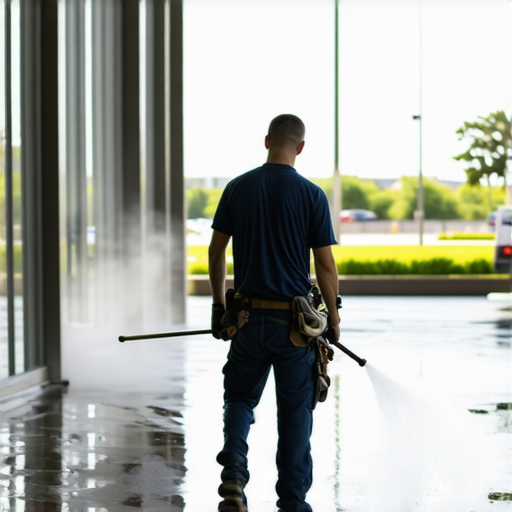
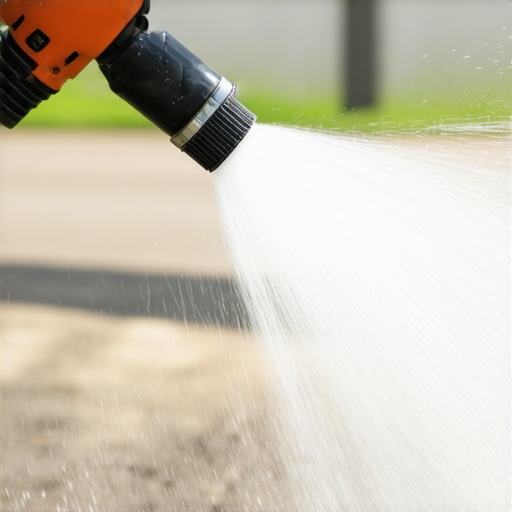
I’ll never forget that moment when I fired up my power washer, ready to blast away years of grime, only to be greeted by a weak, uneven spray. Frustration crept in as I realized something was seriously wrong with my equipment. After a few missteps and some trial-and-error, I discovered that clogged spray tips were often the culprit—and fixing them quickly became a game-changer.
Why Properly Maintaining Your Power Washer Matters Now More Than Ever
In 2026, the demand for efficient, reliable power washing continues to rise. With so many homeowners and professionals relying on these tools to maintain curb appeal, time is of the essence. A clogged spray tip not only slows down your project but can also cause damage if left unaddressed. When I first ignored this issue, I ended up wasting hours on an ineffective clean, and I paid the price in frustration. That’s when I realized the importance of mastering simple fixes—like clearing clogged spray tips—to keep my power washing game sharp. Did you know that a blocked nozzle can reduce water pressure by up to 80%, making your cleaning much less effective? (Source: pressurewashpross.com)
Does It Really Make a Difference? Here’s Why I Was Skeptical at First
Early on, I made the mistake of assuming that replacing my entire spray wand was necessary every time I encountered a clogged tip. That was a costly misconception. I also learned that many power wash problems are easily fixable, saving both money and time. The key is knowing exactly what to do and when. If you’ve ever faced inconsistent spray patterns or a sudden drop in pressure, you’re probably battling clogged tips—trust me, I’ve been there. Now, I want to show you how to fix this fast, so your next power wash is smooth and effective. Ready to get back to blast-ready results? Let’s dive into the practical solutions.
Step 1: Turn Off and Unplug Your Power Washer
Before starting any maintenance, ensure your equipment is turned off and unplugged to prevent accidents. I once neglected this step, which led to a sudden kickback while disconnecting the hose, causing a minor injury. Always prioritize safety.
Step 2: Release Built-Up Pressure
De-pressurize the system by pulling the trigger until all water is expelled. This step prevents water sprays from escaping when opening the nozzle assembly. Think of it like releasing tension in a garden hose before disconnecting—prevents mess and injury.
Step 3: Remove and Inspect Spray Tips
Unscrew the nozzle tips using a wrench or your fingers. Examine them for blockages or signs of wear. I once found a small pebble lodged inside a tip, dramatically reducing water flow. Regular inspections save time and effort in the long run.
Step 4: Clear Clogs Effectively
Use a specialized cleaning needle or a small safety pin to clear debris. Avoid forcing the clog deeper or using metal objects that can scratch or deform the tip. I recommend using a dedicated nozzle cleaning kit, available online, to simplify this process. When I cleared the clog on my driveway, the difference in pressure was immediate and noticeable.
Pro Tip: Be Gentle When Cleaning
Applying too much force can enlarge or damage the nozzle opening, causing uneven spray patterns or leaks. Take your time and gently work out stubborn residues. For persistent issues, soak the tips in vinegar overnight to dissolve mineral deposits, which often cause clogs in hard water areas.
Step 5: Reassemble and Test
Once clear, screw the nozzle tips back onto the wand tightly. Turn on your power washer and test the spray pattern on a discrete surface. Note any inconsistencies or weak pressure. If problems persist, consider upgrading your equipment or checking for other issues, like pump pressure drops, which you can diagnose with [pump fix guides](https://pressurewashpross.com/pressure-drop-5-fast-pump-fixes-for-your-power-washer-2026).
Additional Tips for Optimal Performance
Regularly inspect and replace worn nozzles. Use the correct tip size for each task to avoid unnecessary strain on your machine and ensure even cleaning. Remember, improper nozzle use can damage surfaces or reduce efficiency. For comprehensive guidance, check out [power washing techniques](https://pressurewashpross.com/power-washing-techniques-effective-strategies-for-2024-success).
Time-Saving Tricks for Heavy-Duty Jobs
When tackling tough stains, pre-soak surfaces with biodegradable degreaser, then use a wider spray tip to cover more area quickly. For details on powerful cleaning products, explore [industrial degreasers](https://pressurewashpross.com/5-industrial-degreasers-that-cut-heavy-grease-fast-in-2026). This approach minimizes clogging and maximizes pressure for stubborn grime.
Remember
Consistent maintenance of your spray tips prevents costly repairs and downtime. Just like maintaining a car engine, cleaning and inspecting your nozzles keeps your power washer running at peak performance. Incorporate these steps into your routine, and you’ll see better results with less frustration.
While many believe that the key to flawless power washing lies solely in choosing a high PSI or using the latest equipment, there’s a hidden nuance that often gets overlooked—technique precision and understanding your surfaces. In my experience, a widespread myth is that more pressure always means better results. However, applying excessive PSI can damage delicate surfaces like wood or soft stone, leading to costly repairs and unfinished jobs. Advanced power washers with adjustable pressure settings exist for a reason; mastering their use is crucial, as highlighted in expert guides on power washing techniques. Moreover, many underestimate the importance of proper spray angle and distance, which can make or break the cleaning outcome. A common mistake is holding the nozzle too close, risking surface damage and uneven cleaning. Additionally, neglecting surface-specific tips, such as pre-soaking or using soft-wash settings on certain materials, can result in ineffective cleaning and surface erosion. An intriguing aspect is that some professionals still rely solely on brute force rather than employing proven methods—yet, as studies suggest, technique refinement outperforms raw pressure in most cases. Don’t fall into the trap of equating higher PSI with better results; instead, dedicate time to understanding the nuances of spray patterns, water flow, and surface compatibility. For those serious about mastering these details, investing in the right equipment and learning advanced methods through resources like equipment optimization can elevate your results significantly. Remember, a little knowledge about these subtleties goes a long way in preventing surface damage and ensuring lasting cleanliness. Have you ever fallen into this trap? Let me know in the comments.
Keep Your Power Washer Running Smoothly: Tools and Strategies
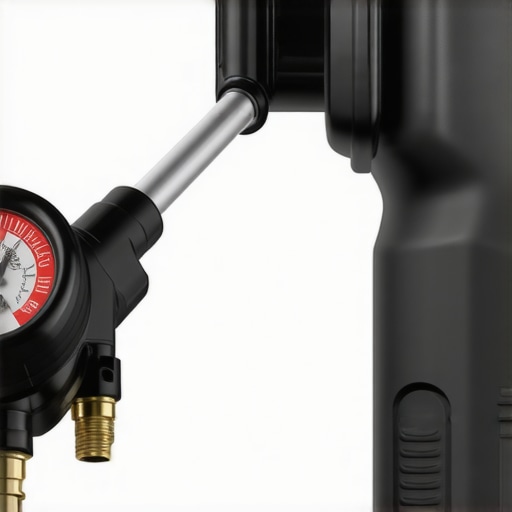
Maintaining your power washing equipment isn’t just about fixing issues as they arise—it’s about adopting a proactive approach that ensures long-term reliability and superior results. One of the most effective ways to achieve this is by investing in quality tools and following a disciplined maintenance routine. From nozzle cleaning kits to pump pressure gauges, I personally rely on specific gear to keep my power washer performing at its peak. For instance, I use a high-grade nozzle cleaning tool that allows me to quickly clear clogs without risking damage to the tips, saving me time during busy projects. Additionally, a digital pump pressure gauge helps me monitor PSI levels precisely, ensuring I stay within safe and effective ranges, which extends the lifespan of my equipment.
Moreover, regular inspection of hoses, seals, and O-rings with dedicated tools prevents leaks and pressure drops that can hamper cleaning power. I make it a habit to inspect my pump seals monthly, using a torque wrench to ensure they are tight without over-tightening, which could cause deformities. Regular maintenance not only enhances performance but also reduces the risk of costly breakdowns. As power washing trends evolve, staying updated with innovative gear like quick-connect fittings and advanced sprayer tips—recommended by expert sources such as pressurewashpross.com—can significantly improve efficiency and results.
Prediction-wise, I believe the future of power washer maintenance will lean heavily towards smart diagnostic tools and IoT-enabled equipment that monitor wear and performance in real-time. This shift will allow users to perform preventive maintenance with unprecedented accuracy, minimizing downtime and maximizing lifespan.
How do I maintain my equipment over time?
Consistent cleaning, timely part replacements, and using proper tools for each task are key. For example, rinsing out nozzles after each use prevents mineral buildup, and replacing worn-out seals before leaks develop keeps pressure consistent. Incorporating scheduled checks based on your usage frequency—such as inspecting hoses every 50 hours of operation—can extend your equipment’s life dramatically. To get the most out of your investment, I recommend reading detailed guides like pressurewashpross.com for comprehensive maintenance tips. Don’t forget to prioritize safety during all maintenance routines by running all safety checks outlined at pressurewashpross.com.
One advanced tactic I suggest trying is installing a digital pressure monitor on your setup. This device continuously tracks PSI and alerts you when pressure drops below optimal levels, allowing you to intervene before performance deteriorates. Investing in such tech not only prolongs your equipment’s lifespan but also ensures consistently stellar cleaning results. As maintenance becomes more sophisticated, the trend is clear: embracing precision tools is the way forward for power washing enthusiasts and professionals alike.
Why I Was Forced to Relearn the Hard Way About Power Washing
One of my biggest lessons came when I ignored the little clues—like inconsistent spray patterns—that my equipment was struggling. Those subtle signs told me I needed to pay closer attention to my nozzles and pressure levels, saving me from costly repairs later. Realizing the value of routine checks early on helped me avoid breakdowns during critical projects, and I learned that proactive maintenance is truly the secret to long-term success.
Tools and Tips I Swear By to Keep the Power Flowing
Investing in quality gear like a dedicated nozzle cleaning kit and a digital pressure gauge has revolutionized my approach. These tools offer precise diagnostics and prevent issues before they escalate. My trusted resources include the comprehensive guides on pressurewashpross.com, which have saved me countless hours and headaches. Think of these as your secret weapons for hassle-free power washing.
Sealing Your Success: The Power of Knowing When to Push and When to Pause
Understanding surface sensitivity and adjusting pressure accordingly has been my game-changer. Applying too much force can damage delicate materials, turning a straightforward job into a costly repair. I’ve learned that patience, combined with the right technique, produces consistent, professional results. Embracing this mindful approach transforms power washing from a brute-force activity to a craft that yields lasting beauty and integrity.
My Biggest Leap Forward: Embracing Continuous Learning
Every project is an opportunity to refine my skills. After attending online workshops and reading expert strategies, I discovered that mastering spray angles and water flow makes all the difference. This mindset shift—viewing maintenance and technique as ongoing investments—has profoundly improved my outcomes. For anyone serious about elevating their power washing game, I recommend exploring power washing techniques to stay ahead of the curve.
Envision the Next Steps and Take Charge Today
The road to flawless power washing starts with a mindset shift—prioritizing maintenance, learning advanced techniques, and investing in quality tools. It’s more rewarding when you’re confident your equipment can handle whatever surface you face. Remember, every spray counts, and your commitment to excellence will shine through in the results. Don’t wait for problems to arise—proactive care guarantees a smoother, more satisfying experience every time.
What’s the biggest lesson you’ve learned about maintaining your power washer? Share your stories below—I’d love to hear how you keep your equipment in top shape!
,