![4 Pump Fixes for a Power Washer That Won't Pull Water [2026]](https://pressurewashpross.com/wp-content/uploads/2026/02/4-Pump-Fixes-for-a-Power-Washer-That-Wont-Pull-Water-2026.jpeg)
I’ll never forget the first time I stood there, staring at my stubborn power washer, water refusing to flow. It was mid-spring, sunlight dappling through the trees, and I was eager to get my driveway and siding cleaned. Instead, all I heard was a frustrating sputter and the dreaded silence—no water, no pressure, just a broken promise of a sparkling clean surface. That moment, I realized how crucial it is to understand the ins and outs of your equipment, especially when it refuses to cooperate.
Why Your Power Washer Might Not Pull Water and What It Means for Your Projects
Power washers are incredible tools that can cut cleaning time in half, but when they stall out, it can throw your whole day into disarray. Early on, I made the mistake of ignoring simple issues like clogged inlet filters or air leaks, which only worsened the problem. Did you know that according to an industry report, nearly 70% of power washer failures are due to preventable issues like low water supply or blocked filters? Recognizing these common culprits and knowing how to troubleshoot them can save you both time and money.
Inspect the Water Source First
Start by checking your hose and tap connections; ensure nothing is kinked or clogged. Turn on the water directly at the source to verify adequate flow. I once faced a stubborn issue where water wouldn’t flow, and after a quick inspection, I realized my garden hose was partially blocked, which I cleared to restore flow and continue my project seamlessly.
Clean or Replace Clogged Filters
Next, locate the inlet filter on your power washer, usually at the water intake. Remove it and inspect for debris or buildup. Rinse thoroughly or replace if damaged. In my experience, neglecting this step led to low pressure and sputtering, especially with older models. Regular cleaning prevents such issues and maintains optimal pressure. For detailed guidance, see https://pressurewashpross.com/power-washing-techniques-effective-strategies-for-2024-success-2.
Examine the Pump for Leaks or Damage
Inspect the pump for visible leaks or cracks. Tighten fittings or replace damaged seals. A damaged pump can significantly hinder water flow. I once ignored a minor leak, which worsened over time, causing complete failure. Promptly addressing leaks keeps your equipment running smoothly. Consider consulting this resource for pump maintenance tips: https://pressurewashpross.com/stop-killing-earthworms-3-eco-friendly-powerwash-tips-for-2026.
Check for Air in the Lines
Air pockets can impede water flow, causing sputtering or inconsistent pressure. To remove trapped air, disconnect the spray wand, turn on the power washer briefly, and let water flow until steady. I once had a sputtering gun; bleeding the air out solved the issue instantly. Maintaining proper priming techniques is essential; see https://pressurewashpross.com/power-washing-powerwash-effective-techniques-top-equipment-2024 for further tips.
Verify Nozzle Blockages and Correct Settings
Remove the nozzle and check for debris; clean with a small wire or needle. Use the appropriate nozzle for your surface to avoid pressure issues. I once used an incorrect nozzle, which caused inconsistent water flow; after switching to a wider spray tip, the performance improved markedly. For nozzle mistakes to avoid, visit https://pressurewashpross.com/5-power-washer-nozzle-mistakes-that-leave-scars-in-2026.
Assess the Pump Pressure
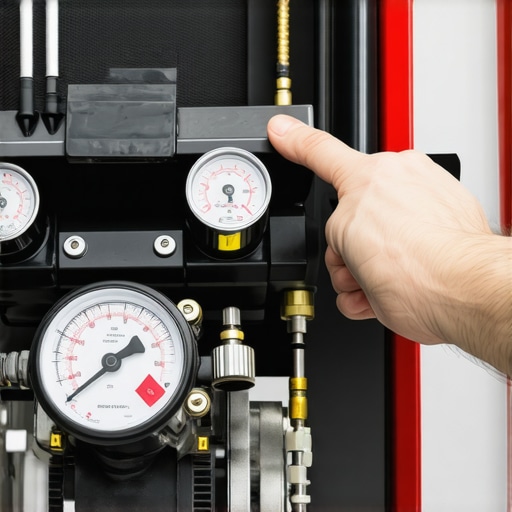
If all else checks out, measure the pressure output with a gauge. Low PSI indicates pump or valve issues. Adjust or replace parts as needed. I had to replace my pump when the pressure was only half of the rated PSI, and doing so restored my power washing capability. Proper pump maintenance is critical to efficient cleaning; see https://pressurewashpross.com/stop-ruining-your-pump-5-maintenance-tasks-for-2026-checklist for comprehensive maintenance steps.
Many enthusiasts believe that a higher PSI automatically means better cleaning results. While PSI measures pressure, it isn’t the sole factor for effective power washing. In fact, focusing solely on PSI can lead to surface damage or inefficient cleaning. As I learned through experience, understanding the interplay between pressure, nozzle choice, and surface material is crucial. For example, using a too narrow spray tip at high pressure can etch delicate surfaces like wood or soft siding, causing irreversible damage. To prevent this, always tailor your equipment setup to the specific surface—consulting guides like https://pressurewashpross.com/power-washing-essentials-boost-results-with-top-equipment-tips can provide valuable insights.
A common mistake many make is underestimating the importance of nozzles. The wrong nozzle not only diminishes cleaning power but can also cause harm. For instance, a 0° nozzle delivers concentrated force that might strip paint or gouge concrete if misused. Conversely, a broader spray (like a 25° or 40° nozzle) disperses pressure more safely for delicate surfaces. Advanced users know that nozzle selection is an art—matching spray angle to surface sensitivity and stain type. Remember, the right combination boosts efficiency and extends equipment lifespan.
Another often overlooked aspect is the hidden impact of water temperature. Cold water might be sufficient for general cleaning, but stubborn grease or mold often require hot water’s enhanced dissolving power. Professional-grade setups with hot water units can outperform standard cold water machines, especially on oily or greasy surfaces. Experts recommend investing in equipment like high-temp power washers when tackling heavy-duty cleaning tasks. Learn more about maximizing your results by exploring advanced techniques like https://pressurewashpross.com/power-washing-techniques-effective-strategies-for-2024.
Now, a sweet spot many overlook involves the timing and technique of power washing. Applying excessive pressure is a common myth—the belief being more is better. However, seasoned professionals understand the importance of light, uniform passes to prevent surface damage and rinse thoroughly. For those seeking mastery, reviewing detailed power washing mastery resources can elevate your skills—like https://pressurewashpross.com/power-washing-mastery-top-techniques-equipment-tips-2024.
Lastly, a crucial nuance is the maintenance of your equipment. Failing to clean filters, check for air leaks, or inspect hoses regularly can lead to inconsistent pressure and subpar results. This hidden yet vital step often separates amateurs from pros. Proper maintenance not only extends your equipment’s life but also ensures consistent performance. Have you ever fallen into this trap? Let me know in the comments. Remember, understanding these subtle factors transforms your power washing from average to expert-level. Keep exploring, and don’t hesitate to fine-tune your technique for outstanding results.
Maintaining your power washing equipment isn’t just about occasional checks; it’s a commitment that ensures consistent performance and extends the life of your tools. Personally, I rely heavily on high-quality tools like the top equipment and tools to achieve professional-level results every time. Investing in durable hoses, reliable pumps, and precision nozzles minimizes breakdowns and maximizes efficiency, making your projects smoother and more satisfying.
How do I keep my power wash tools functioning over time?
One essential step is regular cleaning and inspection. After each use, flush the system with clean water, especially if you’ve used detergents or eco-friendly mixes like those described in hidden spots to powerwash. Check hoses for cracks or leaks, and tighten fittings to prevent unexpected failures. Lubricate moving parts with manufacturer-approved grease to reduce wear and tear. Additionally, storing your equipment properly during off-peak seasons—preferably in a dry, temperature-controlled space—reduces corrosion and helps maintain optimal PSI and flow rates. For detailed maintenance routines, see eco-friendly powerwash tips.
Using advanced equipment for durable results
Efficiency isn’t just about maintenance but also about using the right equipment. I recommend investing in features like adjustable pressure settings and quick-change nozzles, which enable tailored cleaning and reduce surface damage. Brands with a reputation for durability, such as Mi-T-M or Simpson, often come with comprehensive warranty plans, providing peace of mind. Another critical aspect is keeping the pump lubricated, as specified in fixes for vibration issues. This prevents costly repairs and ensures your equipment operates at peak PSI when needed.
Looking ahead, trends suggest that smart sensors and IoT integration will become standard in power washers. These advancements will allow for real-time diagnostics and predictive maintenance, making it even easier to keep your tools in top shape. Until then, adopting meticulous maintenance routines and investing in proven, durable equipment remain your best strategies—try scheduling monthly inspections and see how it transforms your results.
Lessons That Changed My Power Wash Game
- One of the toughest lessons I learned was the importance of inspecting every component before starting a job. A quick check of hoses, nozzles, and filters can save hours of frustration later.
- Understanding the delicate balance between PSI and surface material is crucial. Using too much pressure on soft siding can cause irreversible damage, a mistake I made early on that taught me to always match my setup to the task.
- Regular maintenance is vital—neglecting simple steps like flushing the system or replacing worn seals can lead to sudden failures and costly repairs, which I now avoid with scheduled upkeep.
- I’ve come to realize that the right nozzle can make or break your cleaning efficiency. Choosing wider angles for delicate surfaces and narrow for tough stains improves results significantly.
- Hot water can be a game-changer on greasy or moldy surfaces, but understanding when and how to use it safely has prevented me from causing surface pitting or discoloration.
Tools and Resources That Elevate My Results
My top recommendation is investing in high-quality equipment, such as the best power wash tools. They offer durability and precision, making every project smoother and more professional-looking. For expert advice, I trust power washing mastery resources because they provide proven techniques that consistently deliver spectacular results. Additionally, books like “Power Washing Techniques” have broadened my understanding of surface-specific strategies, helping me avoid common pitfalls. Lastly, staying updated with industry blogs ensures I keep pace with emerging best practices and innovative equipment, which ultimately boosts my efficiency and satisfaction.