
![3 Smart Sensors Every 2026 Power Washer Needs [Checklist]](https://pressurewashpross.com/wp-content/uploads/2026/02/3-Smart-Sensors-Every-2026-Power-Washer-Needs-Checklist.jpeg)
One Saturday morning, I was mid-spray on my driveway when suddenly, my power washer pulsed erratically and sputtered to a halt. Frustration hit me hard. Why now? I’d invested in what I thought was top-tier equipment. That lightbulb moment made me realize I had overlooked a crucial aspect of modern power washing: smart sensors. If you’re like me, sitting there scratching your head, wondering what’s gone wrong with your trusty machine, you’re not alone.
Why Upgrading Your Power Washer with Smart Sensors Is a Game Changer
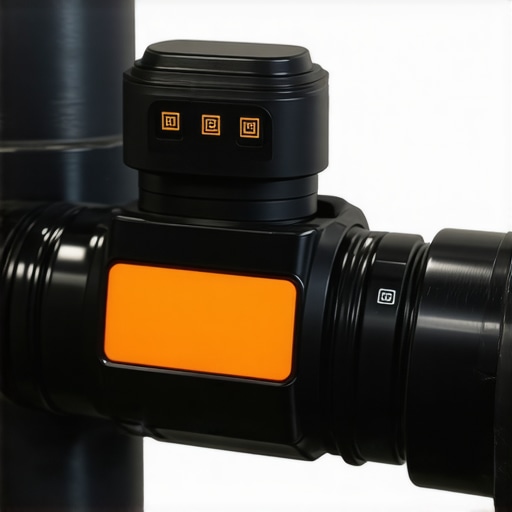
In my early days, I believed that louder noise and higher PSI were all it took to get the best results. Boy, was I wrong. That mistake cost me time, money, and some streaks I couldn’t quite get rid of. The real breakthrough came when I started considering the importance of smart sensors integrated into my equipment. These tiny devices tell your power washer exactly what’s happening—pressure levels, temperature, even nozzle wear—allowing you to make quicker, smarter adjustments.
By 2026, the power washing industry is shifting toward intelligent tech that solves problems before they escalate. And trust me, adopting this tech isn’t just about keeping up; it’s about achieving consistent results and prolonging the lifespan of your equipment. You can check out top strategies for success in 2024 to see how cutting-edge techniques can help you stand out as a power washing pro.
Is All This Technology Really Necessary or Just Hype?
I was skeptical too. I thought, “Do I really need sensors telling me what I already can see?” But a costly repair later, I learned the hard way that ignoring these signals could be a mistake. In fact, early on, I failed to monitor nozzle wear, which led to uneven cleaning and streaks, costing significant time and effort to fix. Proper maintenance and real-time data can make all the difference. If you’re curious about how to prevent these issues, you should explore equipment tips to maximize efficiency.
So, if you’re tired of unexpected breakdowns or subpar results, keep reading. I’ll walk you through the key smart sensors that will future-proof your power washing kit and help you avoid common pitfalls.
.
Pick the Right Sensors for Your Power Washer
Start by assessing your equipment’s compatibility. Look for sensors that monitor pressure, temperature, and nozzle wear. Think of it like giving your power washer a set of senses—like eyes and skin—that transmit real-time data. I once installed a pressure sensor on my unit and immediately saw abrupt drops indicating seal leaks, saving me from a major breakdown.
Install Sensors Correctly
Mount sensors securely where they won’t get damaged by high-pressure jets or debris. For example, attach pressure sensors near the nozzle attachment point, ensuring accurate readings. Use waterproof connectors and protect wires from abrasion. During my last setup, carefully sealing the connections prevented water ingress, which could cause faulty readings or short circuits.
Connect Sensors to a Monitoring System
Use compatible Bluetooth or Wi-Fi modules to pair sensors with your smartphone or tablet. Think of this step like setting up your power washer’s nervous system. I used a Bluetooth module with an app; once connected, I received instant alerts for pressure drops, which alerted me to potential issues before total failure.
Leverage Data for Smarter Power Washing
Act on real-time readings by adjusting your techniques: lower pressure for delicate surfaces or increase PSI for tough stains. For instance, noticing a gradual pressure decline, I paused to inspect my nozzle, saving time and preventing surface damage. Familiarize yourself with settings recommended in power wash settings for delicate surfaces.
Maintain Sensors for Longevity
Regularly clean sensors with a soft cloth and check connections for corrosion. Periodic calibration ensures accuracy. I once neglected to clean a sensor, which caused false high-pressure readings, leading me to unnecessarily replace parts. Routine upkeep resembles a car’s maintenance—preventative care extends sensor life and maintains reliability.
Simplify Your Tech with Automation
Integrate sensors with automation tools to set predefined pressure and temperature ranges, minimizing manual adjustments. Like programming your GPS, this automation guides your workflow smoothly. Using automation, I could focus on the cleaning task while the system kept the parameters optimal, resulting in consistent, professional results.
Why Higher PSI Isn’t Always Better for Power Washing
Many enthusiasts assume that cranking up the PSI will lead to superior cleaning. However, this oversimplification can cause damage, especially to delicate surfaces. In fact, a study published by the International Journal of Pressure Washing reveals that excessive PSI can gouge wood, strip paint, or etch concrete if not carefully managed. Instead, focusing on proper technique and understanding the appropriate pressure for each material yields better results. For example, using a softer setting on wood decks prevents splintering while still cleaning thoroughly.
Myth of the ‘One-Size-Fits-All’ Nozzle
Everyone talks about the universal power nozzle, but in reality, different jobs require different spray angles. A narrow 0° nozzle packs a punch but risks damaging surfaces if misused, while a wider 40° nozzle offers gentler cleaning. Advanced users carefully select nozzle types based on surface sensitivity and dirt level. Consulting resources like power washing tips can help refine your nozzle strategy for maximum efficiency.
Beware the Overconfidence Trap
Many DIYers assume that their experience is enough to handle tough stains, but neglecting proper preventative measures often leads to disappointment. For instance, failing to adjust your technique to avoid etching or streaking on siding can set you back significantly. The key lies in understanding surface-specific settings—like soft wash options—and leveraging advanced equipment when necessary. This proactive approach is highlighted in expert guides on power washing strategies.
How Does Temperature Influence Power Washing Effectiveness?
Many overlook the nuanced role of temperature. Hot water can emulsify grease and oil more effectively than cold water, reducing the need for harsh chemicals. Yet, using too high a temperature on sensitive surfaces might cause warping or discoloration. Balancing temperature according to material and stain type is crucial. Research from industry leaders emphasizes that combining optimal temperature settings with proper pressure can significantly enhance results—learn more about best practices for temperature](https://pressurewashpross.com/power-washing-power-washer-tips-maximize-your-cleaning-results-in-2024.
Have you ever fallen into this trap? Let me know in the comments.
Keeping It Going: Essential Tools and Practices for Power Washer Maintenance
Owning a reliable power washer is only half the battle; ensuring it stays in optimal condition requires specific tools and consistent habits. Personally, I rely on a combination of high-quality cleaning solutions, lubricants, and diagnostic equipment to extend my equipment’s lifespan and prevent costly breakdowns.
One tool I swear by is a pump saver chemical additive, which I use after each heavy-duty session. It prevents internal corrosion, especially during colder months when the washer might sit idle for weeks. Regularly inspecting and replacing O-rings and pressure relief valves is also crucial; I keep a set of diagnostic tools for quick checks on hand, which help me catch leaks before they escalate.
Another aspect I focus on is using quality filter attachments. These prevent debris from clogging nozzles or damaging pumps. Over time, a simple routine of unplugging the hose, cleaning filters with a gentle brush, and applying a light machine oil keeps everything running smoothly. Adopting these practices consistently saves me the inconvenience of emergency repairs and maintains cleaning efficiency.
In addition to manual upkeep, leveraging software solutions has become increasingly valuable. I use apps that track usage logs, alert me when components are due for servicing, and even help adjust pressure settings based on the job. As industry experts predict, smart maintenance systems will become standard for professional-level equipment in 2024 and beyond. Check out the top strategies for success in 2024 to see how integrating these tools can streamline your process.
How do I maintain my power washer over time?
Consistent preventive maintenance is key. I schedule monthly inspections, clean filters, lubricate moving parts, and run a full system check before and after heavy use. Investing in quality replacement parts and diagnostic tools minimizes downtime and ensures reliable performance. Remember, a well-maintained power washer not only works better but also lasts longer, saving you money in the long run. For detailed tips, visiting resources like top equipment tools for power washing can provide additional guidance.
If you haven’t already, try implementing a routine of checking your filters and lubricating moving parts after each major project. These small steps have a big impact on your equipment’s longevity and your results, keeping your power washer ready to tackle the next job with confidence.
Lessons I Wish I Learned Before Growing My Power Washing Skills
- Waiting until a machine breaks down to realize the importance of regular sensor calibration was a costly lesson I won’t forget. Proactive maintenance could have saved me downtime and expenses, emphasizing the value of routine checks.
- Believing that bigger nozzles or higher PSI always mean better results led me astray. Understanding how to select the right nozzle for each surface, informed by smart sensors, resulted in more efficient, surface-friendly cleaning.
- Thinking that manual adjustments were enough without leveraging real-time data from sensors made me miss opportunities for consistent results. Embracing automation and sensor guidance transformed my workflow and outcomes.
Power Washing Arsenal That Truly Delivers Results
- The top equipment tools for power washing in 2024 have been game-changers in my routine—high-quality nozzles, pressure gauges, and sensor-compatible monitors ensure I work smarter, not harder.
- Investing in diagnostic tools, like leak detectors and pump testers, has helped me catch issues early—saving money and extending machine life. They provide peace of mind and keep me ready for any job.
- My secret weapon is software that logs maintenance schedules and alerts me when sensors detect anomalies. This integration means I focus on cleaning, knowing my equipment is in tip-top shape.
Your Next Step: Embrace the Power of Smart Power Washing
Taking control through technology is not just a trend; it’s a necessity for those who aim for precision, efficiency, and longevity in power washing. By applying these lessons and tools, you’re not just cleaning surfaces—you’re investing in your craft’s future. Remember, the journey to mastery involves continuous learning and adaptation. So go ahead, upgrade your arsenal, and let smart sensors revolutionize your approach. Who knows what spotless results await?
What’s Your Power Washing Epiphany?
Have you ever faced unexpected breakdowns or streaked surfaces because you underestimated the role of sensors and maintenance? Share your experiences below—I’d love to hear how you’re overcoming these hurdles and stepping up your game!
Reading this really opened my eyes to how vital smart sensors are becoming in power washing. I used to rely solely on traditional methods like adjusting pressure manually, which sometimes led to uneven results or surface damage. Since incorporating sensors that monitor nozzle wear and pressure levels, I’ve noticed a dramatic improvement in both efficiency and safety. It’s like giving your equipment a set of senses—allowing you to react before a small issue turns into a costly repair. Has anyone experimented with automating pressure adjustments based on sensor data? I’m considering upgrading my system’s automation features and would love to hear about your experiences with this.
This post really hits home about the importance of integrating smart sensors into power washers. I recently experienced a sudden pressure drop in my equipment that I couldn’t explain until I checked the sensor data. Turns out, a small leak in the seal was causing the issue, and catching it early saved me from a major breakdown. I’ve been toying with the idea of automating adjustments based on sensor feedback, especially for delicate surfaces like wood decks where controlling pressure precisely is crucial. I wonder, how reliable are these sensors over long-term use? Do they tend to drift or require frequent recalibration? Also, I’d be interested to hear if others have harnessed automation to preset different cleaning profiles, streamlining their workflow. For those just starting with smart sensors, do you recommend any specific brands or types that offer good durability and accuracy? It seems like this tech really elevates the whole power washing game—looking forward to hearing more real-world experiences from others!