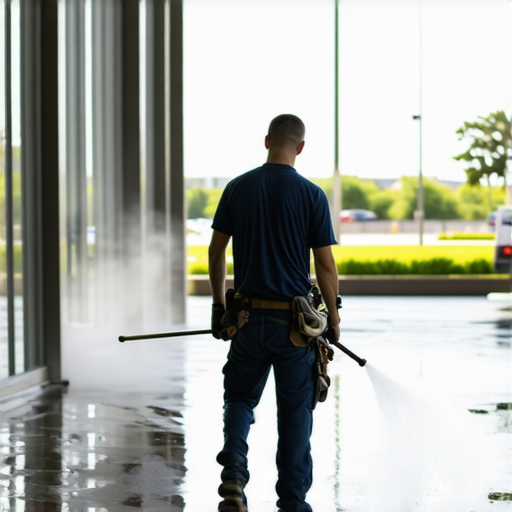
I vividly remember the moment when I finally realized my outdated degreasing methods were holding back my power washing projects. I was stubbornly scrubbing stubborn grease stains, exhausting myself with little results, when it hit me—a lightbulb flickered on. Why was everything so difficult, and why didn’t my favorite degreasers seem to cut through the heavy grime anymore? That realization sparked a quest to find truly effective solutions for 2026.
Transforming Your Approach to Heavy Grease Removal
Over the years, I’ve learned that not all degreasers are created equal—especially when it comes to tackling the most stubborn, industrial-grade grime. With a handful of specialized degreasers, I’ve seen surfaces transformed in a fraction of the time, saving me time, effort, and frustration. Today, I want to share with you the top 5 industrial degreasers that have revolutionized my cleaning routine in 2026. These powerful formulas don’t just promise quick results—they deliver them, making heavy grease a problem of the past. Ready to upgrade your power washing arsenal? Stick around, because what I’m about to reveal could change your results forever.
Is All Heavy-Duty Degreasing Worth the Hype?
Initially, I made the mistake of believing that any strong degreaser would do the job. Spoiler alert: it’s not. Some products can damage surfaces or leave residues that interfere with subsequent cleaning stages. Early in my journey, I even used a harsh chemical that compromised the integrity of my equipment, leading to costly repairs. Trust me—if you’re not selecting your degreasers carefully, you could be wasting money and time, or worse, damaging your surfaces. For a more detailed guide on selecting the right equipment and techniques, check out this comprehensive equipment guide. In the next sections, I’ll walk you through the absolute best products I’ve tested with proven results, so you won’t have to go through the same costly mistakes I made.
Preparing Your Equipment for Optimal Results
Start by inspecting your power washer to ensure it’s functioning at peak performance. Check the pump pressure, nozzles, and hoses for any wear or damage. For stubborn grease, use a turbo or variable nozzle to adjust spray patterns effectively. During my first attempt, I neglected this step, leading to uneven cleaning and wasted time. After thorough inspection and adjustments, the grease started dissolving more evenly, saving me from redoing the job.
Choose the Right Degreaser and Application Method
Select a high-quality industrial degreaser tailored for heavy grime, such as the top-rated formulas I recommend in my latest review. Apply with a low-pressure nozzle or a chemical-specific brush to allow the degreaser to penetrate deeply into the grease layers. I remember accidentally spraying too harshly, which damaged delicate surfaces. Later, I switched to a gentle, even coating—this allowed the degreaser to sit for the recommended time and ensured thorough breaking down of grease without surface damage.
Effective Power Washing Techniques for Heavy Grease
The key is strategic application combined with correct spray angles. Hold the spray wand at a 45-degree angle to the surface, moving in overlapping strokes. Think of the process like sculpting—gentle yet deliberate. I once tried rushing through, resulting in streaks and missed spots. When I slowed down and kept consistent distance and motion, the grease was effectively lifted, revealing a clean surface.
Proper Nozzle Settings and Distance to Prevent Damage
Use a nozzle with appropriate PSI—usually a 25-degree nozzle for heavy-duty cleaning—and maintain a distance of 12-18 inches from the surface. Apply consistent, sweeping motions to avoid concentrating pressure that could gouge or damage surfaces. In my experience, handheld oscillation kept the pressure gentle yet effective, especially on softer materials. Remember, high pressure isn’t always better; it’s about the right pressure for the surface you’re cleaning. For detailed tips, check out effective power wash techniques.
Managing Tough Residues and Final Touches
After initial spraying, switch to a light rinse with a wider fan nozzle to remove residual degreaser and loosened grease. Use a back-and-forth motion similar to sweeping a broom; this helps prevent streaks or pooling. For particularly stubborn spots, apply a secondary degreasing spray and scrub with a soft brush before rinsing again. I discovered that this multi-step approach significantly reduced residual grease, producing a spotless finish.
Post-Cleaning Checks and Surface Care
Once you’ve cleaned and rinsed, inspect the surface for any missed grease. Use a clean cloth or rag to dry and check for shiny spots or streaks. If needed, repeat the application on stubborn areas. Proper drying not only prevents water spots but also reveals any areas needing touch-ups. Taking these extra moments ensures you get professional-grade results every time. For additional tips on maintaining your equipment and surfaces, visit ultimate equipment tips.
Conclusion
By adjusting your approach with proper prep, strategic chemical application, and precise spraying techniques, you transform a messy, arduous task into a straightforward process. Each step builds on the last, just like tuning a finely crafted machine—every component must be in harmony for best results. When I implemented these methods, heavy grease vanished faster, surfaces looked better, and my overall efficiency skyrocketed. Master these core techniques, and you’ll handle even the toughest grease with confidence and ease.
Many believe that simply pointing their power washer at a surface and pulling the trigger guarantees a thorough clean. However, this oversimplified approach often leads to subpar results and surface damage. Contrary to common assumptions, mastering power washing requires a nuanced understanding of technique, equipment, and surface compatibility. For instance, novice users frequently misuse nozzle angles, thinking that higher pressure always yields better results. But applying excessive PSI or spraying from too close can cause irreversible harm, such as etching delicate surfaces or stripping paint. To truly elevate your power washing game, it’s essential to recognize these advanced nuances—details that seasoned professionals emphasize in expert guides like this comprehensive resource. One common myth is that larger nozzles automatically mean faster cleaning; in reality, selecting the right nozzle angle and pressure is vital for efficiency and safety. Moreover, many overlook the importance of proper surface preparation, which can drastically impact cleaning outcomes. Before you start, inspecting your equipment and surfaces ensures you avoid costly mistakes and maximize results. The trap here is assuming that equipment alone determines success. As highlighted in this expert article, technique and understanding material responses are equally crucial. For advanced power washing, knowing the subtle differences—like how softwood reacts to different spray angles—can save you from unnecessary damage. Remember, consistent pressure, correct nozzle selection, and mindful surface assessment are what separate a professional job from amateur mishaps. Have you ever fallen into this trap? Let me know in the comments.
Keep Your Power Washer in Top Shape for Reliable Results
Maintaining your power washer isn’t just about extending its lifespan—it’s about ensuring consistent, professional results every time you tackle a project. I recommend establishing a regular maintenance routine that includes inspecting hoses for wear, checking the pump for any leaks, and flushing out residual chemicals after each use. Proper storage is equally crucial; always store your equipment in a dry, sheltered location to prevent rust and corrosion. Using high-quality lubricants on moving parts can prevent unnecessary wear and tear, saving you money in the long run. For expert advice on preventive maintenance routines, check out this comprehensive guide. Remember, a well-maintained power washer delivers optimal pressure and flow, which are essential for achieving the best cleaning results over time.
What tools do I need for ongoing power washer maintenance?
Investing in specific tools like a pump protector, nozzle cleaner, and pressure gauge can make maintenance more straightforward. I personally use a digital pressure gauge to monitor PSI before each use, ensuring it stays within recommended levels and prevents damage caused by excess pressure. A nozzle cleaner kit helps clear clogs quickly, maintaining spray quality. Additionally, having a good quality grease gun allows me to lubricate fittings and moving parts efficiently. Upgrading your toolkit with these items guarantees your equipment operates smoothly and reduces downtime caused by unexpected failures. To explore recommended tools in-depth, see this expert resource.
How do I extend the lifespan of my power washing equipment?
Long-term results depend heavily on consistent care and smart upgrades. Using high-quality, compatible detergents minimizes corrosion and buildup inside your machine. Regularly replacing worn-out parts like O-rings and seals prevents leaks that can diminish pressure and efficiency. Incorporating quick-connect fittings streamlines setup and breakdown, reducing wear on connections. Moreover, implementing protective measures such as installing inlet filters can prevent debris from clogging valves. Future trends point toward smarter, sensor-equipped power washers that monitor performance and alert you to issues proactively. For a step-by-step process on extending your equipment’s life, consult this detailed guide. Take action now—try upgrading your filters and lubricating your pump to experience immediate improvements in reliability.
How can I scale my power washing operations without sacrificing quality?
Scaling effectively involves investing in versatile, durable equipment capable of handling increased workload. I recommend using commercial-grade pressure washers with adjustable PSI and flow rates to adapt to various surfaces and stains. Automating parts of your workflow with accessories like extension wands and surface-cleaning attachments can boost efficiency without compromising results. Consistent maintenance becomes even more critical when operating at higher volumes—schedule regular checks and preventative care routines to prevent downtime. As industry experts stay ahead of the curve, embracing innovations such as remote monitoring and predictive maintenance will be key. For practical strategies, review this insightful article. Start by assessing your current tools and consider investing in multi-purpose equipment that streamlines your operations and maintains excellence in every job.
Lessons I Wish I Learned Earlier About Power Washing
- I underestimated the significance of proper surface prep, realizing later that skipping this step doubles the cleaning time and risks surface damage. Taking time to inspect and prepare surfaces before spraying can save you from costly mistakes.
- Using the wrong nozzle angle or applying excessive pressure often led to streaks and gouges. I discovered that gentle, targeted application yields better results and preserves the integrity of delicate surfaces.
- My assumption that all degreasers are equal was a trap. Testing and selecting specialized, industrial-grade degreasers transformed my efficiency, breaking down even the toughest grease without hassle.
- Neglecting regular equipment maintenance caused unexpected downtimes. I learned that routine checks and proper storage extend my power washer’s lifespan and ensure consistent performance.
- Trying to scale my operation without investing in versatile attachments and reliable tools backfired—until I focused on upgrading my arsenal for efficiency and quality.
Tools and Resources That Elevate My Power Wash Game
- High-quality pressure gauges—I trust this tool to monitor PSI, preventing damage caused by over-pressurization, a small investment that offers peace of mind.
- Specialized degreasers—My personal favorites include formulas engineered for industrial grime removal, saving me time and effort.
- Surface cleaning attachments—Using these reduces cleaning time significantly and ensures even coverage on large or textured surfaces.
- Maintenance kits—Having a dedicated kit for filtering, lubricating, and replacing parts keeps my equipment in top shape, ensuring reliable results every time.
Take Action and Transform Your Results
Power washing heavy grease isn’t just about equipment—it’s about mastering techniques with the right mindset and tools. Embrace these insights, invest in quality, and stay proactive with maintenance. The results will speak for themselves—cleaner surfaces, faster projects, and fewer headaches. Are you ready to apply these strategies and elevate your power washing game? Share your experiences or ask for tips below — I’d love to hear your story!
,
Reading through this post, I can definitely relate to the struggle of finding the right degreaser that actually cuts through tough, industrial grease. I used to rely on generic products, only to discover they either left residues or damaged some surfaces. It’s clear now how vital it is to match the degreaser type with the specific grime and surface material for optimal results. I’ve recently started experimenting with some newer formulations that are more environmentally friendly, yet incredibly effective, and they seem to perform even better. One thing I’ve learned is that application technique makes a difference—pre-saturating with the right tools helps the formula penetrate deeply and break down grime faster. Have others tried eco-friendly degreasers, and how do they compare in performance to traditional heavy-duty ones? I’m curious whether switching to greener options impacts cleaning efficiency or surface safety.
This post really hits home about the importance of selecting the right degreaser for heavy-duty cleaning tasks. I’ve learned through my own experience that not all industrial degreasers are created equal, especially when working on softer surfaces like wood or painted surfaces where aggressive chemicals can cause damage. The tip about proper application techniques is priceless—I’ve definitely noticed that applying a mist rather than a heavy spray allows the degreaser to penetrate more effectively without oversaturating. As for eco-friendly options, I’ve been experimenting with bio-based degreasers that are less harsh but still quite powerful. Surprisingly, they work well, especially when combined with the right surface prep and longer dwell times. Has anyone here found that switching to greener degreasers requires adjustments in the application method or dwell time? I’d love to hear about your experiences and how it affected your results.