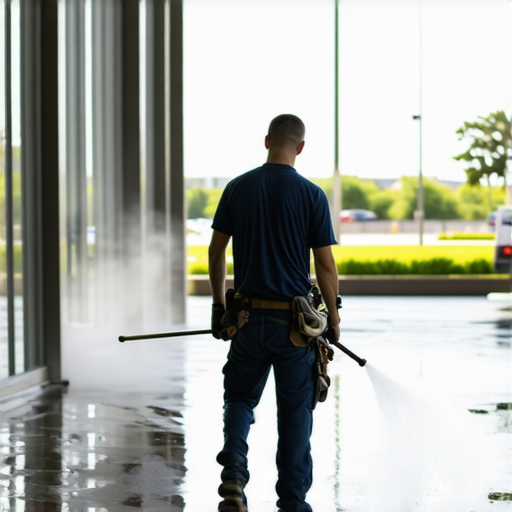
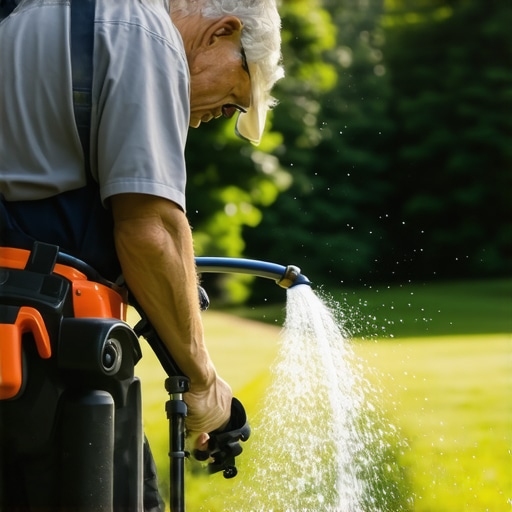
It was a hot summer afternoon when I watched my brand-new power washer strip away layers of paint and leave unsightly streaks on my siding. I had just invested in a powerful machine, eager to make quick work of stubborn grime. Instead, I found myself battling damage that felt worse than the dirt I set out to clean. That moment was a lightbulb inside my head—realizing that more pressure isn’t always better, especially with high-PSI powerwashers.
Why Using High-PSI Powerwashers Can Do More Harm Than Good
If you’re like me, you probably saw the hype: ‘Powerful cleaning! Fast results!’ and thought, “More pressure must mean better cleaning.” But I learned the hard way that relying solely on high PSI levels can cause serious issues. From etching wood decks to etching away paint on brick, excessive pressure can leave lasting damage—sometimes costing hundreds to repair or replace surfaces.
Back in early 2024, I made the mistake of renting a commercial-grade power washer without proper knowledge. I thought, “This must be the way to get the job done,” but I quickly learned that not all surfaces are created equal. It became clear that knowing the right pressure and technique is crucial. For example, [pressure wash expert advice](https://pressurewashpross.com/power-washing-success-best-equipment-techniques-2024) emphasizes that using the wrong PSI can void warranties or ruin your home’s aesthetic.
So, what’s the alternative? That’s what I will be sharing soon. If you’ve faced similar frustrations, stay tuned. You’re about to learn how to make power washing effective, safe, and even enjoyable by avoiding these common mistakes and investing in the right equipment and techniques.
Is It Really Worth Ditching Powerwash Powerhouses?
Many homeowners swear by high-PSI cleaners, believing they’re the only way to achieve a deep clean. But I found that the truth lies in proper technique and equipment. Overdoing it can damage delicate surfaces or cause water intrusion problems. I initially thought that more pressure meant faster results, but I learned that efficiency is about the right pressure, correct nozzle selection, and proper technique—details found in [this guide on maximizing power washer results](https://pressurewashpross.com/maximize-powerwasher-results-expert-power-washing-tips-equipment-today). So, are you risking your home’s longevity for a quick fix?
Select the Right Equipment for Your Surface
Begin by choosing a power washer with appropriate PSI and GPM ratings tailored to your cleaning task. For delicate surfaces like wood or painted siding, opt for a machine with adjustable pressure controls. I once grabbed a high-pressure industrial unit to clean my deck, thinking more power equals better results, but the wood ended up shredded. That taught me to match equipment specs to the surface. Check out [top equipment tools for power washing success in 2024](https://pressurewashpross.com/top-equipment-tools-for-power-washing-success-in-2024) to find gear suited for different tasks.
Clean and Prepare Your Surface
Remove loose debris, furniture, and fixtures before starting. Sweep or brush away dirt, cobwebs, and leaves to prevent them from smearing or clogging your equipment. When I cleaned my driveway, I initially skipped this step and ended up distributing mud and leaves across the surface. Proper prep reduces the need for repeated passes and conserves equipment life. See [effective power washing equipment tips](https://pressurewashpross.com/power-wash-equipment-tools-best-tips-for-efficient-cleaning-in-2024) for related insights.
Adjust Your Nozzle and Pressure Settings
Set your nozzle to the correct angle—generally 25° for general cleaning, 15° for stubborn stains, and wider angles for delicate surfaces. Always start with a lower pressure and increase gradually. Think of it like watering a delicate plant versus washing a muddy truck—different techniques needed. I once used a 0° nozzle on my siding, which blasted paint off within seconds. Allowing for gradual pressure adjustment prevents surface damage. Refer to [power washer tips for effective cleaning in 2024](https://pressurewashpross.com/power-washer-tips-for-effective-power-washing-in-2024) to fine-tune your setup.
Maintain the Correct Distance and Technique
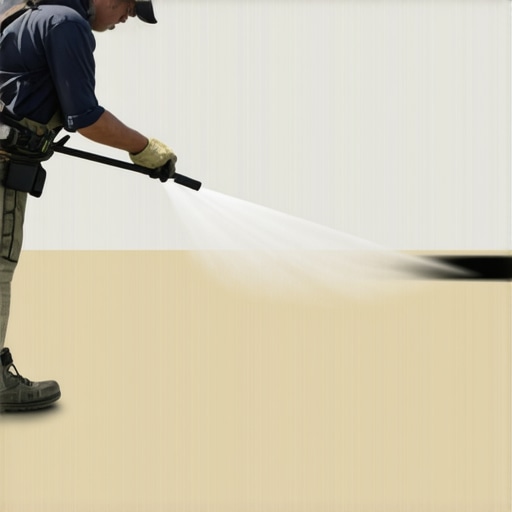
Hold the nozzle at the recommended distance—usually 12 to 18 inches from the surface—and keep it perpendicular to avoid uneven cleaning or damage. Use smooth, overlapping passes rather than focusing on one area. When I was cleaning my patio, I kept the nozzle too close and left etching marks that took weeks to repair. Practice consistent movement and pressure control to ensure an even, safe clean. For expert advice, visit [power washing techniques expert tips](https://pressurewashpross.com/power-washing-techniques-expert-tips-to-enhance-your-results-in-2024).
Apply Detergent Efficiently
For tough grime, use a suitable cleaning solution. Apply detergent systematically from bottom to top and let it dwell for a few minutes. Use foam cannons or brushes for better penetration, then rinse thoroughly. I initially poured soap directly onto the surface, which wasted product and caused streaks. Learning to apply detergent properly maximized my cleaning results while avoiding streaks. Check [effective power washer equipment techniques](https://pressurewashpross.com/power-wash-equipment-tools-best-tips-for-efficient-cleaning-in-2024) for pro tips on detergent application.
Many enthusiasts believe that cranking up the PSI on their power washer guarantees a spotless clean. However, this myth often leads to overlooked nuances that can cause significant surface damage. A common mistake is assuming that higher pressure automatically equals better results; in reality, it can create a stubborn cycle of repairs and re-cleaning. For instance, using excessive PSI on delicate surfaces like painted siding or wood decks can etch or gouge the material, undermining the very cleanliness you seek. To avoid this, understanding the importance of tailored equipment settings is critical, and consulting expert guides like [this one](https://pressurewashpross.com/power-washing-success-best-equipment-techniques-2024) can prevent costly blunders.
Another subtle trap is neglecting the role of nozzle choice. Homeowners often stick with default nozzles, unaware that spraying at a narrow 0° angle can cause irreversible damage on soft surfaces. Instead, selecting the appropriate nozzle angle—such as 25° for general cleaning—distributes pressure evenly and protects your surfaces. Failing to adjust pressures and angles according to the surface type is an advanced mistake that can be easily avoided by familiarizing oneself with expert recommendations found in [this resource](https://pressurewashpross.com/ultimate-equipment-tips-for-power-washing-success-in-2024).
But what about the misconception that holding the nozzle closer always results in cleaner surfaces? The reality is, proximity matters little if the pressure isn’t correctly calibrated. Holding a high-pressure spray too close to the surface risks etching or blasting away paint. Maintaining a safe distance—usually around 12-18 inches—is essential, coupled with consistent overlapping passes, to achieve even results without damaging the material. For strategies on optimizing your technique, check out [this expert advice](https://pressurewashpross.com/power-wash-tips-how-to-maximize-powerwashing-efficiency-in-2024).
Have you ever fallen into this trap? Let me know in the comments. Mastering the nuances of power washing hinges on informed adjustments and technique, not brute force. Always tailor your equipment and approach—because a well-executed clean is safer, more effective, and longer-lasting.
Investing in quality equipment is only the first step toward achieving reliable, long-term results with your power washing projects. To keep your tools functioning optimally and extend their lifespan, regular maintenance and strategic upgrades are vital. I personally recommend scheduling routine inspections of your power washer, paying close attention to hoses, seals, and the pump for signs of wear or leaks. Lubricate moving parts as specified in your manufacturer’s manual to prevent unnecessary strain and corrosion. Additionally, replacing worn nozzles and filters promptly ensures consistent spray patterns and pressure levels, maintaining the effectiveness of your cleaning sessions.
One tool I swear by is the Rotary Surface Cleaner. It might seem like a luxury, but it significantly reduces cleaning time and surface damage by providing an even, consistent spray pattern. This tool is especially valuable when tackling large flat surfaces like driveways or decks, where uneven pressure can cause streaks or gouges. Regularly cleaning and inspecting the rotary head prevents buildup that can affect spray accuracy, ensuring you get the best results every time. For comprehensive equipment advice and specific models, check out top equipment tools for power washing success in 2024.
In the realm of long-term results, using high-quality detergents and degreasers designed for pressure washers not only enhances cleaning efficacy but also reduces the need for excessive scrubbing or re-washing. I’ve found that switching to biodegradable, eco-friendly solutions extends the lifespan of rubber seals and hoses, as harsh chemicals can degrade these components over time. Employing a foam cannon for detergent application allows a more even and controlled distribution, which improves cleaning impact and conserves chemicals. As the trend toward sustainable cleaning grows, embracing eco-friendly detergents is becoming increasingly crucial, and I predict this will continue to gain prominence in the industry.
To ensure your machine remains in top shape, adopting a maintenance schedule based on documented manufacturer recommendations is key. I dedicate fifteen minutes after each job to flush out the system with clean water, inspecting for leaks and cracks, and tightening any loose fittings. Every few months, replacing pump oil and replacing worn-out nozzles can prevent costly repairs down the line. Remember, a well-maintained power washer is more energy-efficient, safer, and more capable of delivering top-tier results consistently.
What steps can you take today to prolong your power washer’s lifespan?
Engage in preventative maintenance, invest in reliable accessories like rotary surface cleaners, and choose eco-friendly detergents. These practices will pay dividends over time—saving you money and frustration. Don’t forget to consult expert advice on power washing equipment for tailored strategies and product recommendations. Start by trying a professional-grade nozzle or a high-efficiency surface cleaner this weekend and experience the difference that proper tools and maintenance can make in your cleaning results.
What I Wish I Knew Before Turning Up the Pressure
One of the biggest revelations was realizing that surface sensitivity outweighs raw power. Using high PSI without adapting to the material not only risks damage but can prolong your cleaning process with repairs and re-dos. That sparked my obsession with understanding the nuances of equipment adjustment, nozzle selection, and proper technique—things I overlooked at first but now see as game-changers. Dive into this guide to learn what the professionals know about tailoring your power washing to each surface.
The Power of Patience Over Force
It’s tempting to think that cranking up the PSI will get you quicker results, but I found that patience and finesse deliver a longer-lasting, streak-free finish. Rushing often leads to uneven cleaning or surface etching—lessons I learned after experimenting and paying the price with a scratched siding. Focused, controlled passes and proper distances create a more satisfying result. To refine your technique, check out this resource.
Adjustments That Made a Difference
I wouldn’t underestimate the value of simple adjustments—like switching to a 25° nozzle or maintaining a consistent distance of about 12 inches. These small tweaks drastically reduced surface damage and increased cleaning effectiveness. It’s not about more pressure; it’s about smart positioning. Find the equipment tips that helped me optimize my setup by visiting this collection.
Harnessing Knowledge to Save Time and Money
Investing in the right equipment and maintaining it properly isn’t just about short-term results—it’s about extending your power washer’s lifespan and ensuring consistent quality. Regular maintenance, like replacing worn nozzles and lubricating parts, prevents costly breakdowns. My trusted tool? The rotary surface cleaner, which has turned hours of work into minutes and given me peace of mind that I’m not harming surfaces. Discover more on effective tools at this page.
How Your Efforts Today Shape Your Power Washing Future
The key takeaway is that mastery over power washing isn’t built overnight. It’s about deliberate practice, continuous learning, and respecting your surfaces. Each adjustment, each careful pass adds up to a long-term investment in your home’s appearance and integrity. Start small, stay curious, and remember—proper technique beats brute force every time. Ready to take your power washing skills to the next level? Your improved results are just around the corner.
Reading this post really resonated with my own experience of trying to rush through outdoor cleaning projects with too much pressure. I once used a high-PSI power washer on my brick patio without adjusting the nozzle or pressure settings, and I ended up with unsightly etching marks that took months to repair. It was a clear reminder that understanding the correct PSI, nozzle angle, and technique is essential, especially for delicate surfaces. What I’ve found helpful is investing in adjustable pressure washers and always doing a surface test first. It can save a lot of time and money in the long run. Have others faced similar mishaps, and how did you correct your approach to avoid surface damage? Sometimes patience and proper technique truly make all the difference.