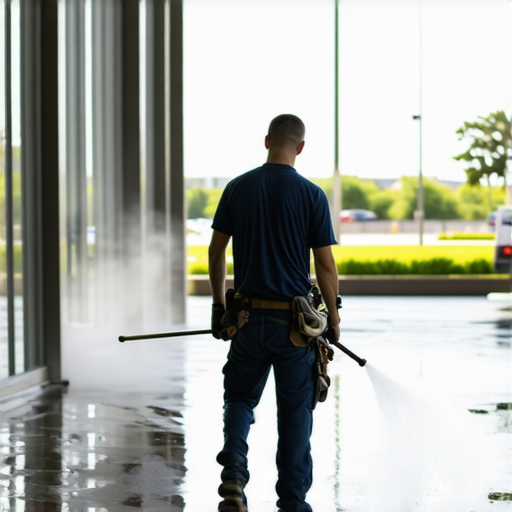
![Don't Kill Your Pump: 5 Maintenance Tasks for 2026 [Checklist]](https://pressurewashpross.com/wp-content/uploads/2026/01/Dont-Kill-Your-Pump-5-Maintenance-Tasks-for-2026-Checklist.jpeg)
I remember the moment vividly. I was mid-project, spraying away with my power washer, feeling like a pro. Suddenly, the pressure dropped dramatically. My heart sank. It was a harsh reminder that neglecting my pump’s health could turn a promising day into a frustrating nightmare. That mishap taught me a crucial lesson: even the best equipment needs proper care, or you’ll be left staring at a costly repair bill—and a stalled project.
Why Maintaining Your Power Washer Pump Is a Game Changer
Keeping your pump in top shape isn’t just about preventing breakdowns; it’s about ensuring you get the most out of every dollar you invest in your equipment. A well-maintained pump ensures consistent pressure, efficient cleaning, and a longer lifespan for your power washer. I learned this early on when I ignored some simple upkeep—only to spend more time and money fixing issues later. Trust me, the effort upfront pays off in pristine results and frustration-free days.
Is Proper Maintenance Actually Worth the Time and Effort?
At first, I thought skipping a few routine tasks wouldn’t hurt. Boy, was I wrong. One early mistake I made was ignoring the manufacturer’s recommendations for pump lubricants, which led to premature wear. Since then, I’ve discovered that just a little regular attention—like checking oil levels, inspecting hoses, and cleaning filters—can significantly extend your equipment’s lifespan. You can explore effective strategies for protecting your investment by browsing this comprehensive guide. If you want to avoid those expensive breakdowns, the good news is that a few simple maintenance tasks can save you hundreds in repairs and downtime.
So, are you facing issues with inconsistent pressure or sudden equipment failures? If so, you’re not alone. Many power washer users overlook routine upkeep until it’s too late. The key is to stay proactive—fix problems before they become costly. Now, let’s dive into the essential maintenance tasks that will keep your pump running smoothly through 2026 and beyond. Ready to extend your equipment’s lifespan and boost your cleaning results? Let’s get started!
Drain and Flush to Remove Residues
Before starting any maintenance, I recall the first time I drained my pump after a long winter. I detached the water inlet and let the residual water drain completely, then filled the pump with pump-specific oil, turning the engine over briefly to distribute it evenly. This process prevents internal rust and seals from drying out. Think of it as flushing out the engine of a car before storing it for the season; it keeps everything lubricated and ready to go when you need it.
Check and Replace Pump Oil Regularly
Next, I make inspecting the pump oil a weekly habit during heavy use. Using a clean cloth, I wipe the oil fill port’s surroundings and then remove the plug, checking the oil level; if it’s low or dirty, I drain the old oil and refill with manufacturer-recommended lubricants. This step is like giving your power washer a blood test—ensuring it’s healthy enough to deliver consistent pressure. For optimal results, refer to techniques outlined in this guide.
Inspect and Replace Worn Hoses and Seals
I remember a time when a small crack in the hose caused a significant pressure drop. I always inspect hoses, connections, and seals for cracks, leaks, or brittleness after every few sessions. If I find any issues, I replace them immediately. Imagine a leaking tire—if left unaddressed, it can cause a blowout. Using top equipment techniques, I ensure everything is tight and leak-proof, which maintains ideal pressure during cleaning.
Clean or Replace Pistons and Valves
Over time, pistons and valves can become clogged with debris or calcify, reducing efficiency. I disassemble accessible parts carefully, clean out any deposits, and check for wear or damage. Think of it as sharpening a dull blade—clean, crisp components cut through grime more effectively. This step is crucial for preventing sudden breakdowns and maintaining consistent power in your wash. For detailed methods, check these proven techniques.
Perform Pressure Tests and Adjustments
Finally, I run the power washer at various settings, observing pressure gauges to ensure optimal output. If the pressure is too low, I verify the unloader valve’s position and adjust accordingly—akin to tuning a musical instrument for perfect pitch. Regular testing helps catch issues early, preventing more extensive repairs. This aligns with strategies found in modern power washing techniques.
By systematically executing these steps, you ensure your pump performs reliably and lasts longer. Remember, consistency is key—treat your power washer with the same care you give your vehicle or tools, and it will serve you well for years to come.
Despite the widespread use of power washers, many users operate under misconceptions that can compromise their results and equipment longevity. As someone deeply immersed in the nuances of power washing, I can tell you that not everything you hear is accurate. Let’s dig deeper into some prevalent myths and reveal what truly matters for optimal performance.
Why believing that higher pressure always equals better cleaning can backfire
It’s a common mistake to think cranking up the pressure will clean faster and better. In reality, excessive pressure can damage surfaces, strip paint, or cause unwanted streaks. The key is knowing the right PSI for each material, which you can determine by exploring proper pressure settings. Overpressurizing doesn’t equate to cleanliness; it often leads to repairs and rework, wasting your time and money.
Beware of the trap: thinking all nozzles deliver the same results
Many users assume that a standard nozzle suffices for various tasks. However, different nozzles produce distinct spray patterns and pressures crucial for specific surfaces. Using the wrong one can cause surface damage, especially on delicate materials like wood or painted siding. I recommend investing in a set of well-chosen nozzles, guided by expert advice found in this resource. Remember, the correct nozzle pairing maximizes efficiency and protects your surfaces.
How advanced washing techniques can improve results and save time
Many enthusiasts stick to basic wash patterns, unaware that proven techniques can enhance results significantly. Techniques like overlapping strokes, proper nozzle angles, and adjusted distances prevent streaks and missed spots. Interestingly, some advanced users utilize low-pressure rinsing to prevent surface damage during delicate cleaning. For more expert strategies, see these proven methods. Mastering such nuances not only elevates your output but also extends your equipment’s lifespan.
One of the most overlooked but vital aspects is forgetting that modern, high-quality equipment often comes with specific maintenance requirements. Ignoring these can lead to inefficient operation or early failures. For example, regularly inspecting and replacing worn seals or using the right lubricants, as discussed earlier, keeps your power washer performing at peak levels.
Now, I’d like to pose a question to you: Have you ever fallen into this trap? Let me know in the comments. Understanding these nuances can mean the difference between a satisfying cleaning job and costly mistakes. Stay curious and keep exploring these advanced insights to get the most out of your power washing experience.
Keeping it Going with Quality Tools and Routine Care
To ensure your power washer remains reliable and effective over the years, investing in the right tools and adopting a disciplined maintenance routine is essential. Personally, I rely on a few specific pieces of equipment that have proven their worth time and again. For instance, I use a high-quality digital flow meter to monitor pressure fluctuations in real time, which helps me catch issues early—before they turn into costly repairs. This tool has become indispensable, especially on larger projects where consistent performance is critical. You can find effective models discussed in this comprehensive guide.
Essential Maintenance Practices That Stand the Test of Time
One of the most underappreciated aspects of power washing is routine inspection of hoses, seals, and connections. Every few uses, I make a point to drain residual water from the pump and fill it with specialized pump oil—this practice prevents internal corrosion and prolongs component life. Additionally, regular replacement of worn nozzles and cleaning pistons ensures optimal spray patterns and pressure output. I also use a stainless-steel filter system to keep debris from entering sensitive components—a step that saves me hours of troubleshooting down the line. Details on maintaining these components are outlined in this expert resource.
Preparing for Growth and Scaling Up
As your experience grows, you might want to scale your operations. To do this effectively, consider upgrading to modular hose reels and expand your nozzles toolset, which allows for greater flexibility across diverse surfaces. Scaling also involves refining your protocol—integrating digital record-keeping for maintenance schedules or service logs helps keep track of your equipment’s health. Looking ahead, automation tools like pressure sensors and remote monitoring are set to revolutionize long-term maintenance, reducing downtime significantly. In the meantime, I highly recommend experimenting with advanced techniques, such as using a water filtering system to extend pump life—this simple addition can dramatically improve performance longevity. For more insights on scaling your power washing setup, check this detailed guide.
How do I maintain my equipment over time?
Consistent care requires a structured approach. I suggest establishing a regular inspection schedule—monthly if you’re operating heavily—and keeping detailed maintenance logs. Replace worn seals and lubricate moving parts as recommended by your manufacturer. Additionally, investing in quality replacement parts and storing your equipment properly after each project minimizes corrosion and damage. Following these practices ensures your power washer continues to deliver optimal results and minimizes unexpected breakdowns. Remember, small daily habits, like cleaning filters and checking hoses, can extend your equipment’s lifespan significantly. Would you like to test an advanced technique such as integrating a water filtration system into your setup? Trying it out could be a game-changer for your long-term success.
Overlooking Small Details Can Sabotage Your Shine
My biggest breakthrough came when I realized that neglecting routine maintenance was like ignoring the warning signs in a car. Small issues—such as loose hoses or dirty filters—may seem insignificant but can snowball into costly repairs and uneven cleaning results. The lightbulb moment was understanding that consistent, proactive care is the secret to longevity and performance of my power washer.
Tools and Resources That Became My Power Washing Pillars
Over time, I discovered that investing in quality equipment made all the difference. A reliable pressure gauge from this trusted source allowed me to monitor fluctuations and prevent damage. Additionally, I rely on manufacturer-specific lubricants and top-tier nozzle sets to keep my system efficient. These tools, combined with continuous learning from comprehensive guides, help me stay ahead of potential pitfalls.
Embracing the Power of Consistent Care and Fixes
The most profound insight was that maintenance isn’t a one-off task but an ongoing commitment. Scheduling monthly inspections, replacing worn seals, and keeping a detailed maintenance log have transformed my approach. It’s about building a routine that becomes second nature—like brushing my teeth—to ensure that my power washer performs reliably on every project. This discipline has saved me countless hours and dollars, proving the value of regular upkeep.
What Would You Do Differently After Reading This?
Now that I’ve shared these insider lessons, I encourage you to reflect on your maintenance habits and equipment choices. Think about the small steps that could prevent big problems down the line. Whether it’s upgrading your nozzle set or scheduling a monthly check, every action adds up. Remember, the goal is to maximize your results while minimizing unexpected breakdowns. And the best part? With a bit of consistent effort, your power washing ventures will become more efficient, effective, and enjoyable. Have you ever faced a surprising equipment failure that taught you a valuable lesson? Share your story below and let’s learn together.