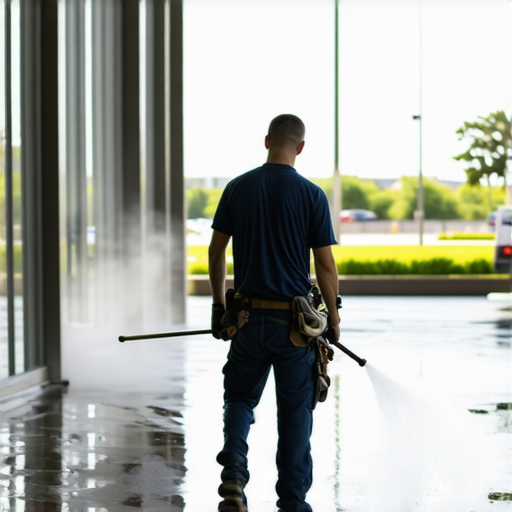

Have you ever blasted away dirt with your power washer only to realize you’ve left streaks or, worse, damaged the surface? I remember the moment I first used bleach during a power washing project — thinking it was the quick fix. Instead, I ended up with a dull, discolored deck and a lingering chemical smell that took days to fade. It was a lightbulb moment for me: there had to be a better way.
Since then, I’ve dived deep into eco-friendly alternatives that are safe for my family, pets, and the environment, yet just as effective at transforming surfaces. The traditional reliance on harsh chemicals like bleach is outdated and often counterproductive. Not only do these chemicals pose health risks, but they can also harm plants, wildlife, and your nearby water systems.
So, why switch now? Experts highlight that eco-conscious cleaning not only protects our ecosystems but also enhances the longevity of your surfaces. Did you know that using eco-friendly cleaning mixes can extend the life of your pressure washer and save you money in the long run? According to a recent guide on [pressure washing techniques](https://pressurewashpross.com/power-washing-mastery-proven-techniques-for-lasting-results), sustainable practices are rapidly becoming the new standard among professionals.
In this post, I’ll share three powerful, eco-friendly power washing mixes that I’ve personally tested and that have genuinely changed how I clean. These mixes harness natural ingredients and biodegradable solutions, proving that you don’t need harsh chemicals to achieve stunning results.
If you’ve ever felt that twinge of guilt or frustration when using chemicals that could harm your surroundings, you’re not alone. Many homeowners face this dilemma but aren’t sure where to start. Keep reading — I promise these simple, homemade mixes will make your power washing not just more eco-friendly, but also more effective.
Now, let’s dive into the first mix and discover how you can boost your cleaning results without leaving a harmful footprint.
Prepare Your Equipment Properly
Before you start, ensure your pressure washer is in excellent condition. Check hoses for cracks, make sure the nozzles are clean, and attach the appropriate spray wand. Using reliable [equipment tips](https://pressurewashpross.com/ultimate-equipment-tips-for-power-washing-success-in-2024) helps prevent issues mid-job. I once ignored a nozzle clog, which caused uneven spray and streaks on my deck—learning the importance of setup saved me hours of redoing the job.
Select the Right Eco-Friendly Cleaning Solution
Opt for biodegradable mixes free from harsh chemicals. For example, a mix of natural apple cider vinegar and water can neutralize grime effectively. Mix one part vinegar with three parts water in a sprayer; this creates a potent, non-toxic cleaner. Applying this solution to a stained fence, I noticed no chemical fumes, and the surface looked renewed with a gentle rinse. 
Apply the Solution Correctly
Spray the mixture evenly over the surface, working from the bottom up to avoid streaks. Use a lower pressure setting when applying to prevent surface damage. I learned this when a high-pressure spray dislodged paint from my wooden porch—starting with low pressure and gradually increasing yielded better, safer results.
Master the Power Washing Technique
Hold the wand at a 45-degree angle, maintaining a consistent distance of about two feet from the surface. Use sweeping motions, overlapping each pass by 50%, akin to mowing a lawn for even coverage. I initially moved too quickly, missing spots and leaving residues; slowing my pace improved coverage without missing edges.
Leverage Tip Selection for Different Surfaces
Use different nozzles: a 25-degree for general cleaning, a 15-degree for stubborn grime, and a 40-degree for gentle rinsing. For delicate surfaces like aged brick, a wider spray reduces risk. I once used a 15-degree nozzle on my vinyl siding, leaving marks. Switching to a 40-degree nozzle made the process safer and more effective.
Focus on Technique to Prevent Damage
Keep the wand moving smoothly; avoid pausing too long on one spot to prevent etching or gouging. Imagine your wand as a paintbrush—steady and even strokes lead to smoother results. During work on my driveway, pausing excessively caused uneven cleaning, but a consistent motion smoothed out the entire surface.
Rinse and Finish Correctly
After applying your eco-friendly mix and scrubbing as needed, thoroughly rinse the surface with clean water. Use a wider spray nozzle at lower pressure to wash away residues gently. Rinsing thoroughly prevents streaks and ensures no detergent remains. I remember rushing the rinse, which left spots; a slow, thorough rinse made my patio look brand new.
Many homeowners believe that simply blasting away dirt with a high-pressure washer is enough to achieve spotless surfaces. However, as an experienced power washer enthusiast, I can tell you that there are nuanced details and common myths that often trip up even seasoned DIYers. For instance, the misconception that higher pressure always equals better cleaning can lead to surface damage; in reality, setting the right pressure tailored to each material is crucial for maximizing results without harm. This advanced understanding involves knowing which nozzles and spray techniques prevent etching on delicate surfaces like aged brick or softwood, something I learned the hard way—starting with a 15-degree nozzle on my vinyl siding left visible marks. An often-overlooked aspect is the importance of adjusting the distance and motion of your wand, as inconsistent spray can cause streaks and uneven cleaning, especially when using eco-friendly mixes that require proper application for optimal effectiveness. According to industry experts, improper technique accounts for most failed power washing projects, emphasizing the need for precision and appropriate equipment settings. Additionally, many get tripped up by the myth that all cleaning agents are interchangeable; selecting biodegradable, surface-safe solutions that match your specific job can enhance longevity and environmental safety. To secure trustful, lasting results, I recommend consulting proven strategies like those found in comprehensive guides on [power washing mastery](https://pressurewashpross.com/power-washing-mastery-top-techniques-equipment-tips-2024), which delve into nuances such as nozzle selection, pressure calibration, and eco-friendly solutions. Be wary of the “more is better” mentality—overlooking the subtleties of technique and equipment can cause damage, reduce efficiency, and lead to redoing the job sooner than expected. Remember, power washing isn’t just about pressure; it’s a blend of technique, equipment choice, and understanding surface sensitivities. Have you ever fallen into this trap? Let me know in the comments. For advanced tips to refine your approach, explore detailed resources that unlock the secrets to professional-grade results.
Investing in high-quality power washing equipment is just the beginning; maintaining it properly ensures that your tools perform reliably and last for years. Personally, I rely on a few trusted tools and routines to keep my pressure washer and accessories in optimal condition. One of my go-to items is a quartz grit blaster, which I use periodically to remove stubborn mineral deposits from nozzles, preventing clogging and maintaining consistent spray patterns. Additionally, I swear by a balance spray gun with ergonomic features—this reduces strain during prolonged sessions and results in more even pressure distribution. Effective maintenance begins with inspecting hoses and fittings after each use, ensuring no cracks or leaks develop, which can compromise pressure and flow over time.
When it comes to keeping my pressure washer running efficiently, I plumb in a water filter that traps debris before it reaches sensitive components, extending the life of the pump. For routine upkeep, I set a schedule to flush the system with clean water, especially after using eco-friendly mixes that can leave residues inside the pump and hoses. Using biodegradable cleaning agents not only protects the environment but also reduces corrosive wear on your equipment—something I learned from top industry practices detailed in power washing mastery guides.
In the future, I believe this trend of proactive maintenance will evolve with smart sensors and IoT integration. Imagine a pressure washer that could alert you when cleaning components need attention or when parameters drift out of safe ranges. This technological leap could revolutionize how we ensure longevity and safety during power washing projects.
How do I maintain my power washing tools over time?
The key is regular inspection, cleaning, and timely replacement of worn parts. Always store your equipment in a dry, protected space to prevent rust and degradation. Consider investing in a maintenance kit tailored for pressure washers, including lubricants, O-rings, and nozzle cleaners. Respect the manufacturer’s guidelines—skipping scheduled maintenance can lead to costly repairs and downtime. For serious enthusiasts wanting to extend their tools’ lifespan, I recommend reviewing detailed maintenance routines found in ultimate equipment tips so that your investment keeps performing at peak levels. Don’t forget to perform a visual check before each use—look for loose fittings or damaged wires—and always keep a dedicated set of cleaning brushes and lubricants. By adopting these habits, you’ll maximize your equipment’s lifespan while ensuring spotless, reliable results every time—try applying a thorough nozzle inspection before your next project to see immediate improvements.
What I Learned the Hard Way About Using Eco-Friendly Solutions
Early in my power washing journey, I assumed that any biodegradable cleaner would do the job. However, I discovered that certain natural ingredients require precise application techniques to truly unlock their potential. For instance, a simple vinegar-water mix needs adequate dwell time and correct pressure settings to dissolve stubborn grime without damaging surfaces. This lightbulb moment taught me that understanding surface chemistry and fluid dynamics can dramatically improve results.
Tools and Resources That Transformed My Approach
After experimenting with various equipment, I found that investing in a quality water filter significantly extended my pressure washer’s life and maintained consistent spray patterns. I rely on the ultimate equipment tips guide, which demystifies maintenance routines and recommends tools that stand up to eco-friendly cleaning demands. Additionally, my trusted ergonomic spray gun makes long sessions less stressful and more precise. These tools have paid dividends in efficiency and surface safety.
Let Your Power Washing Confidence Grow
Choosing eco-friendly methods and the right equipment instilled a newfound confidence in my ability to tackle surfaces responsibly and effectively. Power washing with care isn’t just about sparkling results; it’s about respecting the environment and personal safety. I encourage you to embrace these advanced strategies and see how they elevate your projects. Remember, mastery comes from continuous learning and applying refined techniques.
Have you ever faced surprises when switching to eco-friendly cleaning or upgrading your equipment? Share your experiences below—I’d love to hear your story and tips!