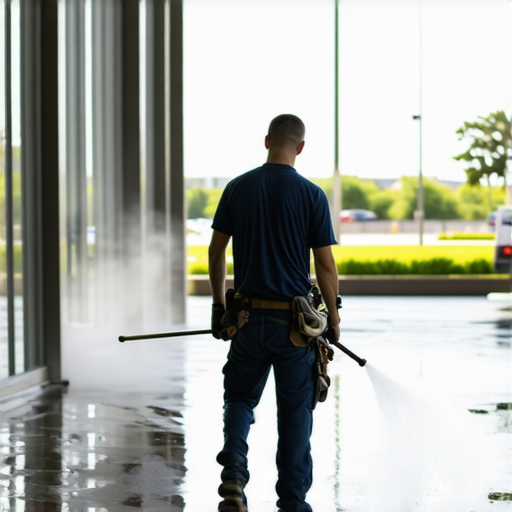

Ever had that moment when you’re about to start a power wash, and your equipment just sputters or underperforms? I remember the first time I tackled a stubborn driveway—my old pressure washer struggled, leaving streaks and uneven cleaning. It was frustrating, but that lightbulb moment made me realize that success in power washing isn’t just about elbow grease; it’s about having the right tools and techniques. If you’ve faced similar struggles, you’re in the right place. Today, I’ll share how to elevate your power washing game in 2024, ensuring you get professional results without the guesswork.
Why Equipment and Technique Matter More Than Ever
In the world of power washing, the difference between a sparkling clean surface and a muddy mess often boils down to the equipment you use and how you wield it. As I learned early on, investing in top-tier equipment and mastering effective techniques can dramatically boost your results. According to industry experts, using the wrong nozzle or pressure settings can damage surfaces or lead to subpar results. Trust me, I’ve been there—mistakes early on cost me time and money. That’s why I now recommend focusing on the essentials that make a real difference, like choosing the right pressure washer and understanding the nuances of spray angles, detergents, and surface prep. Want some concrete tips? Check out this comprehensive guide on power wash efficiency tips for 2024.
Is All Power Washing Equipment Created Equal?
This is a common question I hear often. The truth? Not all equipment is designed for the same results. Cheaper models may save you money upfront but can fall short on durability and power. For professional-level results, I recommend investing in high-quality pressure washers that offer adjustable pressure settings, multiple spray nozzles, and reliable pumps. In my experience, selecting equipment that aligns with the surfaces you’re cleaning—whether concrete, wood, or siding—can make or break your success. For in-depth reviews and recommendations, I suggest exploring the latest equipment guide for 2024.
But equipment alone isn’t enough. The techniques you apply are just as crucial. From proper surface preparation to choosing the right cleaning solutions and maintaining your gear, every step counts. In upcoming sections, I’ll walk you through proven strategies to maximize your results, avoid common pitfalls, and get that professional shine every time.
Choose the Right Equipment for Your Needs
Start with selecting a high-quality pressure washer that matches your cleaning tasks. Think of it like choosing the right paintbrush—using a brush too small for a wall or too large for delicate trim can lead to uneven results. I once tried to clean a wooden deck with a too-powerful washer, which caused splintering and damage. To avoid this, invest in a model with adjustable pressure settings and a variety of nozzles. For detailed recommendations, check out the ultimate equipment guide for 2024. This helps ensure your tools are reliable and suited to your surfaces.
Master Proper Surface Preparation
Before blasting away grime, clear the area of loose debris and cover nearby plants or delicate fixtures. Imagine prepping a canvas before painting—skipping this step can lead to muddy streaks or missed spots. I learned this the hard way when I started without removing loose dirt from a driveway. The result? Muddy streaks that took extra effort to clean. Use a garden hose or a low-pressure spray to rinse loose dirt and apply a suitable detergent if needed. Proper prep makes the actual power washing more effective and reduces the risk of surface damage.
Adjust Your Technique for Every Surface
Not all surfaces respond the same way to pressure washing. Concrete can handle higher PSI, but wood siding needs gentler treatment. Think of it like using a paint sprayer—different nozzles and distances produce different effects. When cleaning a vinyl fence, I used a 25-degree nozzle at a lower pressure to avoid chipping paint. Keep your spray wand at a consistent distance—about 12 inches from the surface—and move in smooth, overlapping strokes. This consistency prevents uneven patches and streaks. For more detailed strategies, review the trustworthy techniques guide.
Apply Detergents Correctly and Rinse Thoroughly
Applying detergents is like seasoning food—use too little or too much, and the results suffer. Use a foam cannon or low-pressure nozzle to apply cleaning solutions evenly and let them dwell for a few minutes—like marinating, but not drying out. Then, rinse from top to bottom with high-pressure water, ensuring all residue is removed. I once overloaded the detergent, which left a sticky film, requiring a second rinse. Proper application and rinsing maximize cleaning efficiency while protecting surfaces.
Maintain Your Equipment for Peak Performance
Regularly inspect hoses, nozzles, and pumps—think of it as maintaining a car engine. Clogged nozzles reduce pressure, and worn-out hoses can burst unexpectedly. After each session, flush out the system with clean water and store equipment in a dry place. When I neglected maintenance, my pressure washer’s performance declined, and repairs cost more than a simple tune-up. Proper upkeep ensures consistent results and longevity of your tools.
Practice and Fine-Tune Your Approach
Like any skill, mastery comes with experience. Start on less visible areas, observe the results, and adjust your pressure, nozzle angle, or distance accordingly. I recall practicing on an old shed, gradually increasing pressure until I found the sweet spot that cleaned effectively without damage. Don’t rush—the more you practice, the more intuitive your technique becomes. For advanced insights, explore the power wash strategies article.
Many enthusiasts jump into power washing with good intentions but end up making costly mistakes because of misconceptions or overlooked nuances. Let’s dig deeper into what most people get wrong about power washing, the power washer, and the process itself. Understanding these pitfalls can save you time, money, and surface damage, especially as equipment and techniques evolve in 2024.
Why Bigger Pressure Isn’t Always Better
A common myth is that cranking up the pressure on your power washer guarantees a cleaner surface. However, this is a dangerous oversimplification. Excessive PSI can damage delicate surfaces like wood siding or soft stone, leading to costly repairs. Industry experts emphasize adjusting PSI according to surface type, a nuanced step often overlooked by beginners. For example, using high pressure on vinyl siding can chip paint or cause cracks, while concrete typically tolerates higher PSI. To master this, check out the power wash efficiency tips for 2024 and learn to fine-tune your equipment for each job.
Surface Preparation Matters More Than You Think
Many skip the crucial step of surface prep, thinking that blasting away grime is enough. This mistake can lead to uneven cleaning, streaks, or even surface damage. Properly removing loose debris, covering plants, and pre-treating with detergents ensures thorough cleaning and protects your investment. Advanced users understand that surface prep isn’t just a step but a strategy. For detailed techniques, see the ultimate equipment guide for 2024.
Neglecting Equipment Maintenance in Pursuit of Power
It’s tempting to focus solely on technique and forget that equipment maintenance directly affects results. Worn nozzles, clogged filters, or leaky hoses reduce pressure and efficiency, leading to poor results and equipment failure. Regular inspection and maintenance are crucial—think of it as tuning a high-performance vehicle. Neglecting this can lead to the dreaded “oops” moment when your power washer underperforms or breaks down unexpectedly. Discover expert tips on maintaining your equipment with the advanced power washing strategies.
Advanced Question: How Do You Balance Pressure and Surface Sensitivity for Lasting Results?
If you’re already familiar with the basics, you might wonder how to optimize results without damaging surfaces. Balancing pressure and technique involves understanding the surface’s porosity, fragility, and the type of grime. For instance, soft wood requires lower pressure with wider spray angles, while textured concrete can handle higher PSI. Using a combination of adjustable pressure settings, proper nozzle selection, and technique finesse, you can achieve professional results without harm. Industry research, such as the study published in the Journal of Surface Cleaning, supports that tailored pressure and technique significantly increase cleaning efficiency while safeguarding surfaces. To learn more about refining your approach, explore the proven strategies for advanced power washing.
Have you ever fallen into this trap? Let me know in the comments and share your experiences with power washing mistakes. Remember, mastering the nuances makes all the difference in achieving lasting, professional results.
Investing in high-quality equipment is only the first step toward successful power washing. Regular maintenance and using the right tools ensure your power washer remains reliable and delivers professional results every time. Today, I’ll share my personal recommendations for equipment, maintenance routines, and techniques to keep your power wash system working seamlessly in 2024 and beyond.
How do I maintain my power washer over time?
Consistent upkeep is vital to extend the lifespan of your power washer and maintain optimal performance. I always start by inspecting hoses, nozzles, and connections before and after each use. Clogged nozzles are a common culprit for reduced pressure, so I flush them with clean water and replace worn-out ones promptly. Additionally, I apply a pump lubricant periodically, especially if I store the equipment for several months. This prevents corrosion and ensures the pump operates smoothly. Regularly changing engine oil (for gas-powered units) and cleaning filters also play a crucial role in maintaining efficiency. For more detailed maintenance routines, check out the advanced power washing strategies.
Tools I swear by for long-term results
One tool I highly recommend is a high-pressure water filter. It prevents debris from damaging the pump — a small investment that saves big repair costs. For nozzle selection, I prefer the stainless steel quick-connect nozzles because they resist corrosion and last longer than plastic ones. When applying detergents, I use a foam cannon, which allows precise coverage and better dwell time, especially for tough stains. My favorite addition is a surface cleaner attachment, which significantly speeds up cleaning large flat surfaces like driveways and decks while providing even results. Incorporating these tools into your routine ensures consistent, professional-grade outcomes and reduces downtime due to equipment failure.
The future of power washing tools and techniques
As technology advances, I predict smarter, more durable equipment will dominate the market. IoT-enabled pressure washers with diagnostic alerts and automatic adjustments are already emerging. These innovations will help users maintain optimal pressure and detect issues early, saving money and time. Additionally, eco-friendly detergents and water-saving attachments will become standard, aligning with sustainability trends. Staying ahead means regularly upgrading your toolkit with proven, durable gear—like the latest surface cleaners and nozzle systems—and adopting maintenance practices that extend your equipment’s lifespan. For comprehensive insights and to stay current, explore the ultimate equipment guide for 2024.
Take Action: Try Using a Surface Cleaner for Your Next Job
If you haven’t already, I strongly urge you to incorporate a surface cleaner attachment into your arsenal. It not only speeds up the process but also results in a more even, professional finish. Proper maintenance combined with the right tools can make your power washing efforts more effective and less stressful. Remember, a well-maintained power washer is an investment that pays off through consistent, high-quality results. Give it a try on your next project and experience the difference firsthand!
The Unexpected Lessons That Changed How I Power Wash
One of the toughest lessons I learned was that more pressure isn’t always better. Early on, I thought cranking up the PSI would clean faster, but I ended up damaging delicate surfaces like wood siding. Now, I know that adjusting pressure carefully according to the surface is crucial—sometimes, a gentle touch yields the best results. I also discovered that surface prep is often overlooked but makes all the difference; a quick sweep or rinse before starting can prevent streaks and ensure even cleaning. Lastly, I underestimated the importance of equipment maintenance. A clogged nozzle or worn-out hose can sabotage your entire project, so regular checks are essential to keep results consistent and top-notch.