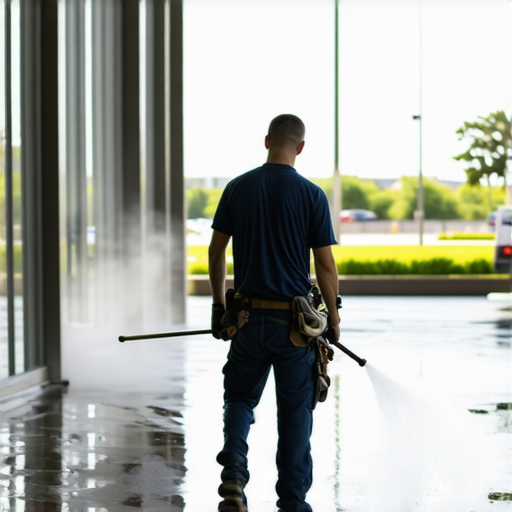
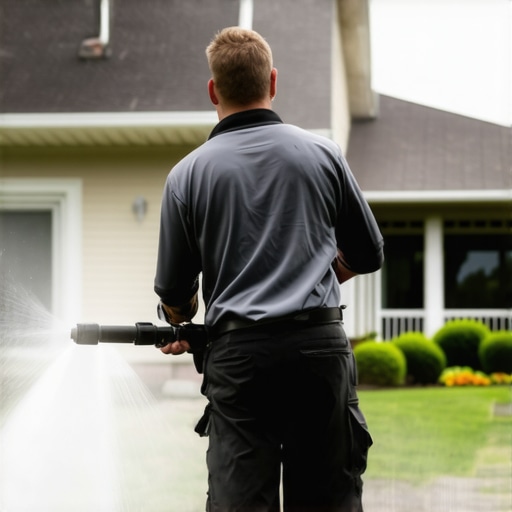
I’ll never forget the first time I tried power washing my driveway. I was eager to see that surface gleam, but after hours of struggle, I was left with streaks, missed spots, and a sinking feeling that I’d wasted my time—and my money. That lightbulb moment hit hard: I needed to understand the real game-changers in power washing. Now, after years of experimenting, I know the secret isn’t just in pulling the trigger—it’s in using the right techniques and equipment to get trustworthy results every time.
Why Power Washing Can Be a Game Changer in 2024
Power washing is more than just a way to boost curb appeal. It’s a crucial step in maintaining your property’s value and safety. And with new tools and strategies emerging in 2024, there’s no reason to settle for mediocre results. Whether you’re a homeowner looking to freshen up your space or a professional aiming for top-tier results, understanding the latest techniques is essential. Believe me, the difference between a rushed job and a professional finish lies in the details—details that can make or break your results.
Have you ever faced disappointing cleaning results despite spending hours on the job?
Early in my journey, I made a common mistake: I used a generic pressure washer without considering the type of surface or the right nozzle. That led to uneven cleaning and even damage in some cases. It was a costly lesson, but it taught me the importance of tailored strategies and quality equipment. For a comprehensive understanding of effective power wash strategies and equipment, I recommend checking out this detailed guide.
So, if you’re tired of inconsistent results or worried about damaging your surfaces, keep reading. I’ll walk you through the top techniques and equipment tips that will elevate your power washing game in 2024. Ready to transform your cleaning routine? Let’s get started!
Choose the Right Equipment for Precise Cleaning
Starting with the proper tools sets the foundation for successful power washing. I remember one summer day when I grabbed my old, generic pressure washer without considering the surface type. The result? Streaks on the siding and a layer of dirt still clinging to the driveway. That lesson prompted me to invest in quality equipment tailored for each surface. For durable and effective cleaning, explore this guide on top equipment. In 2024, utilizing the latest in high-efficiency nozzles, adjustable pressure settings, and surface-specific attachments will dramatically improve your results.
Many DIY enthusiasts and even some professionals fall into the trap of believing certain myths about power washing that can actually lead to surface damage or subpar results. Let’s dig deeper into what most people get wrong about effective power washing and how to avoid costly mistakes.
Why Believing in These Myths Can Cost You
One of the most widespread misconceptions is that higher pressure always equals better cleaning. While it might seem logical—more pressure should mean more dirt removal—the truth is that excessive pressure can damage delicate surfaces like wood siding, soft brick, or painted surfaces. Instead, the key lies in understanding the surface-specific pressure settings and using the right nozzle to control the flow. To get a comprehensive understanding of how to match equipment settings with surfaces, check out this guide on effective strategies.
Is Using the Same Technique on Every Surface a Good Idea?
Absolutely not. Many assume that a one-size-fits-all approach works, but surfaces vary greatly in their durability and cleaning needs. For example, concrete can handle higher pressure, but sidings and roofs require gentler techniques to prevent damage. Advanced professionals tailor their approach by adjusting pressure, nozzle type, and distance from the surface, which significantly improves results and prolongs the lifespan of your surfaces. This nuance is often overlooked by beginners but is vital for trustworthy results. For surface-specific tips, see this detailed equipment guide.
Another common mistake is neglecting the importance of proper technique—like keeping the nozzle at the correct angle or distance. Improper technique can cause streaks, uneven cleaning, or even permanent damage. Remember, power washing isn’t just about brute force; it’s about precision, which is why understanding the nuances can make a world of difference.
Don’t Fall for These Power Washing Traps
One trap to avoid is the temptation to rent cheap, low-quality equipment. These machines often lack the necessary pressure control and can be unreliable, leading to inconsistent results or damage. In 2024, investing in quality equipment and understanding how to use it effectively is crucial. You can learn more about selecting the right tools in this equipment guide.
Additionally, many underestimate the importance of surface preparation and post-cleaning care. Proper pre-wetting, using appropriate cleaning solutions, and post-wash rinsing safeguard your surfaces and extend the longevity of your work.
Have you ever fallen into this trap? Let me know in the comments. The key to mastering power washing lies in understanding the nuances and avoiding common myths that can sabotage your efforts. With the right knowledge and tools, you can achieve professional results every time!
Keeping your power washing equipment in top shape is crucial for reliable, professional results. Over the years, I’ve discovered that routine maintenance and using the right tools not only extend the lifespan of your gear but also ensure consistent performance. In 2024, the trend leans heavily towards smart maintenance routines and high-quality attachments that adapt to various surfaces, making your job easier and more effective.
How do I maintain my power washing equipment over time?
First, always flush your pressure washer with clean water after each use to prevent mineral buildup, which can clog nozzles and damage internal components. I recommend using a specialized pump protector like this pump protector—it forms a protective film that guards against corrosion and extends the life of your pump. Additionally, regularly inspecting hoses, nozzles, and filters for wear and tear helps catch issues early. Replacing worn-out nozzles with high-efficiency models can significantly improve your cleaning results, especially on delicate surfaces.
Another tip is to store your equipment properly—preferably in a dry, temperature-controlled environment. This prevents rust and degradation of seals, which are common pitfalls if stored improperly. Investing in a quality nozzle cleaning kit allows you to maintain optimal spray patterns and prevent clogs, ensuring each job is done with precision. For a comprehensive overview on maintenance strategies, check out this detailed guide.
Looking ahead, I believe that the integration of smart sensors and IoT devices into power washing equipment will become more prevalent. These tools will monitor pressure, flow rate, and even predict maintenance needs in real-time, reducing downtime and boosting efficiency. Embracing such innovations now can give you a competitive edge. So, I encourage you to try out an advanced maintenance tip: install a pressure sensor that links with your smartphone. It allows you to track performance metrics and receive alerts for potential issues—making your maintenance routine smarter and more proactive.
Upgrade Your Tools for Better Results
Choosing the right attachments can make or break your cleaning effectiveness. I personally favor adjustable nozzles with multiple spray angles because they offer versatility and control. For example, a 25-degree nozzle is perfect for general cleaning, while a 15-degree one provides more concentrated power for stubborn stains. Surface-specific tips, like rotary nozzles, are invaluable when tackling textured surfaces or heavy grime, but I always use them cautiously to avoid damage.
In 2024, I recommend investing in high-quality extension wands and quick-connect systems. These tools save time and reduce fatigue, especially on large jobs. Additionally, surface cleaners designed for flat surfaces like decks or driveways can drastically improve efficiency, providing even coverage without streaks. To get the best bang for your buck, explore this comprehensive equipment guide.
By maintaining your gear meticulously and upgrading your attachments, you’ll ensure that your power washing results are consistent, professional, and long-lasting. Don’t forget: the future of power washing lies in integrating smart maintenance tools and precise equipment—so start exploring these options today and elevate your cleaning game!
The Hardest Lesson I Learned About Power Washing
Early on, I believed that cranking up the pressure was the fastest way to clean. Turns out, this myth led to surface damage and uneven results. The breakthrough came when I realized that surface-specific pressure settings and nozzles are crucial. Now, I always tailor my approach, saving time and preserving surfaces.
My Essential Toolkit for Power Washing Success
Investing in quality equipment has been a game changer. I swear by high-efficiency nozzles and surface-specific attachments, which you can explore in this guide. These tools ensure consistent, professional results, even on tricky surfaces like textured concrete or delicate sidings.
Don’t Wait to Transform Your Power Washing Routine
Now is the perfect time to elevate your skills. Whether you’re tackling your driveway or prepping a property for sale, mastering the nuances of power washing will boost your confidence and results. Remember, every surface is different, and the right techniques make all the difference. So, what’s your biggest power washing challenge? Share below—I’d love to hear your story!
Reading this post really resonated with me because I also underestimated the importance of using the right nozzles and equipment when I first started power washing. Like the author, I experienced streaks and uneven results, which was frustrating, but it taught me a lot. Since then, I’ve invested in better gear and taken the time to learn surface-specific techniques. I’ve found that not only do my results improve, but I also save time and avoid costly damage. One thing I’ve been experimenting with recently is surface cleaners for large flat areas like driveways—they really make the job more efficient. My question for others here is: how do you decide what pressure and nozzle to use for delicate surfaces like painted wood or soft brick? I’d love to hear tips on balancing effective cleaning with surface safety, especially from those with more experience than me.
This post hits the mark on how crucial the right tools and techniques are in power washing. I remember initially overestimating the power of high pressure, causing damage to my wooden deck. Since then, I’ve learned that lower pressure with the appropriate nozzle preserves delicate surfaces while still getting the job done. The idea of surface-specific settings is a game changer. I’ve been experimenting with different surface cleaners and adjustable nozzles, and the results are noticeably better. Curious, how do others decide on the best cleaning solutions or pre-treatments for stubborn stains? I’ve found that combining eco-friendly degreasers with proper water pressure can really boost outcomes without harming surfaces. Also, routine maintenance of my equipment, like flushing and inspecting nozzles, has made a big difference in maintaining consistent results. What maintenance tips or accessories have you found essential for keeping your power washer in top shape? Would love to hear your experiences or product recommendations for surface-specific attachments.
This post really hits home for me, especially the part about tailoring the pressure and using surface-specific techniques. I’ve learned the hard way that every surface needs its own approach—trying to clean soft brick or delicate siding with high pressure almost always backfires. I’ve started experimenting with lower PSI settings and different nozzles for different jobs, and the results are much better. I also found that pre-treating stubborn stains with eco-friendly solutions can significantly reduce the need for harsh pressure, which helps protect surfaces in the long run. Does anyone have recommendations for reliable surface-specific attachments or nozzles? I’m particularly interested in tools that can make my workflow more efficient without sacrificing cleaning quality. It’s fascinating how much a small adjustment can improve the outcome—and save time and money, too. What’s been your biggest breakthrough in customizing power washing for different surfaces? Would love to hear some personal success stories or tips!