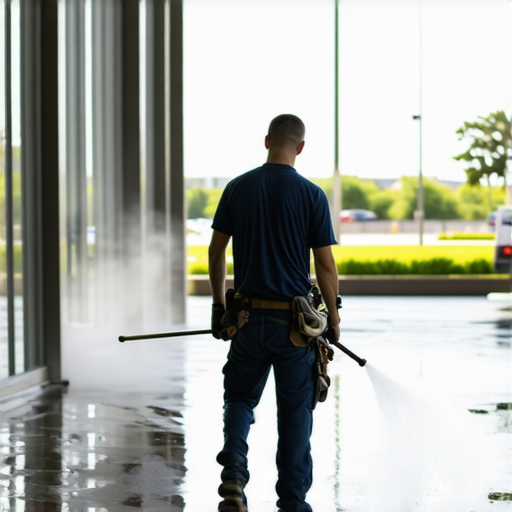

One sunny Saturday, I grabbed my power washer, ready for a deep clean of my home’s exterior. I pushed the trigger, and suddenly, I heard a disturbing crack—a splintering sound coming from my brick siding. My heart sank. I realized too late that I had been reckless, blasting away in areas that were more fragile than I thought. Have you ever experienced that moment of shock, wondering if your power washing efforts might have caused more harm than good?
Why Proper Power Washing Spots Save You Money and Stress
Power washing can make your home look stunning. But if you focus on the wrong areas, you might end up with costly repairs that could set you back in 2026—and beyond. It’s tempting to blast away dirt and grime with gusto, but some surfaces are delicate and require a gentler touch. Over time, I learned that knowing which spots to avoid isn’t just about preserving your surface—it’s about safeguarding your wallet and peace of mind.
Is Power Washing Safe for Every Surface?
Early in my experience, I made the mistake of assuming that more pressure was always better. Turns out, using high pressure on certain materials can cause irreversible damage, leading to cracks, peeling, or worse. For example, I once mistakenly sprayed my wooden deck with full force, only to spend weeks sanding out the scratches. That lesson stuck with me. It’s crucial to understand which areas need a softer approach. For insights on effective techniques, check out this [trusted guide on power washing techniques](https://pressurewashpross.com/power-washing-techniques-expert-tips-to-enhance-your-results-in-2024) that saved me from repeating similar errors.
So, what are the spots you should definitely avoid? Stick around, because identifying these areas will help you prevent costly repairs and keep your home looking its best without unintended damage. The next step is to learn exactly where to be cautious—and how to do it right.
Choosing the Right Equipment for Your Job
Start by selecting a power washer with appropriate pressure and flow rate, tailored to your surface. For delicate areas like siding or wood, opt for a machine with adjustable pressure settings to avoid damage. Use a [recommendation guide](https://pressurewashpross.com/effective-power-washer-equipment-tools-for-lasting-powerwashing-success) to ensure your equipment matches your cleaning needs. I once borrowed a high-pressure commercial unit for my home’s brick siding, which resulted in chips. Using the proper equipment prevented future mishaps.
Preparing Your Workspace and Materials
Clear the area of furniture, plants, and fragile decorations. Cover shrubs and electrical outlets with plastic guards. This preparation shields your landscape and components from unintended spray or splash-back. Consider taping electrical outlets and switches to safeguard them. Remember, a well-prepared space makes the cleaning process smoother and safer, much like preparing a battlefield before the fight.
Using Correct Nozzle and Spray Technique
Choose a nozzle with an appropriate spray angle—typically 25 or 40 degrees for general cleaning. For surfaces requiring gentle care, like painted siding, switch to a wider angle to disperse force. Maintain a consistent distance—about 2 feet—until you are familiar with how surfaces react. I once used a 15-degree nozzle on my wooden fence, causing splintering. Learning to match nozzle and technique saved me repair costs and frustration. For detailed guidance, check out this article on proven techniques.
Keep Moving in Smooth, Overlapping Strokes
Work in horizontal or vertical lines, overlapping each pass by 50%. This ensures uniform cleaning and prevents streaks. Avoid lingering in one spot to prevent gouging or etching. During my last project, I moved steadily from left to right, overlapping each stroke slightly, which resulted in an even, streak-free finish. Think of your spray as a paintbrush—steady, deliberate, consistent.
Adjusting Pressure for Surface Sensitivity
Start with the lowest pressure setting and gradually increase if needed. For delicate surfaces, use a wide spray angle and gentle motion. Use a wider spray pattern to distribute pressure evenly, reducing the risk of damage. My mistake was starting at max pressure, which caused paint peeling on my porch. Now, I always test a small hidden area first. Proper adjustment is crucial for avoiding costly repairs later.
Applying Detergent Smartly
If dirt is stubborn, pre-treat with a biodegradable detergent suitable for pressure washing. Use a foam canon or low-pressure nozzle to apply it evenly. Let it sit for 5-10 minutes, but don’t let it dry out. Agitate with a soft brush if needed. I learned this when heavy grime on my driveway refused to budge; applying detergent first eased the removal process significantly. For optimal results, investigate [top equipment](https://pressurewashpross.com/effective-power-washing-equipment-tips-for-lasting-powerwashing-success).
Many homeowners and even seasoned DIY enthusiasts assume that increasing pressure is always the best way to achieve a spotless surface. However, this common misconception can lead to significant surface damage, especially if you’re unaware of the nuances involved in power washing. Contrary to popular belief, more pressure doesn’t necessarily mean better cleaning; in fact, it often results in irreparable harm, such as gouges, paint peeling, or even structural compromises. To truly master power washing, understanding these subtle differences is essential.
Beware of the ‘One-Size-Fits-All’ Mindset
One of the biggest mistakes I see is people using the same pressure setting regardless of the surface. Wooden decks, vinyl siding, brick facades, and delicate paint each demand different approaches. For example, a high-pressure jet can strip paint or splinter wood if used incorrectly. Expert tips emphasize tailoring pressure and nozzle choices to specific materials, which can save you costly repairs down the line. Don’t fall into the trap of relying solely on brute force; instead, leverage the right equipment and techniques for each job.
Another misconception is that the bigger the nozzle number, the more power it delivers. Actually, a wider spray angle reduces concentrated force, making cleaning safer for fragile surfaces. Using a narrow, high-pressure nozzle on soft surfaces is a recipe for disaster. Finding the perfect nozzle and pressure balance is a nuanced skill that separates amateur attempts from professional results.
Advanced Mistake: Overlooking Surface Composition
Many overlook the importance of understanding the surface composition—porosity, material type, and age—all influence the cleaning approach. For instance, older brick or mortar might be more brittle and require fewer passes at lower pressure. Ignoring these nuances can lead to peeling mortar or creating microscopic cracks that weaken the structure over time. A detailed knowledge of material properties, supported by reputable sources like industry standards from the Power Washers of America, can help you avoid these pitfalls.
Moreover, incorporating pretreatment with appropriate detergents can enhance results while minimizing mechanical force. This aligns with strategies outlined in recent expert guides, which advocate for a balanced combination of chemical and physical methods.
In conclusion, the key to effective and damage-free power washing isn’t just about cranking up the pressure but understanding the nuanced relationship between surface type, equipment, and technique. By shifting your mindset from brute force to precision, you’ll extend the lifespan of your surfaces and achieve professional-grade results. Have you ever fallen into this trap? Let me know in the comments.
Maintaining your power washer isn’t just a routine chore; it’s the foundation of consistent, high-quality results. Regular upkeep ensures your equipment operates efficiently, extends its lifespan, and saves you money on repairs or replacements. One crucial aspect is checking and replacing high-wear parts like seals, nozzles, and hoses every season, depending on usage. Personally, I schedule a comprehensive inspection after each major project, using a checklist adapted from this expert resource. This proactive approach prevents unexpected breakdowns and maintains pressure consistency, which is vital for avoiding surface damage and achieving professional results.
Investing in quality tools significantly enhances maintenance practices. For example, I prefer auto-priming pumps that reduce the risk of dry running damage and facilitate easier maintenance. Additionally, digital pressure gauges help me monitor real-time performance and detect anomalies early, such as pressure drops indicating clogs or pump wear. Using the right accessories, like variable spray nozzles and quick-connect fittings, also simplifies the process of customizing tools for different surfaces, reducing wear and tear.
Moreover, incorporating routine cleaning of filters and inspecting the water inlet prevents debris from damaging internal components. I recommend establishing a maintenance schedule aligned with your usage intensity—bi-weekly checks for professional-grade machines or monthly for occasional use. Over time, I’ve observed that proper lubrication of moving parts, following manufacturer specifications, decreases operational friction and prolongs component life. These practices not only preserve your equipment but also ensure safety and compliance with warranty conditions.
Looking ahead, trends like smart diagnostics and IoT-enabled pressure washers are emerging, promising even more precise maintenance alerts and remote troubleshooting capabilities. Staying ahead in maintenance routines positions you to handle long-term results effectively. For detailed technical insights, consulting industry standards such as those outlined by Power Washers of America can be invaluable.
How do I keep my power washer running smoothly over time?
The key is adopting a systematic maintenance routine that includes regular inspections, using high-quality replacement parts, and staying informed about emerging tools and techniques. I suggest starting today by inspecting your nozzles and replacing worn components—it’s an easy step that can drastically improve your results. Don’t forget, mastering these maintenance habits ensures your equipment remains reliable for all your upcoming projects, whether tackling a small patio or a large commercial facade.
3 Unexpected Lessons That Changed How I Power Wash Forever
One of the most valuable insights I gained was realizing that patience and observation trump brute force. Rushing through a power washing project often led to mistakes like missed spots or surface damage. Taking time to understand each material’s limitations transformed my results and saved me money. Another lesson was how pre-treatment with quality detergents minimized physical effort while boosting effectiveness, proving that chemical strategy is just as important as the spray itself. Lastly, I discovered that continuous maintenance of my equipment not only extended its lifespan but also maintained consistent cleaning power, preventing costly breakdowns that could derail my projects.
My Go-To Resources for Power Washing Success
For equipment choices, I rely on this comprehensive guide. It helped me select tools tailored to various surfaces, ensuring safe and efficient cleaning. When I want to refine my technique, I turn to this expert resource filled with actionable tips. For maintenance routines, these best practices keep my equipment performing like new. Trusting these sources has elevated my power washing projects from average to professional quality.
Your Next Power Washing Adventure Starts Now
Every surface has a story, and your ability to clean it safely and effectively makes you a true home care hero. Remember, mastering power washing is a journey of continuous learning and improvement. Don’t wait for the perfect moment—start today with what you’ve learned here, and watch your confidence grow. Whether it’s your driveway, siding, or deck, each project is an opportunity to shine. Your surfaces deserve this level of care, and with patience and the right tools, you’ll see astonishing results. Now, what will you clean first?