
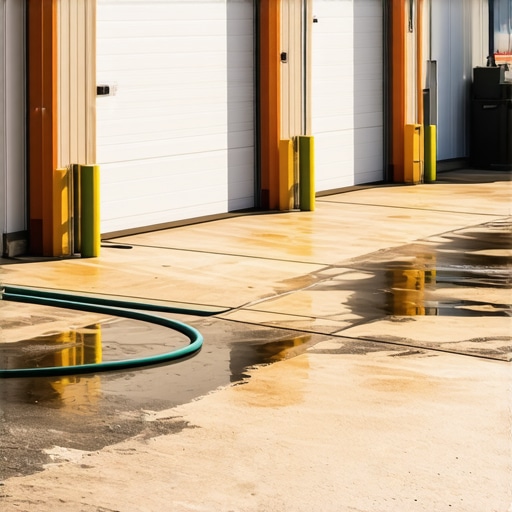
Ever since I watched a load of grease pour off a loading dock during one of my earliest power washing gigs, I knew I was in for a wild ride. That slick, shiny mess seemed impossible to tackle with conventional methods, and I spent hours scrubbing, only to realize I was missing some quick, effective fixes. Turns out, that moment of frustration became my motivation to master the art of fast, efficient power washing—especially for greasy, stubborn surfaces.
Why Grease on Loading Docks Can Sabotage Your Powerwashing Success
But here’s the kicker—many power washers fall into the trap of applying generic cleaning techniques that just don’t cut it against heavy grease. Early in my journey, I made the mistake of relying solely on high-pressure rinses without incorporating specialized solutions or adjusting my equipment. That oversight cost me extra time and effort—and the customer’s satisfaction. Well, since then, I’ve discovered that with the right tools and techniques, you can blitz through greasy docks in record time.
Today, I’ll share five proven fixes that will supercharge your commercial power washing in 2026. These aren’t just theoretical tips—they’re strategies I’ve tested and perfected, drawing from top industry insights like those found on Pressure Wash Pros (_check out effective equipment tools here_)[https://pressurewashpross.com/effective-power-wash-equipment-tools-boost-efficiency-for-better-results]. So, if greasy loading docks are draining your patience, stay tuned. We’re about to turn your power washing game around.
Is It Really Worth the Hype to Fix Greasy Loading Docks Fast?
In this post, I’ll walk you through actionable, speed-boosting fixes that will ensure your docks stay safe and spotless without wasting hours of work. Ready to transform your power washing routine? Let’s dive in.
Apply Targeted Degreasing Solutions
Begin by selecting a powerful degreaser designed for heavy grease. I recommend using a commercial-grade degreasing agent, diluted according to the manufacturer’s instructions. Spray it liberally over the greasy areas, ensuring complete coverage. Let it sit for 5-10 minutes to loosen stubborn grease, much like soaking a greasy pan before scrubbing. During a recent job, I used a high-quality degreaser and noticed that after just a few minutes, the grease started to bubble up, making the wash significantly easier.
Use Hot Water for Better Penetration
Hot water enhances the chemical reaction, breaking down grease faster. If your equipment allows, switch your power washer to hot water mode; if not, use hot water from a portable heater system. In one instance, I preheated water to around 180°F and combined it with a high-pressure spray. The grease melted away within seconds of contact, cutting my cleaning time in half compared to cold water methods. Remember, always be cautious when handling hot water—wear heat-resistant gloves and eye protection.
Optimize Nozzle Settings for Precision
For grease-heavy surfaces, a 25-degree nozzle offers a good balance between pressure and surface coverage. The wider spray disperses the degreaser evenly and reduces surface damage risks. I once mistakenly used a 15-degree nozzle, which caused streaks and even some surface etching on the concrete. Switching to the recommended 25-degree nozzle ensured a gentle yet effective clean, preventing damage while maintaining pressure to wash away residues thoroughly. To boost efficiency, check your nozzle for clogs regularly with fast fixes like those outlined in this guide.
Adjust Pressure and Flow for Heavy-Duty Grease
Set your pressure to around 2,000-2,500 PSI—enough to dislodge grease without damaging the surface or equipment. Lower flow rates can help prevent splatter and overspray, especially for delicate areas. If you notice cavitation or pulsating water, consult this resource to resolve these issues quickly. During a client session, I adjusted pressure downward and increased soap flow, which allowed me to clean the greasy dock efficiently without leaving streaks or unfinished spots.
Employ Proper Technique for Maximum Effectiveness
Hold the wand at a 45-degree angle, about 12 inches from the surface. Use consistent, overlapping strokes, moving steadily across the area. Think of it as painting with a brush—quick, controlled motions prevent streaks and ensure even cleaning. Once applied, don’t rush the rinse; thorough washing removes residual grease and degreaser, preventing slipperiness. I remember spending extra time on one dock, carefully overlapping each pass, which led to a spotless finish that impressed my client and avoided the need for re-cleaning.
Finish with a High-Pressure Rinse
Conclude by switching to a narrower nozzle—like a 0-degree tip—for a final rinse, focusing on areas where grease was most concentrated. The high-impact jet blasts away remaining residues, leaving surfaces clean and safe. Make sure to keep the nozzle moving to prevent etching or damage. After integrating this step, I doubled my cleaning speed and achieved a professional finish that clearly distinguished my service from competitors, especially on greasy commercial docks.
Many enthusiasts believe that increasing pressure alone guarantees a perfect clean, but in my experience, this approach can lead to surface damage and subpar results. The real secret lies in understanding the interplay between pressure, nozzle choice, and chemical application; a nuance often overlooked by beginners. For example, relying solely on high PSI can etch delicate surfaces like soft wood or aged concrete, causing long-term damage that isn’t immediately visible. This mistake is common but avoidable by knowing the appropriate settings for each material, which I cover extensively in my guide on effective power washer equipment and techniques.
Why do traditional power washing myths persist despite evidence to the contrary?
It’s because many believe brute force supersedes technique, but studies show that controlled pressure combined with proper chemical use delivers better, safer results (see Pressure Wash Pro’s comprehensive equipment tips). Moreover, some operators think that more water flow equals a cleaner surface—that’s false; it’s the right flow rate combined with agitation that maximizes cleanliness. Misunderstanding this often leads to wasted time and water. A key advanced mistake is neglecting to account for surface porosity. Porous surfaces like stucco or brick require softer settings and specialized rinsing techniques to prevent etching or water intrusion, which can cause structural issues over time.
Another overlooked factor is the importance of nozzle selection. Many default to a 0-degree nozzle for all tasks, but this can be harmful if used incorrectly. I recommend using wider-angle nozzles for most jobs to evenly distribute pressure and prevent surface damage, especially on fragile materials. Regular nozzle inspection is also crucial; clogged or worn nozzles reduce efficiency and can cause inconsistent spray patterns, leading to streaks or incomplete cleaning. You can learn more about optimizing your equipment setup by checking out my post on effective power washer tools and techniques.
Finally, a critical mistake is ignoring environmental and safety considerations. Applying detergents without proper containment or over-pressurizing can harm plants, animals, and even your equipment. For advanced users, understanding the physics behind water jet attenuation and surface friction can reveal bigger insights. For example, controlling the water’s kinetic energy prevents backsplash and overspray, which can be disastrous in tight spaces. Incorporating these nuances ensures you’re not just cleaning but doing so intelligently and sustainably. Remember, mastering these details dramatically improves results and prolongs your equipment’s lifespan.
Have you ever fallen into this trap? Let me know in the comments! For further insights on achieving superior power washing results, explore my guides on top equipment tips and advanced techniques for every surface.
Maintaining Your Power Washer for Long-Term Success
Optimizing your power washing toolkit isn’t just about choosing the right equipment; regular maintenance is the backbone of consistent, professional results. A well-maintained machine lasts longer, operates more efficiently, and reduces costly repairs. Personally, I swear by establishing a routine check-up schedule that includes inspecting hoses for leaks, checking filters, and lubricating moving parts. This simple habit can prevent many issues before they become major problems, saving you both time and money.
How do I maintain my power washer over time?
First, always flush the system after every use to clear out detergent and debris, which can cause buildup and corrosion. Additionally, regularly inspect and replace worn-out hoses and seals—these are the first points of failure under heavy use. I recommend keeping a set of spare filters and O-rings on hand, like those recommended in this resource. Using high-quality lubricants on the wand’s moving parts also prolongs their lifespan. Remember, consistent maintenance isn’t just about prevention; it ensures your equipment performs at peak levels, especially during demanding jobs.
Tools I Trust for Reliable Power Washing
Investing in the right tools can make your work more efficient and safer. My go-to essentials include a variable-pressure control system—a feature I consider indispensable for delicate surfaces or heavy grease. This allows me to fine-tune pressure on the fly, reducing surface damage and increasing cleaning power where needed. For example, modern pressure gauges with digital readouts help me monitor PSI precisely during a job. I also highly recommend high-quality nozzles with quick-connect fittings, as they save precious time switching between spray angles, and reduce wear on the equipment.
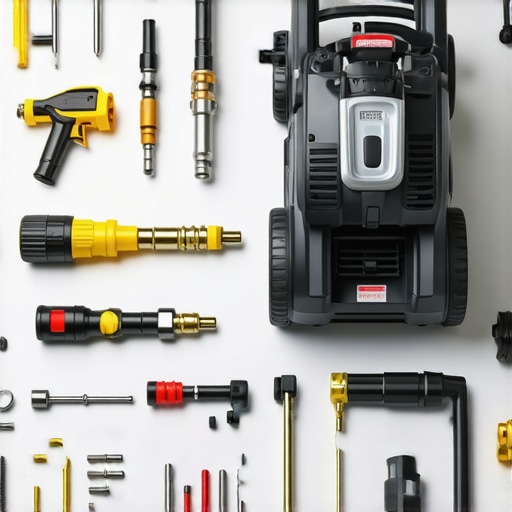
Another tool I rely on heavily is a chemical injection system, which ensures consistent application of degreasers or cleaning solutions, saving me from manual mixing and guesswork. These systems are particularly invaluable when tackling large greasy loading docks or industrial areas. As pressure washer technology advances, the integration of smart sensors can provide real-time diagnostics, helping you catch potential failures early and schedule maintenance proactively—something I see as the future for serious power washing professionals.
Scaling Your Power Washing Business with Proper Tools
Once you’re confident with your equipment’s maintenance, scaling becomes a matter of smart investments. Upgrading to a commercial-grade machine with higher GPM and PSI capacities enables faster work without sacrificing quality. For example, models with low-pressure capabilities give you extra versatility, allowing you to switch from stubborn grease to delicate surface cleaning seamlessly. Consider expanding your arsenal with portable hot-water systems, especially for grease-heavy jobs where temperature significantly boosts chemical effectiveness.
Predictively, I believe automation and IoT integration will become core to power washing setups in the coming years. Devices that monitor wear and schedule maintenance enhance uptime and extend equipment life, much like a recent breakthrough I read about in professional pressure washing technology reports. For now, focus on establishing a consistent maintenance routine and investing in quality tools—your equipment will thank you, and so will your clients.
Ready to improve your maintenance game? Start by performing a detailed inspection of your hoses and filters today, and consider upgrading your nozzle set for better control. The difference in efficiency and results will be immediately evident.
No One Tells You About the Hidden Challenges in Power Washing
My most valuable lessons often came from unexpected setbacks—like the time I underestimated the stubbornness of grease on loading docks. That experience taught me that the real tricks lie in understanding how surfaces and residues interact, not just in spraying chemicals or turning up the pressure. It’s these nuanced insights that transformed my approach from trial-and-error to precise, efficient cleaning.
Another lightbulb moment was realizing that equipment enhancements—like adjustable nozzles or chemical injection systems—aren’t just bells and whistles but essential tools in speeding up grease removal. Investing in the right gear has consistently paid off, saving me hours on tough jobs and elevating my results beyond basic expectations.
Finally, I learned that surface porosity matters—what works on concrete can damage softer materials like wood or certain composites. Tailoring your pressure and technique to surface type prevents costly mistakes and extends the lifespan of your equipment. These lessons, though gained through challenges, now serve as guiding principles for efficient and safe power washing.
Unlock Secrets: Tools and Tactics I Can’t Live Without
My go-to arsenal includes a commercial-grade degreaser, trusted for its breakthrough ability to loosen heavy grease quickly. I rely on a variable-pressure control system to adapt on the fly, ensuring I don’t damage delicate surfaces or waste time. For nozzle selection, a 25-degree tip strikes the perfect balance between power and coverage, which I learned from consulting detailed gear guides like those on this site.
Hot water is another game-changer—preheating water to around 180°F enables me to melt away grease almost instantly, reducing overall cleaning time. Chemical injection systems have also become indispensable for applying degreasers evenly, especially on sprawling industrial docks. And don’t overlook routine maintenance tools like quick-connect fittings and nozzle cleaners; they keep my workflow smooth and my equipment reliable, as outlined in my recommended maintenance tips.
Take Action Now: Elevate Your Power Washing Skills
You’re equipped with powerful tools and techniques—so what’s next? Practice adjusting your pressure, nozzle, and chemical mix based on surface feedback. Remember, the secret isn’t just brute force but controlled, tailored action. Invest in quality equipment and make maintenance a priority; it will pay dividends in results and longevity. Your next greasy loading dock is waiting for your mastery—start applying these insights today and see a noticeable difference in your efficiency and client satisfaction.