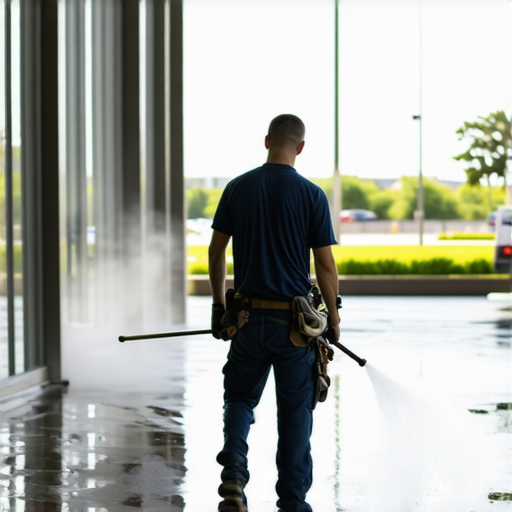
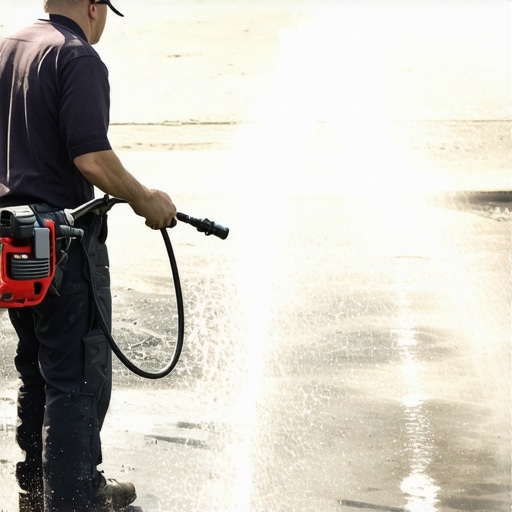
Ever blasted away dirt and grime only to be disappointed by lackluster results? I’ve been there more times than I can count. One weekend, I thought I’d save a few bucks and skip the right technique. The outcome? A streaky, uneven mess that made me question my entire power washing approach. That lightbulb moment made me realize something crucial: even the best power washer needs the right knowledge and strategy to truly shine. If you’ve ever faced similar frustrations, you’re not alone. Today, I’m going to share how you can significantly boost your power washing results in 2024 with simple yet powerful tips that turn your DIY efforts into professional-grade cleanings.
Why Proper Power Washing Matters More Than Ever
In 2024, the importance of effective power washing isn’t just about aesthetics—it’s also about maintaining the value and longevity of your property. Dirty surfaces, mold, algae, and grime can cause long-term damage if not addressed properly. Plus, with new equipment and techniques emerging, it’s easier than ever to get professional results at home—but only if you know how. According to recent studies, a well-executed power wash can increase your home’s curb appeal by up to 10%, which is a huge boost for resale value. But achieving that level of cleanliness requires more than just spraying water. It’s about knowing the right pressure, nozzle, and cleaning solution for each surface.
Have you ever felt overwhelmed by all the different tips and equipment options out there? I get it. I remember my first attempt—using the wrong nozzle and blasting my siding with too much pressure, which caused damage rather than cleanliness. That mistake was a costly lesson, but it also pushed me to learn the best practices. If you’re ready to avoid those pitfalls and get trustworthy results, keep reading. I’ll guide you through proven strategies that work in 2024, backed by real experience and expert advice. Trust me, the difference between a mediocre job and a stellar one is often just a few smart adjustments. Want to start transforming your surfaces today? Let’s dive into the practical steps that will elevate your power washing game.
Is Power Washing Really Worth the Effort and Cost?
One common concern I hear is whether investing in better techniques or equipment is really worth it. Early on, I thought I could just rent a machine and go. Boy, was I wrong. I wasted time, water, and money on ineffective results. The truth is, without the right tools and techniques, even the most powerful machine can fall flat. It’s like using a fancy camera without knowing how to shoot—half the results come down to technique. I’ve learned that combining quality equipment with proven methods makes all the difference. If you’re skeptical, know that many homeowners have seen remarkable improvements after adopting expert strategies. Curious how to do it? Check out this comprehensive guide on power washing tips that boost results and see the transformation for yourself.
Choose the Right Nozzle and Pressure Settings
One of the most critical steps in power washing is selecting the correct nozzle and pressure. I remember my first attempt, where I used the widest nozzle, thinking it would be gentler, but it barely cleaned the surface. Later, I tried a narrower nozzle with higher pressure, which quickly stripped paint from my siding. The secret is understanding that different surfaces require different settings. For delicate areas like wood or painted surfaces, opt for a 25 or 40-degree nozzle and lower pressure to prevent damage. For concrete or brick, a 15-degree nozzle with higher pressure works best. Always start with the lowest pressure and increase gradually—this prevents accidental damage and ensures you don’t waste water or energy. To learn more about selecting the best settings, check out this comprehensive guide on power washer settings.
Use Proper Cleaning Solutions and Application Techniques
Water alone rarely does the trick, especially when dealing with mold, algae, or heavy grime. I once tried to power wash my driveway with just water, only to realize the dirt was still clinging stubbornly. That’s when I discovered the importance of applying the right cleaning solutions. For surfaces like concrete or siding, use a biodegradable detergent or a specialized cleaner. Always dilute the solution according to the manufacturer’s instructions, and apply it with a pump sprayer or low-pressure nozzle. Let it sit for 5–10 minutes to break down dirt and stains, then rinse thoroughly. Using a foam cannon can help distribute the solution evenly and save you time. Remember, applying solutions effectively is key to achieving that professional-looking finish. For detailed tips, explore this article on effective cleaning solutions for power washing.
Master the Technique of Overlapping Passes
Driving the wand in straight lines and overlapping each pass is essential for even cleaning. I used to zigzag randomly, leaving streaks and missed spots. Now, I make sure each pass overlaps the previous by at least 50%. Think of it as mowing a lawn—consistent, overlapping strokes ensure no patch is missed. Keep the wand at a consistent distance—about 12–18 inches from the surface—and move steadily. Too fast, and you miss dirt; too slow, and you risk damage or oversaturation. Practice controlling your pressure and movement until you develop a smooth, uniform technique. This simple adjustment greatly improves your results. For more expert tips, visit this power washing success guide.
Focus on Proper Surface Preparation
Before blasting away dirt, prepare your surfaces by removing loose debris, plants, and outdoor furniture. I once skipped this step and ended up splattering mud onto my windows and porch. Clear the area, and cover delicate plants with plastic sheeting if needed. This prevents dirt and cleaning solutions from settling where they shouldn’t. Additionally, pre-wetting the surface with a garden hose can help loosen stubborn grime, making your power wash more effective. Proper prep ensures you won’t have to re-clean or risk damaging your property. For detailed surface prep techniques, see this power washing prep tips.
Maintain and Store Equipment Correctly
After a successful clean, clean your equipment thoroughly, checking for leaks or wear. I neglected this once and found my pressure washer performance dropping the next time I used it. Flushing out residual cleaning solutions and storing the machine in a dry, protected place extends its lifespan. Use recommended lubricants on moving parts and replace worn hoses or nozzles promptly. Well-maintained equipment not only works better but also lasts longer, saving you money in the long run. For maintenance best practices, review this maintenance guide for power washers.
Many DIY enthusiasts and even seasoned homeowners believe that power washing is straightforward: simply turn on the machine and spray away. However, this oversimplification leads to common mistakes that can compromise your results or damage your property. Let’s dig deeper into what most people get wrong about power washing, and how understanding these nuances can elevate your cleaning game in 2024.
Why the Myth of ‘More Pressure Means Better Cleaning’ Can Backfire
One of the most pervasive misconceptions is that cranking up the pressure will clean surfaces faster and better. While high pressure can be effective on concrete or stubborn stains, it’s often a trap when applied indiscriminately. Excessive pressure can strip paint, etch delicate surfaces like wood, or force water behind siding, leading to long-term damage. Expert power washers emphasize the importance of adjusting pressure settings based on the surface, which is a nuance many overlook. For instance, using the right nozzle and pressure for your siding can prevent costly repairs. If you want to master this, I recommend reviewing this guide on precise pressure control.
The Real Trap: Relying Solely on Water
Many assume that water alone can clean effectively, but this is a dangerous oversimplification. Without the right cleaning solutions, you’re just moving dirt around rather than removing it. Heavy grime, mold, or algae require specific biodegradable detergents that break down the stubborn residues. Applying solutions correctly—diluted properly, with even coverage—is essential for a professional finish. Skipping this step or rushing it is a common mistake that leaves surfaces looking dull and unclean. For advanced tips on choosing the right cleaning solutions, check out this article on effective cleaning solutions.
How Overlapping Passes Can Save Your Surface
Another overlooked nuance is the technique of overlapping passes. Many beginners move the wand in straight lines without overlap, resulting in streaks or missed spots. The secret is to overlap each pass by at least 50%, ensuring uniform coverage. This simple adjustment can dramatically improve results, making your surfaces look professionally cleaned. Practice controlling your wand’s movement and pressure to develop a smooth, consistent technique. Want more advanced tips? Visit this success guide.
Beware the Surface Preparation Oversight
Prepping surfaces properly is an often underestimated step. Failing to clear loose debris, cover plants, or pre-wet surfaces can cause dirt to splash back or cleaning solutions to be less effective. Additionally, neglected prep can lead to damage if you’re not careful with delicate surfaces. Proper preparation, including covering nearby shrubbery and removing obstacles, sets the stage for a flawless clean. For detailed tips, see this surface prep guide.
Have you ever fallen into this trap? Let me know in the comments. Mastering these nuances will not only protect your surfaces but also maximize your results, saving you time and money in the long run. Remember, effective power washing is as much about technique as it is about equipment. Stay sharp, and happy cleaning!
Keeping your power washer in top shape is crucial for consistent, professional results every time you tackle a cleaning project. Regular maintenance not only extends the lifespan of your equipment but also ensures optimal performance, saving you time and money in the long run. One of the first steps I recommend is flushing out your machine after each use to prevent residue buildup, especially if you’ve used cleaning solutions. Use fresh water to rinse the system thoroughly and remove any trapped debris that could cause blockages or corrosion. Additionally, inspecting hoses and nozzles for wear or cracks is vital — a small leak can drastically reduce pressure and cleaning efficiency. For detailed maintenance routines, check out this comprehensive guide on power washer upkeep.
Investing in quality accessories makes a big difference. I personally prefer using a variable pressure spray gun, which allows me to fine-tune pressure without changing nozzles constantly. It’s a game-changer for delicate surfaces like wood or painted siding. A foam cannon also became a staple in my arsenal — it helps evenly distribute cleaning solutions, leading to better results and less waste. When choosing tools, prioritize durability and compatibility with your model. For example, I recommend the Turbo Nozzle for stubborn stains on concrete because it increases agitation without extra effort, making the job faster and more thorough. For expert-recommended equipment, explore this guide on top power washing tools.
Looking ahead, I believe the trend in power washing will shift toward smarter, more adaptable equipment. Innovations like app-controlled pressure regulators and eco-friendly cleaning solutions are becoming more prevalent. These advancements promise greater precision and sustainability, which are increasingly important in 2024 and beyond. As these tools evolve, I predict that maintaining and scaling your power wash setup will become even more straightforward, allowing homeowners and professionals alike to achieve consistently stellar results.
How do I keep my power washer working well over time?
Maintaining your power washer involves routine checks and proper storage. Always drain residual water from hoses and the pump after each session to prevent freezing or corrosion. Applying a light lubricant to moving parts like pistons and seals extends their life and maintains pressure consistency. During off-seasons, store your equipment in a dry, sheltered location, ideally elevated to prevent moisture damage. Periodically replacing worn nozzles and inspecting pressure gauges ensures your machine continues to perform at peak levels. For detailed maintenance tips, I recommend reviewing this expert advice on power washer care. Plus, using high-quality detergents and following manufacturer guidelines can prevent buildup and clogs, keeping your equipment running smoothly over years of use. Don’t forget to check the technical documentation for your specific model — it often contains crucial maintenance intervals and troubleshooting tips that can save you headaches later. Try incorporating a routine maintenance checklist into your schedule today, and experience how it enhances your cleaning results while extending your equipment’s lifespan.
The Hardest Lesson I Learned About Power Washing
One of the most eye-opening realizations I had was that more pressure isn’t always better. Early on, I believed cranking up the pressure would speed up cleaning, but I quickly learned that this often damages surfaces and wastes water. Finding the sweet spot for each surface has been a game changer, and it’s a lesson I wish I’d embraced sooner.
3 Myths About Power Washing That Held Me Back
I used to think that water alone could do the job, which led to disappointing results. It turns out, using the right cleaning solutions makes all the difference. Also, I believed that skipping surface prep wouldn’t affect the outcome—big mistake. Proper prep, like removing debris and pre-wetting surfaces, ensures a cleaner, safer finish.
What Experts Won’t Tell You About Power Washing
Most DIYers overlook the importance of equipment maintenance. Regularly cleaning and storing your power washer properly prevents costly repairs and ensures consistent performance. Investing in quality nozzles and accessories can save you time and improve results, even if it costs a bit more upfront. Trust me, these small upgrades pay off in the long run.
My Essential Toolkit for Power Washing
For reliable results, I rely on a variable pressure spray gun, a foam cannon for even detergent application, and a turbo nozzle for stubborn stains. These tools, combined with expert techniques, make my cleaning projects more efficient and effective. I recommend exploring this guide on top power washing tools to build your own arsenal.
Where to Go from Here
Power washing is a skill that improves with practice and knowledge. Stay curious, keep experimenting with different settings, and don’t shy away from learning from experienced professionals. Remember, the key to stellar results is combining the right tools with proven techniques. Ready to elevate your cleaning game? Dive into our detailed guides and start transforming your surfaces today!
Your Turn to Try
Have you ever struggled with choosing the right nozzle or pressure setting? Share your experiences below, and let’s learn from each other’s power washing adventures!