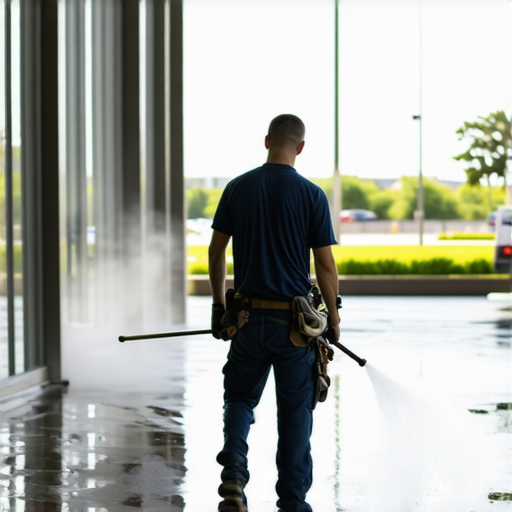
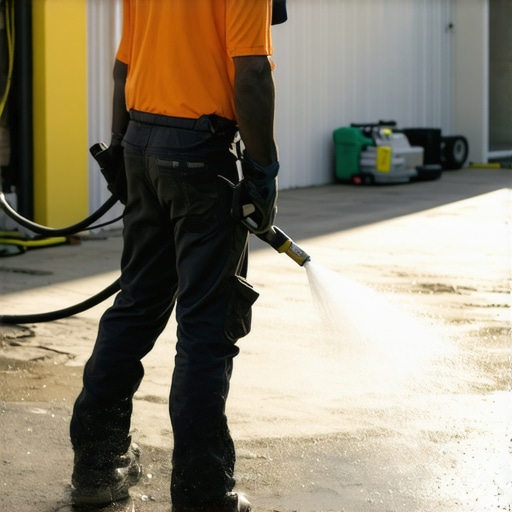
Last summer, I faced a disaster. I had just finished a power washing job on a client’s driveway, excited to showcase my work. But as the sun beat down, I realized I had used the wrong equipment. The surface was still grimy, and the client was less than thrilled. That moment was a lightbulb for me: not all power washing techniques are created equal, and trusting the right equipment can make or break your results.
Why Choosing the Right Powerwash Equipment Matters More Than Ever
In 2024, the demand for reliable, high-quality power washing continues to grow. Whether you’re a professional or a DIY enthusiast, the difference between a spotless finish and a frustrating mess often boils down to your equipment and techniques. Using subpar tools can lead to uneven cleaning, surface damage, or incomplete results — wasting time and money.
According to industry experts, proper equipment can boost cleaning efficiency by up to 50%. That means faster jobs and better outcomes. But with so many options available, how do you know what’s worth investing in?
That’s exactly what I’ll help you unravel today. From selecting the best pressure washers to mastering proven techniques, I’ll guide you through the essentials to ensure your power washing results are trustworthy and impressive every time.
Have you ever faced the disappointment of subpar cleaning despite using what you thought was the right equipment? You’re not alone. Early in my career, I made the mistake of overlooking the importance of specialized nozzles and proper setup. It cost me time, effort, and credibility. But I learned that investing in quality equipment and learning the right techniques is the key to consistent results.
For a comprehensive understanding, check out this essential equipment guide that helped me transform my approach. Now, let’s dive into the core strategies that can elevate your power washing game in 2024.
Understanding the Foundations of Effective Powerwash Equipment
Choose the Right Pressure Washer for Your Needs
Start by selecting a pressure washer that matches the scope of your cleaning task. For light to medium jobs like decks or sidings, a unit with 2000-3000 PSI is sufficient. For heavier surfaces like driveways or industrial surfaces, consider machines with 4000 PSI or more. Think of it like choosing the right paintbrush — you wouldn’t use a fine tip for broad strokes. I once tried to clean a concrete driveway with a low PSI washer, and the results were uneven and took twice as long. Upgrading to a higher PSI machine significantly improved my efficiency and outcome.
Invest in Quality Nozzles and Accessories
Nozzles are your precision tools. A 15-degree nozzle is versatile enough for most tasks, providing a good balance of pressure and coverage. For delicate surfaces, switch to a 40-degree nozzle to prevent damage. During a job last summer, I initially used a 15-degree nozzle on my clients’ siding, which left streaks. Switching to a wider nozzle restored the surface and saved the job. Remember, using the wrong nozzle can be like using a sledgehammer on a jewelry piece — overkill and damage are inevitable.
Master Proper Setup and Pressure Adjustment
Always start with the lowest pressure setting and gradually increase. Attach the wand securely, check for leaks, and test on a small area first. Think of it as tuning a musical instrument — you want the right pitch before playing the full song. I once rushed into a job without adjusting my pressure, which caused etching on a wooden fence. Taking the time to calibrate your equipment prevents surface damage and ensures consistent results.
Use Correct Cleaning Solutions and Techniques
For stubborn grime, use eco-friendly detergents designed for power washing. Apply the solution with a foam cannon or low-pressure nozzle, let it sit for a few minutes, then rinse with high pressure. During a recent project, I applied detergent unevenly, which caused streaks. Using a uniform technique with a foam cannon improved coverage and cleaning quality. Think of it like painting a wall — even application leads to a professional finish.
Keep Your Equipment Well-Maintained
Regularly check hoses, filters, and nozzles. Clean or replace filters to maintain optimal water flow. I once ignored a clogged filter, which reduced pressure and prolonged my work. A quick routine maintenance check before each job saves time and preserves your equipment’s lifespan. It’s like regular oil changes for a car — essential for peak performance.
Practice and Refine Your Technique
Practice on less visible surfaces first. Maintain a consistent distance, usually 18-24 inches from the surface, and use smooth, overlapping passes. During a challenging job, I practiced on a spare piece of siding, which helped me perfect my technique before tackling the main project. This approach prevents streaks and uneven cleaning, giving you trustworthy results every time.
Many power washing enthusiasts and professionals alike fall prey to misconceptions that can hinder their results and even damage surfaces. Let’s dig deeper into what most people get wrong about power washing equipment, uncover some hidden nuances, and share advanced tips to elevate your game.
Myth: More PSI Always Means Better Cleaning
It’s a common belief that higher pressure automatically equates to more effective cleaning. However, this isn’t always true. Excessive PSI can cause surface damage, especially on softer materials like wood or vinyl siding. The key is matching the PSI to the surface and using the correct nozzle. For example, a concrete driveway may need 3000-4000 PSI, but a delicate wooden deck might require only 1000-1500 PSI with a wider spray angle. Understanding the surface nuances and adjusting accordingly prevents costly mistakes.
The
Keeping your power washing equipment in optimal condition is crucial for achieving consistent, professional results and extending the lifespan of your tools. Regular maintenance not only prevents costly repairs but also ensures your equipment performs at peak efficiency, saving you time and money on every job.
Investing in Reliable Tools and Accessories
Personally, I swear by the Karcher K5 Premium pressure washer. Its durable motor and adjustable pressure settings make it versatile for various surfaces, from delicate sidings to tough concrete. Additionally, I recommend the Turbo Nozzle attachment for stubborn grime. Unlike standard nozzles, its rotating jet delivers more consistent coverage, reducing cleaning time and improving results.
Regular Maintenance for Long-term Performance
To keep your equipment running smoothly, follow a routine maintenance schedule. After each use, flush out hoses and nozzles with clean water to prevent buildup. Check and replace filters every 50 hours of operation or monthly, whichever comes first. For example, I recently replaced my pump oil and found it significantly improved pressure stability. This proactive approach minimizes downtime and extends your equipment’s lifespan.
Tools I Recommend for Consistent Results
Beyond the pressure washer itself, I rely on a quality detergent applicator and a foam cannon to ensure even coverage of cleaning solutions. The Gilmour Foamaster has proven effective in my experience, allowing me to control foam application precisely. For surface inspection, I use a high-lumen LED light to highlight missed spots, ensuring no area is overlooked.
How do I maintain my equipment over time?
Consistent inspection and cleaning are vital. After each job, inspect hoses for cracks and leaks, and store equipment in a dry, sheltered space. Periodically lubricate moving parts, such as gun triggers and nozzles, with manufacturer-approved lubricants. For detailed guidance, check out the power washing mastery tips. By adopting these habits, you’ll ensure your tools remain reliable and effective for years to come.
Looking ahead, I predict that smart maintenance tools, such as IoT-enabled sensors to monitor performance in real-time, will become more accessible. Embracing these innovations now can give you a competitive edge and ensure long-term success in your power washing endeavors. Don’t forget to try my top tip: regularly check and replace your filters. It’s a simple step that makes a significant difference in maintaining optimal pressure and cleaning quality.
The Hardest Lesson I Learned About Power Washing Equipment
Early in my career, I underestimated the importance of matching the right nozzle with the surface. Using a standard nozzle on a delicate sidings caused streaks, which taught me that precision tools are essential for trust-worthy results.
3 Myths About Power Washing That Held Me Back
One common misconception was that higher PSI always means better cleaning. I discovered that surface type, nozzle choice, and technique matter more than raw pressure, preventing costly surface damage.
What Experts Won’t Tell You About Maintaining Power Washers
Regular maintenance is often overlooked. I learned that simple steps like flushing hoses and replacing filters extend equipment lifespan and keep results consistent, saving me money and time.
Curated Recommendations for Power Washing Excellence
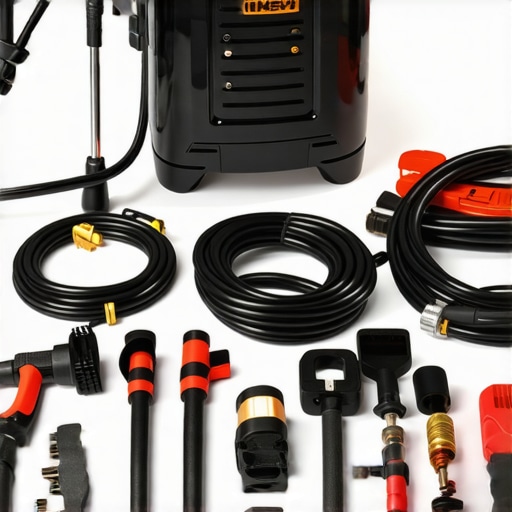
My Essential Toolkit for Power Washing includes the Karcher K5 Premium, which offers durability and versatility. I also rely on the Turbo Nozzle for stubborn grime, and a quality foam cannon to ensure even application of cleaning solutions. These tools have consistently improved my results and efficiency.
Final Inspiration: Your Turn to Make Power Washing Your Superpower
Embracing the right equipment and techniques transforms power washing from a chore into a craft. Don’t hesitate to experiment, learn, and refine your skills — mastery is within your reach. Remember, trust in your tools and your process will lead to professional results every time.
What has been your biggest challenge in selecting or maintaining power washing equipment? Share your experience below!
Reading this post really resonated with me because I had a similar experience early on where I used the wrong nozzle for a delicate siding job, which left streaks and made the client unhappy. Now, I always double-check the surface type and match it with the appropriate nozzle and pressure setting before I start. It’s so easy to underestimate the importance of equipment in achieving professional results. I find that proper setup and maintenance, like regularly swapping out filters and inspecting hoses, really do make a difference in prolonging the lifespan of my tools and preventing unexpected breakdowns. I’m curious, have any of you started using electronic monitors or IoT devices to track equipment performance? I’ve heard that they can help spot issues before they impact the job, which might be a game-changer for consistent quality and efficiency. Every power washing job is a little different, but I think investing in good equipment and understanding its nuances really raises the bar overall.