![7 Pro Powerwashing Tactics for Algae-Prone Pool Decks [2026]](https://pressurewashpross.com/wp-content/uploads/2026/02/7-Pro-Powerwashing-Tactics-for-Algae-Prone-Pool-Decks-2026.jpeg)
It was a scorching summer afternoon when I finally looked down at my pool deck—and nearly snapped my power washer in frustration. Greasy algae had taken over every inch, and no matter how much I sprayed or scrubbed, the stubborn grime refused to budge. That moment was my lightbulb—realizing I was missing key tactics that could make the difference between a clean surface and a wasted afternoon.
Why Power Washing Gets Tough on Algae and How to Beat It
Algae build-up on pool decks isn’t just unsightly—they can be hazardous, creating slippery surfaces that increase the risk of accidents. Regular power washing might seem sufficient, but if you’ve ever ended up with just a skim coat of grime or worse, damaged your concrete, you know it’s not that simple. Early in my journey, I made the classic mistake of using too much pressure and harsh chemicals, which did more harm than good. I learned the hard way that executing a few proven techniques can save you time, money, and stress.
If your pool deck looks more like an algae jungle than a leisure oasis, don’t fret. Today, I’ll share with you seven professional tactics I’ve gathered through trial, error, and plenty of research, including insights from expert sources like pressure wash pros. Implementing these can make your cleaning more effective and safe, especially in algae-prone areas.
Is Power Washing Really Worth the Hassle in 2026?
I used to question whether investing time and effort into mastering power washing techniques was just overkill. Honestly, I underestimated the importance of proper technique until I saw my first clean pool deck after applying these strategies. One common mistake I made early on was relying solely on brute strength, rather than understanding nozzle angles, pressure settings, and cleaning solutions. For more on how to optimize your approach, check out [this guide on effective power washing tips and techniques](https://pressurewashpross.com/power-washer-tips-effective-strategies-for-better-powerwashing-results). It’s a game-changer.
Stay with me—I’ll walk you through each tactic so you can tackle algae like a pro without risking damage or wasting resources. Ready to transform your pool deck into a sparkling sanctuary? Let’s dive in.
Set Up Your Equipment Properly
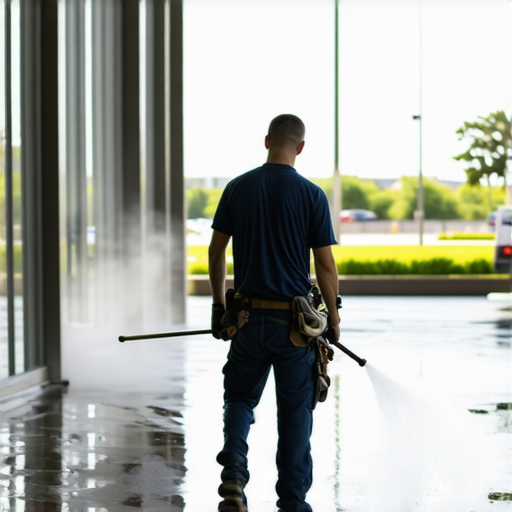
Before diving into cleaning, ensure your power washer is ready for the task. Attach the appropriate nozzle—generally a 25-degree nozzle for decks—and check the water inlet filter is clean to prevent pressure loss. Use a wide-angle nozzle to distribute pressure evenly, reducing the risk of surface damage. Adjust the pressure settings to match your surface, typically around 3000 PSI for concrete. Test on a small, inconspicuous area first to gauge the outcome.
Choose the Right Cleaning Solution
Opt for eco-friendly detergents designed for algae removal. Avoid harsh chemicals like bleach, which can corrode concrete and harm the environment. Mix the cleaning solution according to the manufacturer’s instructions, applying it generously over algae-prone areas. Let it sit for 5–10 minutes to loosen grime. This prep ensures that the pressure washing process is more effective, especially on stubborn green stains.
Master the Power Washing Technique
Holding the wand at a 45-degree angle, start spraying from the highest point of the deck, moving in steady, overlapping strokes towards the surface. Think of your wand as a paintbrush; the goal is even, controlled contact. Keep the spray wand about 12–18 inches from the surface to avoid etching or gouging. Never aim directly at joints or cracks to prevent water infiltration. Use a sweeping motion—like pushing dirt off a table—to clear grime without concentrating pressure on one spot, which could cause pitting.
Use a Fan Pattern for Even Coverage
Also, select a fan pattern nozzle—such as the 25-degree—to distribute water evenly across the surface. This technique is especially useful when working on large, flat areas, preventing streaks or missed spots. Remember, uniformity is key for professional results and long-term surface health. For detailed control, consider a surface cleaner attachment, which keeps a consistent distance and spray pattern. Learn more about effective power washer equipment to optimize your setup.
Avoid Common Mistakes that Damage Surfaces
One of the biggest errors is applying too much pressure or holding the spray wand too close to the surface—this can cause surface etching or gouging. Think of it like shaving: gentle, controlled strokes get the job done without cuts. Always start with lower pressure and increase gradually if needed. Additionally, never spray directly into joints or cracks; water infiltration here can lead to larger issues later. For delicate surfaces like wood or painted surfaces, use a lower pressure setting and a softer spray pattern—review tips on adjusting power washer settings for safe cleaning.
rinse and Final Inspection
After applying the pressure and cleaning solution, pause briefly to allow the algae to loosen further. Then, rinse with a strong, sweeping motion, ensuring all residues are washed away. Pay special attention to edges and corners, as grime tends to accumulate there. Once done, walk around the deck inspecting for missed spots or damage. If necessary, spot-clean stubborn stains with targeted pressure or mild brushing—do not use excessive force. Proper rinsing and careful inspection finish the process, leaving your deck looking pristine and fresh.
Even seasoned DIY enthusiasts often believe that cranking up the pressure on a power washer will do the trick faster and better. However, **more pressure doesn’t always mean better results**; in fact, it can lead to unintended damage. A prevalent misconception is that higher PSI automatically translates to a cleaner surface, but **expert power washers** emphasize that *technique and correct equipment setup* are far more critical. Using an excessively high PSI without understanding the nuances can etch or gouge your concrete, wood, or siding. For instance, improperly adjusted pressure settings frequently cause pitting, which can weaken the surface over time. To avoid this, it’s vital to understand the appropriate pressure for each surface and use the right nozzle—consider exploring [this guide on effective power washing tips](https://pressurewashpross.com/power-washer-tips-effective-strategies-for-better-powerwashing-results). Additionally, many overlook the importance of selecting eco-friendly cleaning solutions; overreliance on harsh chemicals like bleach can damage surfaces and the environment. Contrary to popular belief, combining eco-friendly detergents with proper pressure and technique yields optimal results—learn more about [safe and effective cleaning mixes](https://pressurewashpross.com/stop-using-bleach-3-eco-friendly-power-washing-mixes-for-2026).
Another common trap is neglecting the importance of surface preparation. Many rush straight to spraying, forgetting that applying the correct cleaning solutions beforehand makes the pressure washing significantly more effective. This can save you time and prevent unnecessary passes over the surface. A further mistake is focusing solely on power and neglecting technique, such as the angle of spray and distance from the surface. Holding the wand at the wrong angle or too close can cause surface damage, especially on delicate materials like painted siding or wood—review [these techniques for safe pressure washing](https://pressurewashpross.com/stop-etching-3d-printed-walls-3-powerwash-rules-for-2026).
Finally, a misconception that might be less obvious is that all power washers are the same. In reality, equipment differences—like pump quality and nozzle design—significantly affect results and safety. Using subpar or mismatched tools increases the risk of damage and reduces efficiency. For advanced advice on equipment, see [top gear recommendations](https://pressurewashpross.com/effective-power-wash-equipment-tools-for-lasting-powerwashing-success).
Understanding these nuances and avoiding common pitfalls is key to mastering power washing without regrets. Have you ever fallen into this trap? Let me know in the comments.Maintaining your power washing equipment is crucial to ensure consistent performance and avoid costly repairs down the line. Personally, I rely on a few specific tools and routines that have proven their worth over years of professional and DIY use. First, investing in a high-quality pump protector, like the PowerWash Pro Pump Saver, has been a game-changer in extending my pump’s lifespan. It prevents cavitation and helps maintain optimal PSI, which is vital for effective cleaning without damaging surfaces. I also regularly inspect and replace nozzle tips using a professional-grade nozzle kit, ensuring consistent spray patterns and avoiding uneven wear that can lead to inefficiency or surface damage.
Another critical aspect is routine maintenance—like flushing out the system after each use and checking hoses for cracks or leaks. I swear by a maintenance tool such as the Pressure Washer Diagnostic and Service Kit, which allows me to identify small issues before they escalate into major repairs. For deep cleaning, I use a visual inspection mirror combined with a flashlight to check inside inaccessible parts, following expert advice from pressure washing pros who emphasize proactive care.
Predicting where this trend is headed, I believe smart, connected power washers will become the norm by 2026. These units will self-diagnose issues, send alerts to your device, and even suggest maintenance steps, saving time and money.
**How do I maintain my power washer over time?** The key is consistency. Incorporate a simple routine: after each job, flush the system with clean water, apply a pump protector, and inspect all hoses and connections. Additionally, I schedule bi-annual checkups of critical components, like the pump and motor, inspired by the comprehensive checklist provided in this maintenance guide. Using a durable corrosion inhibitor can also prevent rust, especially if you store your equipment outdoors.
I highly recommend trying the technique of regularly inspecting and replacing nozzle tips with a professional tool kit designed for power washers. This small investment can significantly boost your equipment’s durability and cleaning effectiveness. Remember, proper maintenance is the secret to long-term success with power washing—skimping on it might save money now but will cost more in repairs later. Take action today: allocate 10 minutes to inspect your setup thoroughly and apply a pump protector; your future self will thank you! 
Lessons That Changed How I Power Wash Forever
One of the biggest revelations was realizing that patience beats brute force every time. Early on, I believed blasting away at grime with maximum pressure sped things up, but I quickly learned that gentle, deliberate strokes prevent surface damage and yield cleaner results. Another insight was mastering nozzle angles—the slightest adjustment can make stubborn algae vanish without harming your deck. Lastly, I discovered that prep work—applying eco-friendly solutions first—makes the pressure washing process more efficient and eco-conscious, saving both time and environment.
Tools and resources I swear by to keep my power washer in top shape
My go-to is the equipment and tools guide—it’s packed with trusted gear that maximizes results and durability. Regularly, I use a pump protector to extend my pump’s lifespan, and a high-quality tool kit for nozzle and hose maintenance ensures consistent performance. These resources have saved me countless times from expensive repairs and headaches. For comprehensive maintenance routines, I refer to the deck repair tutorials; they’re perfect for preventing damage in the first place.
Keep pushing forward—power washing is more than just cleaning
Embarking on your power washing journey might seem daunting at first, but every streak of grime is an opportunity to learn and improve. Remember, mastery doesn’t come overnight; it’s about applying techniques, respecting your equipment, and always prioritizing surfaces’ safety. By focusing on proper setup and technique, you’ll find that even the most stubborn algae can be tamed without causing harm. Every deck you restore reinforces your confidence and skill — so don’t hesitate to get started today. You’ve got the tools, now it’s about taking that first confident step to transform your space. What’s been your biggest power washing challenge so far? Let me know below.