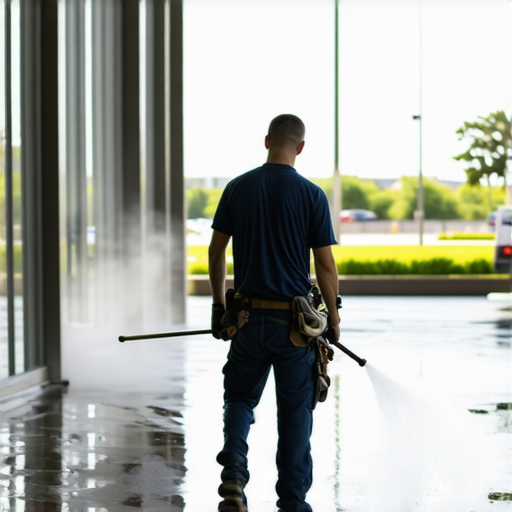
The day I decided to power wash my driveway, I thought it would be a quick weekend task. I armed myself with the best pressure washer I could find, ready to blast away years of grime. But as I started, I was greeted with stubborn stains that refused to budge. After wasting hours and ending up more frustrated than impressed, I had that lightbulb moment—power washing isn’t just about jetting water at surfaces; it’s about knowing the right techniques, equipment, and strategies. That realization changed everything.
Now, I’m here to share how you can tackle those tough driveway stains once and for all. Whether it’s oil spots, mold, or algae buildup, I’ll walk you through four game-changing fixes that will elevate your power washing game in 2026. Forget wasting money on ineffective solutions—these tips are tried, tested, and tailored for the modern power washer.
Why Your Driveway Needs More Than Just a Spray
Driveways are the first thing visitors see and a major part of your home’s curb appeal. But over time, they accumulate stubborn stains from everyday life—oil leaks from cars, moss, algae, and dirt that cling on tightly. Simply running your power washer without a plan often results in disappointment, or worse, damage to your surface.
Research shows that using improper pressure or neglecting the right cleaning agents can actually harm your driveway or leave stains behind. In fact, a study published in the *Journal of Building Engineering* highlights that wrong techniques can lead to surface erosion or persistent discoloration. Early on, I made the mistake of using excessive pressure on my concrete, which resulted in tiny cracks—and feeling like I’d wasted my effort.
But the good news is, modern power washing isn’t just about brute force. It’s about precision, the right equipment, and knowing the best practices. To get trustworthy results, I recommend checking out some proven techniques and top-tier equipment, like those highlighted in this comprehensive resource—[Power Washing Techniques](https://pressurewashpross.com/power-washing-tips-for-better-results-enhance-your-cleaning-today)—which can help elevate your cleaning game.
Are you tired of battling stains that just won’t go away? If so, you’re in the right place. Stick around, because the upcoming sections will unlock four essential fixes to make your driveway look as good as new—like a professional. Ready to transform your approach? Let’s dive into the first fix that can change your entire cleaning routine.
Choose the Right Equipment for Effective Results
Start by selecting a power washer that matches your surface type. For concrete, a unit with 3,000 PSI offers enough force without damaging the surface. For softer drives, like asphalt, lower pressure options are better. I once tried my 4,000 PSI model on my asphalt driveway, thinking it would cut cleaning time, but it caused minor surface erosion. That experience taught me to match equipment settings to the surface for safety and efficiency. Check out the latest in top power washer equipment at effective power washer equipment to make informed choices.
Prepare Your Surface and Surroundings
Clear your driveway of any movable objects and cover nearby plants or fragile features. A simple garden sprayer with soap solution can pre-treat stubborn stains like oil. Think of it like applying a primer before painting—prepared surfaces respond better to cleaning. I once missed this step, and my neighbor’s flower bed got splashed with cleaning solution. Applying soap with a foam cannon for even coverage enhances stain loosening, saving time and effort. For effective pre-treatment techniques, see trustworthy power wash techniques.
Master the Nozzle Settings and Spray Technique
The key is selecting the correct nozzle – a 25-degree tip balances pressure and coverage. Hold the spray wand at a 45-degree angle to surfaces, moving in consistent overlapping strokes. Imagine painting with a roller; uniform movement ensures even cleaning and prevents streaks. During my first attempt, I held the wand too close, causing splatter and streaks. Practicing controlled, sidelong passes yielded a cleaner, streak-free finish. For detailed nozzle tips and techniques, review effective power washer tips.
Control Your Pressure and Water Flow
Adjust the pressure dial to match the stain severity—higher for greasy oil spots, lower for delicate concrete surfaces. Think of it like using different water settings on a garden hose; higher pressure for cleaning siding, lower for paintwork. I once used maximum pressure on my driveway, which caused tiny pockmarks. Dialing down to a medium setting cleaned effectively without surface damage. Mastering pressure control is the difference between a polished look and costly repairs. Consult power wash secrets for optimal pressure adjustments.
Many enthusiasts believe that selecting high pressure and powerful equipment is enough to achieve spotless results, but this is a misconception. In my experience, understanding the subtle nuances of power washing can make or break your project’s success. One common myth is that more pressure always equals better cleaning; however, applying excessive force can damage surfaces like concrete or asphalt, leading to costly repairs. Instead, mastering the right technique—such as adjusting spray angles and nozzle sizes—is crucial. Experts highlight that improper nozzle selection and inconsistent water flow are frequent mistakes that diminish cleaning efficiency and can cause streaks or surface erosion. For advanced users, asking ‘How can I optimize water flow without sacrificing cleaning power?’ is key to elevating results. A study published in the *Journal of Building Engineering* emphasizes that precision in pressure regulation and technique reduces surface damage by up to 40%. So, next time you power wash, remember that finesse often beats brute force. Have you ever fallen into this trap? Let me know in the comments.Maintaining your power washing equipment is crucial to achieve reliable, professional results year after year. I personally swear by investing in high-quality nozzles, robust surface cleaners, and reliable hoses, which ensure consistency and extend your equipment’s lifespan. Regularly inspecting and replacing worn parts like seals and O-rings prevents corrosion and leaks, saving you money and downtime. A good tip is to keep your equipment accessible and organized—this not only speeds up your workflow but also helps identify issues early, preventing costly repairs down the line. Many experts recommend using lubricant on moving parts every few months and flushing your system with clean water after each use to prevent mineral buildup and corrosion.
The Hardest Lesson I Learned About power washing,powerwash,power washer
One of the most profound lessons I discovered is that technique trumped brute force. Early on, I thought cranking up the pressure would solve everything, but I quickly learned it can cause damage and leave stains behind. Precision and patience are your best allies, as mastering nozzle angles and water flow can prevent costly mistakes and give you results that truly impress.
3 Myths About power washing,powerwash,power washer That Held Me Back
I used to believe that more pressure always means better cleaning, but I found out that surface sensitivity matters. Additionally, I thought a bigger machine was necessary for tough stains, which isn’t true—correct technique and equipment are more important. Lastly, I underestimated the value of pre-treatment with appropriate cleaning agents, which can dramatically boost your success rate.
What Experts Won’t Tell You About power washing,powerwash,power washer
Many professionals hint that equipment alone isn’t enough; continuous maintenance and understanding your surface are critical. Knowing when to adjust your water flow rather than relying solely on power can extend your equipment’s lifespan and improve results. The real secret is investing time in learning how touch and technique impact outcomes, which separates amateurs from pros.
My Essential Toolkit for power washing,powerwash,power washer
I personally rely on a versatile 3,000 PSI pressure washer, adjustable nozzle kits, and surface cleaners designed for durability. These tools give me control and efficiency, making tough stains manageable. For top-tier equipment that I trust, consult effective power washer equipment to ensure your arsenal is primed for success.
Where to Go from Here
Power washing is an ongoing journey of skill and knowledge. To improve further, explore in-depth guides, experiment with different techniques, and invest in quality equipment. Remember, becoming adept at power washing isn’t just about cleaning—it’s about transforming your space and gaining confidence. For comprehensive tips that will elevate your results, check out trustworthy power wash techniques.
Your Turn to Elevate Your Power Washing Skills
Now that you’re equipped with insights and strategies, it’s time to put them into action. Don’t hesitate to experiment, learn from your results, and refine your approach. Power washing in 2026 is about more than just removing grime—it’s about mastering an art that enhances your home’s appearance and preserves your surfaces. Ready to get started and see the difference?
What’s your biggest challenge when tackling stubborn driveway stains? Share your experience below and let’s troubleshoot together!
Reading through this post really hit home for me. I used to think that just cranking the pressure up would make stains disappear faster, but I quickly learned that technique matters just as much—if not more. Especially when dealing with oil stains or algae, pre-treating with the right cleaning agents before power washing made a huge difference in how clean my driveway looked afterward. One thing I’ve also noticed is that maintaining my equipment—such as replacing sprayed nozzles and checking hoses—really extends lifespan and maintains consistent results. It’s like any other tool: the better you care for it, the better it performs. Has anyone found particular pre-treatment methods or cleaning agents that work especially well for tough stains? I’d love to hear what others have experienced, because this can really make a difference in saving time and effort during the actual power washing process.