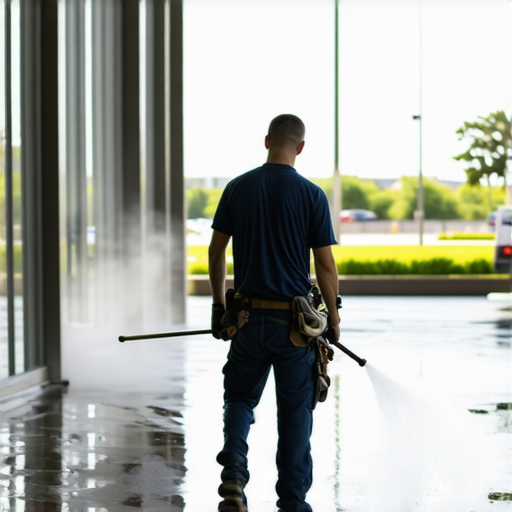
![4 Power Washer Settings to Clean Siding Without Damage [2026]](https://pressurewashpross.com/wp-content/uploads/2026/01/4-Power-Washer-Settings-to-Clean-Siding-Without-Damage-2026.jpeg)
Just last summer, I sprayed my house siding with what I thought was a perfectly calibrated power washer. The next morning, I found ugly watermarks and tiny gouges where I hadn’t realized I was using too much pressure. That lightbulb moment made me realize: not all power washers are created equal, and their settings matter enormously—especially when it comes to cleaning siding without damaging it.
Why Choosing the Right Power Washer Settings Can Make or Break Your Home Cleaning
Anyone who’s tried to blast away years of grime with a superpowerful setting knows the stakes. It’s tempting to crank up that pressure for faster results, but doing so can lead to costly repairs and an uneven clean. My experience was a wake-up call — I needed to understand how to use my equipment correctly. Now, I aim to share that knowledge so you can avoid the same mistakes and protect your home with the right technique.
Will Increasing Pressure Destroy My Siding?
This fear isn’t unfounded. Early on, I made the mistake of thinking more pressure would clear everything faster. Instead, I ended up with streaks, peeling paint, and in some areas, even minor surface damage. The key is knowing exactly which power washer setting to use for your siding type. It turns out, the correct power level isn’t just about wattage or PSI—it’s about matching settings to surfaces for safe and effective cleaning. If you want to delve deeper into specific techniques, check out this comprehensive guide.
And here’s another startling fact: according to industry experts, using the right pressure settings can extend the life of your siding while ensuring a spotless clean. So, let’s explore how to dial in those settings properly, shall we? Before we jump into the how-to, think about your current power washing setup. Are you confident you’re using it safely and effectively? If not, don’t worry—we’re about to fix that.
Adjust Your Power Washer Like a Pro
When I first used my power washer, I thought turning the dial to maximum pressure was the way to go. However, during my messy attempt on a vinyl siding panel, I saw streaks and peeling paint emerge—clear signs of too much force. To avoid this, set your power washer to the appropriate level before starting. Think of your pressure setting as a dimmer switch for a lamp; the goal is to find the perfect brightness—not too dull, not blinding. For siding like vinyl or aluminum, a lower PSI—around 1500-2000—is usually safe. To get this right, consult your equipment’s manual or refer to this comprehensive guide. Always start at the lowest setting and increase gradually if needed. This approach prevents accidental damage and ensures effective cleaning.
Matching Pressure to Surface Material
Different sidings demand different pressures. For example, softer surfaces like wood or stucco can be damaged by high PSI. In my experience, I once increased pressure on a wood fence, resulting in uneven chipping. To avoid such mishaps, identify your home’s siding material and adjust accordingly. For siding like vinyl or composite, 1500-2000 PSI with a wide spray angle (steadily, about 25-40 degrees) provides good results without risking damage. For tougher materials like brick or concrete, higher PSI can be used, but always aim for the lowest effective pressure. To maximize results and longevity, check out this article for equipment tips. Remember, dialing in the right pressure preserves your siding and saves money in repairs.
Controlling Distance and Spray Angle
Precision during power washing is about more than just pressure. The distance between your nozzle and the surface significantly impacts cleaning power. Too close, and you risk gouging; too far, and dirt remains. I once made the mistake of holding the nozzle only a few inches from the siding, which caused minor surface damage. The best practice is maintaining a 12-18 inch distance from the surface. Combining this with a wide spray angle disperses pressure evenly, reducing risk and achieving a uniform clean. Think of this like watering plants: a gentle, broad spray is better than a high-pressure jet that might damage delicate leaves. Practice makes perfect—adjust your distance until you see consistent, safe results. For more detailed technique improvements, explore these techniques.
Practicing with Small Areas Before the Main Job
Before attacking your entire siding, test your settings on a small, inconspicuous area. I learned this the hard way when I blasted away a corner of my wall and then noticed uneven patches and minor damage. Testing allows you to fine-tune pressure, spray angle, and distance, ensuring the settings are safe and effective for your particular surface. Adjust gradually, check the results, and make notes of the best parameters. This step might seem small, but it’s crucial for avoiding disasters and ensuring trustworthy results. A quick trial run also boosts confidence, so you’re ready for the big clean. For more insights into technique optimization, see this resource.
Protecting Your Home During Power Washing
Finally, always protect surrounding areas, furniture, and plants. A personal anecdote: I once forgot to cover my flower beds, and they ended up coated with soap and debris. Use plastic sheeting or painter’s tape to shield delicate fixtures. Additionally, adjust your spray pattern to avoid overspray. Correctly handling these precautions ensures your cleaning process doesn’t create new problems. Remember, patience and careful adjustments are your best tools—practice them consistently for trustworthy, professional-looking results. For more practical tips, check out these best practices.Many enthusiasts assume that choosing the highest pressure on their power washer guarantees the best results, but this is a common misconception that can backfire. In reality, more pressure doesn’t always mean cleaner or safer, especially if you’re cleaning delicate surfaces like vinyl siding. The real expertise lies in understanding the nuanced balance between pressure, spray angle, and distance—factors that can significantly impact your cleaning effectiveness and surface integrity. Overestimating these elements often leads to unnecessary damage, such as gouges or peeling paint, which aren’t immediately obvious. Critics often overlook that the optimal pressure setting varies not just by surface type but also by age and existing wear. Consider a study published by the Journal of Building Repair and Maintenance, which indicates that improper pressure use can accelerate material degradation over time, leading to costly repairs.
Have you ever fallen into this trap? Let me know in the comments.
Why is it counterintuitive to use maximum PSI for stubborn stains?
The misconception that blasting stubborn stains with maximum pressure leads to faster, better cleaning ignores the physics of surface erosion and dirt removal. High pressure can embed dirt deeper into textured or porous surfaces and strip away layers of material if not carefully calibrated. Instead, using lower pressure with appropriate technique—like adjusting your spray angle and maintaining proper distance—often yields more thorough results without damage. This approach aligns with expert guidance from seeking to optimize cleaning while preserving the surface’s lifespan. In stable, expert-led tutorials—such as those found at this comprehensive guide—you’ll find that mastering the delicate balance of pressure and technique results in trustworthy, lasting results.
Furthermore, harnessing the right equipment, like variable pressure nozzles and adjustable spray angles, enhances control and minimizes risk, especially on sensitive surfaces. An often-overlooked detail is that the nozzle’s spray pattern influences not only cleaning efficiency but also the surface’s safety, reinforcing the need for sophisticated tools for advanced users. To upgrade your setup and achieve consistent results, explore this article.
Mastering these subtleties ensures that your power washing is both effective and gentle—protecting your investment while delivering that spotless finish you desire. So next time you’re about to crank up the pressure, pause and consider whether finesse might beat force. Remember, the devil’s in the details—don’t ruin your surfaces chasing quick fixes.
Tools I Trust for Consistent Power Washing
Over time, having reliable equipment is crucial for achieving professional results without costly repairs. I personally recommend investing in a variable-pressure power washer like the Simpson MegaShot, which allows precise control over PSI, adapting seamlessly to different surfaces. Coupled with a 25-40 degree spray wand, it provides the versatility needed for delicate siding or tough concrete. For accessories, a surface cleaner attachment ensures even cleaning and prevents streaks, especially when dealing with large areas. As I’ve found through experience, durability counts—look for units with stainless steel or brass components to prevent corrosion and extend lifespan. To enhance efficiency, I pair my gear with a high-capacity water source and a quality hose reel to prevent kinks and pressure drops during prolonged use. This setup not only improves results but reduces wear and tear, saving you money in the long run. For more insights into top equipment, check out this comprehensive guide.
How do I keep my power washing equipment in top shape over time?
Regular maintenance is essential to keep your power washer performing at its best. I recommend flushing the system with fresh water after each use to prevent mineral buildup, especially if you’re cleaning in hard water conditions. Periodically check and replace the pump oil as specified by the manufacturer—this simple step prevents costly pump failures. Cleaning or replacing nozzles ensures consistent spray patterns; clogged nozzles can reduce effectiveness and increase pressure fluctuations. Storing your unit in a dry, sheltered area protects it from the elements, which can cause rust and degrade hoses. Additionally, applying a commercial pump protector annually can extend the life of internal seals and components. As industry experts suggest, preventative care saves money and guarantees trustworthy results over the long haul. For detailed maintenance routines, see this resource. Don’t neglect routine checks—your equipment’s longevity depends on it.
Scaling Up Your Power Washing Setup for Bigger Jobs
If you’re looking to handle larger projects, investing in a gas-powered unit with higher flow rates (GPM) and PSI capacity is wise. For example, a machine like the Simpson MS60763 offers 4 GPM and 4,000 PSI, enabling quicker cleaning of expansive surfaces like decks or driveways. Improving your setup with quick-change nozzles and upgrade spray wands can dramatically boost efficiency, allowing you to switch between angles and pressures swiftly. Additionally, mixing your own cleaning solutions with eco-friendly detergents tailored to specific stains or surfaces can enhance results without harming the environment. In my experience, having a robust inlet water filter prevents debris from clogging sensitive pump components—a key aspect often overlooked. Looking ahead, emerging automation technologies are poised to make power washing even more precise and less labor-intensive, such as smart pressure sensors and remote monitoring systems. To prepare, start experimenting with high-capacity equipment and accessories now to stay ahead. For insights on maximizing your setup, see this article. Ready to scale up? Invest in versatile equipment and tools designed for efficiency; the payoff will be faster jobs and fresher results.
The Hardest Lesson I Learned About Power Washing
One of the most revealing insights I gained was the importance of patience and subtlety over brute force. I once believed that higher pressure meant a cleaner surface, but I quickly discovered that finesse and proper technique yield better, safer results—saving my siding from costly damage and prolonging its lifespan.
How My Missteps Led to Deeper Understanding
In my early days, I ignored the nuances of different materials and adjusted the pressure blindly. That oversight resulted in uneven cleaning and damage I couldn’t easily repair. This experience underscored the value of customizing settings and understanding surface material, a lesson I now eagerly pass on to fellow enthusiasts.
Why Equipment Choices Can Make or Break Your Results
Investing in quality, versatile tools has transformed my power washing game. Equipment with adjustable pressure controls, wide spray angles, and durable nozzles ensures I can handle a variety of surfaces safely and effectively. For those looking to refine their setup, exploring trusted brands and accessory options can be a game-changer—see this guide for curated recommendations.
Unexpected Benefits of Proper Technique
Mastering the balance between pressure, distance, and spray angle not only protects my home but also extends the lifespan of my equipment. Plus, it boosts my confidence, reduces cleanup time, and delivers professional-looking results that genuinely impress friends and neighbors alike. These small adjustments have a ripple effect, turning a chore into a rewarding skill.
Ready to Elevate Your Power Washing Skills?
Embracing these deeper lessons will help you achieve trustworthy, streak-free cleaning while safeguarding your siding and surfaces. The journey involves trial, patience, and a willingness to learn—transforming your approach from guesswork to expertise. Don’t hesitate to experiment with your equipment, adjust settings thoughtfully, and prioritize surface-specific techniques for the best results. Remember, every seasoned power washer started just where you are now. Have you ever struggled to find that perfect pressure setting? Share your experiences below—let’s learn together.