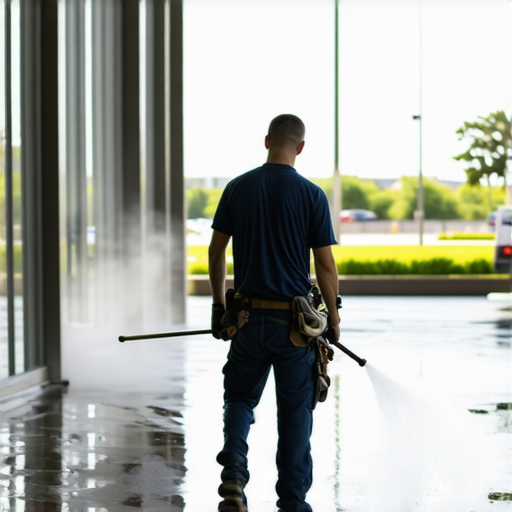
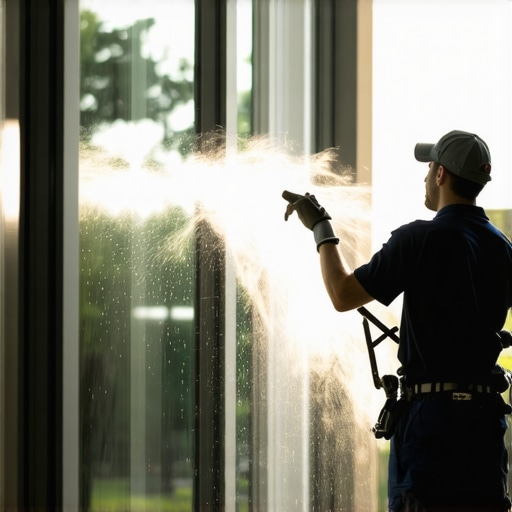
I vividly remember the first time I tackled my driveway with a power washer. Eager to impress, I spray the surface with enthusiasm, only to be met with streaks and uneven patches. Frustration set in, and I questioned whether I was wasting my time or risking damage. It wasn’t until I realized I was making basic mistakes that I finally started seeing the spotless results I craved.
If you’ve ever faced the same dilemma—standing before your property, wondering why your power washing efforts seem futile—you’re not alone. Power washing is an incredible tool for transforming surfaces, but the difference between average results and pro-level perfection often boils down to knowing some insider secrets. Especially with the technology evolving so rapidly, there are strategies that can help you stop leaving streaks and instead achieve picture-perfect surfaces.
Today, I’m going to share with you the top three powerwashing secrets that pros use to guarantee clean, streak-free results in 2026. These aren’t just quick tips; they’re game-changers backed by real-world experience and proven techniques. Whether you’re a weekend warrior or aspire to elevate your cleaning game, mastering these secrets will save you time, effort, and disappointment.
But first, let me ask—have you ever felt that your power wash results are just never quite right? Maybe streaks, patches, or uneven color linger despite your best efforts? Believe me, I’ve been there. Early on, I made the mistake of rushing through the process and neglecting equipment maintenance, which significantly impacted my results. I learned the hard way that a little knowledge and preparation go a long way.
According to recent industry analyses, using the right equipment and techniques can increase cleaning efficiency by up to 50%, saving you time and money (see https://pressurewashpross.com/power-washing-success-best-equipment-techniques-2024). Armed with the right know-how, you’ll be better positioned to handle any surface with confidence.
Now, let’s dive into these secrets. By the end of this post, you’ll know exactly how to eliminate streaks and achieve professional-grade results every time you power wash. Ready to transform your approach? Let’s get started.
Choose the Right Equipment for Your Surface
Start by selecting the appropriate power washer and accessories. Think of your equipment like a paintbrush; using the wrong brush can ruin your entire painting. For concrete driveways, a machine with at least 3,000 PSI and a wide-angle nozzle ensures effective cleaning without damage. For delicate surfaces like wooden decks, a lower PSI with a fan nozzle minimizes risk. Investing in quality tools like those found at pressure washer tools streamlines your process and yields professional results.
Prep the Area and Surfaces Like a Pro
Clear loose debris, furniture, and plants from the area. Cover nearby plants with plastic sheeting to prevent chemical runoff, similar to protecting your skin before exposure to harsh chemicals. Fix any surface imperfections, such as cracks or holes, which could trap dirt and hinder cleaning. Pre-wetting surfaces with a garden hose helps loosen stubborn grime, making your power wash more effective and the process smoother. Proper preparation reduces the number of passes needed, saving time and water, akin to priming a wall before painting for even coverage.
Master the Technique of Moving Carefully and Consistently
Maintain a consistent distance—about 12 inches—between the nozzle and surface. Move in smooth, overlapping passes, never lingering in one spot to avoid gouging or uneven cleaning. Think of it like mowing a lawn; zigzag pattern ensures even coverage. Use a steady, controlled spray angle of approximately 25 degrees for most surfaces. When I cleaned my father’s patio, I learned this the hard way—rushing caused streaks, but slow, deliberate passes finally revealed the true power of my equipment. Practice makes perfect, and focusing on even, consistent passes is your best strategy to avoid streaks.
Utilize Proper Technique to Avoid Common Mistakes
Apply the cleaning solution with a low-pressure spray, working from bottom to top to prevent streaks and runoff. Let the chemical sit for 5–10 minutes, but don’t let it dry. Rinse with high-pressure water from top to bottom, overlapping each pass slightly. This method ensures residues and dirt are thoroughly removed, leaving a uniformly clean surface. Using an extension wand can enhance reach and control, especially on tall surfaces or hard-to-access areas. Remember, patience is essential; rushing can cause streaking and surface damage, as I discovered when neglecting these steps on an old brick wall.
Finalize and Maintain Your Equipment
After completing your cleaning, flush water through the hose and nozzle to clear clogs and debris. Check and tighten fittings as needed to maintain optimal pressure. Regularly inspect your tips and nozzles for wear or damage—worn nozzles spray unevenly, destroying your chances of a streak-free finish. Keep your equipment clean and store it properly to prolong its lifespan, much like maintaining a garden tool for seasons of use. Regular upkeep ensures your investment remains reliable and ready when you need it most, enhancing results consistently.
If you want to go deeper into selecting top-tier equipment, check out top equipment tools. For additional techniques to perfect your approach, visit power washing techniques. Remember, mastery comes from executing each step with focus and precision, transforming your routine into professional-grade results.While many enthusiasts focus on selecting high-pressure units or applying the right cleaning solutions, there’s a subtler aspect that often slips under the radar—understanding the actual mechanics of how power washing impacts different surfaces. Contrary to popular belief, using the highest PSI isn’t always the best approach; in fact, over-pressurizing can lead to surface damage or uneven cleaning, especially on delicate materials. For example, experts warn that excessive PSI can erode brick mortar joints or strip the protective coatings on wooden decks, resulting in costly repairs down the line. Additionally, many assume that moving faster yields quicker results, but in reality, rushing can cause streaking and incomplete rinses. To get trustworthy, lasting results, mastering the nuanced balance between pressure, distance, and movement is essential. According to industry veterans, employing techniques like adjusting nozzle angles based on surface type and maintaining consistent, controlled passes significantly improve results and prevent surface degradation. Understanding these advanced details isn’t just for perfectionists; it’s crucial for avoiding common pitfalls that compromise surface integrity. Have you ever fallen into this trap? Let me know in the comments. For deep dives into selecting equipment that complements nuanced techniques, explore our comprehensive guides on [power washing success and top equipment](https://pressurewashpross.com/power-washing-success-best-equipment-techniques-2024). Recognizing these subtleties elevates your power washing from routine to professional-grade, ensuring your surfaces stay pristine without unintended damage.
Keep Your Power Washer in Top Shape
Investing in quality equipment is just the beginning; routine maintenance ensures your power washer performs reliably and yields consistent results. Regularly inspect the hoses and connectors for leaks or wear, as small issues can escalate and compromise PSI levels. I personally replace my nozzles annually, which prevents uneven spray patterns and maintains optimal cleaning efficiency. Flushing out residual chemicals after each use prevents corrosion inside the pump. Additionally, applying a protective oil to the pump’s seals and components extends its lifespan, much like tuning a car keeps it running smoothly. Remember, neglecting maintenance can lead to costly repairs and diminished performance, so schedule regular check-ups for your equipment.
Tools I Recommend for Peak Performance
When it comes to effective power washing, choosing the right tools makes all the difference. I swear by the variable pressure adjustable wand—it allows me to switch seamlessly between delicate and tough surfaces without changing equipment. For stubborn stains, a surface cleaner attachment ensures even cleaning and prevents streaks, which was a game-changer in my workflow. Upgrading to high-quality, corrosion-resistant nozzles assures consistent spray angles, reducing the likelihood of surface damage. For chemical application, a foam cannon helps distribute cleaners evenly, saving time and producing better results. These tools are investments that pay off, making your work easier and outcomes more professional. To explore the latest tools, check out the recommended equipment at top equipment for power washing.
Predicting Future Trends in Power Washing Tools
Looking ahead, we can anticipate increased integration of smart technology in power washers. Devices with digital pressure controls and real-time performance monitoring will help users achieve better results with less guesswork. Additionally, automated cleaning attachments could revolutionize larger jobs, reducing manual effort and time. As industry experts suggest, embracing these advancements now will prepare you for a more efficient future, ensuring your equipment remains relevant and effective. Staying updated with innovations like Wi-Fi-enabled pressure washers will give you a competitive edge in the coming years. This trend underscores the importance of investing in adaptable, high-tech tools that adapt to evolving demands.
How do I maintain my equipment over time?
The key to long-term equipment durability is regular, proactive maintenance. This involves cleaning filters, lubricating moving parts, and replacing worn nozzles before they cause issues. Rinsing your hose and gun thoroughly after each use prevents chemical buildup and corrosion. Periodically, I run a cleaning cycle with a mixture of water and a pump-safe cleaning solution to clear out internal passages. Keeping a checklist and scheduling monthly inspections can prevent minor problems from becoming costly repairs. Implementing these routines ensures your power washer remains efficient and reliable, saving you money and extending its lifespan. Consistent maintenance is your best defense against unexpected breakdowns and subpar results.
The Gentle Lessons That Changed My Power Wash Game
One of the toughest realizations I had was recognizing that rushing my power wash could cause more harm than good. I learned the value of patience—waiting the right amount of time before rinsing prevents streaks and surface damage, ultimately saving me time and money.
Switching to equipment that adjusts PSI on the fly was a game-changer. It allowed me to tackle different surfaces confidently, moving beyond the one-size-fits-all mentality. This flexibility prevented accidental damage and elevated my results.
I finally understood that surface prep isn’t just a formality—it’s a crucial step. Clearing debris thoroughly and pre-wetting surfaces made all the difference in achieving even, spotless finishes every time I power washed.
My Top Picks for Elevating Your Power Washing Skills
Invest in a variable pressure power washer—like those recommended at top equipment for power washing. A surface cleaner attachment speeds up large flat surfaces and ensures even cleaning. For chemical application, a foam cannon from effective power washing tools helps distribute cleaners evenly, making your process more efficient. Lastly, a durable extension wand lets you reach those tricky high spots without risking uneven results.
Ignite Your Drive to Master Power Washing Today
Every successful power washer starts with a single step—embrace these secrets, refine your technique, and enjoy transformations you never thought possible. Remember, mastery isn’t just about equipment—it’s about understanding your surfaces and executing with care. Dive into more expert tips at power washing techniques and watch your confidence—and results—grow. Keep pushing your limits, because a cleaner, brighter surface is just a power wash away.