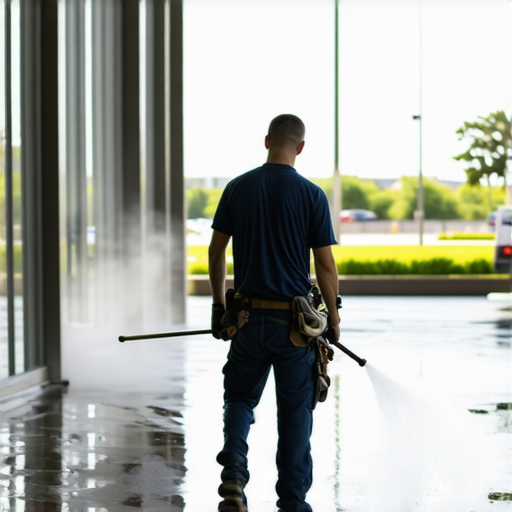
It was a sunny Saturday afternoon when I finally decided to tackle my stubborn driveway grime. Armed with my trusty power washer, I expected quick results. But within minutes, I was overwhelmed—water pressure was either too weak to make a dent or so intense it threatened to strip the paint. Frustration set in. That’s when I realized I was missing a crucial piece: the right equipment.
Power washing isn’t as simple as spraying water; it’s an art that depends heavily on selecting the correct tools. I had underestimated the importance of top-notch equipment, and my results suffered for it.
Why Choosing the Right Equipment Changes Everything
Investing in quality tools transforms your cleaning game. I learned this firsthand when I upgraded my jet nozzles and got better surface brushes. Suddenly, my results improved dramatically. This isn’t just my story—professional power washers swear by the equipment they trust, and for good reason. Proper gear boosts efficiency, extends the lifespan of your power washer, and most importantly, delivers that satisfying, spotless finish every time.
If you’re tired of inconsistent results or overwhelmed by all the options, don’t worry. Today, I’ll help you cut through the noise and find the best equipment for your specific needs. Trust me—getting the right tools is a game-changer. Curious if your current setup is holding you back? Keep reading.
Does Equipment Really Make That Big of a Difference?
Early in my journey, I made a rookie mistake: trying to clean a stubborn fence with a low-pressure spray. The dirt remained, and I blamed my lack of effort. But the truth was, my equipment was not suited for the task. I later discovered that using specialized spray tips and surface cleaners could’ve made all the difference. A study by the
Pressure Wash Pros emphasizes choosing the right accessories to maximize cleaning results.
Armed with this knowledge, I realized that the key isn’t just about having a powerful machine but knowing how to wield it effectively with the proper tools. Whether you’re a beginner or a seasoned pro, selecting top-quality equipment tailored for your projects can elevate your results and save you time—and water.
Select the Right Nozzle for Precision Cleaning
Start by choosing a nozzle that matches your cleaning task. For delicate surfaces like siding or painted wood, opt for a 25° or 40° spray tip, which disperses water pressure evenly and prevents damage. I once attempted to clean my car using a narrow 0° tip, which ended up stripping the paint—I learned the hard way that selecting the proper nozzle is crucial for safe, effective cleaning.
Match the Nozzle to the Surface
Think of the nozzle as a paintbrush: a broad stroke covers more area gently, while a fine, focused tip delivers targeted force. For stubborn grime on concrete, a 15° or 25° nozzle provides enough pressure without causing damage. When I tackled my driveway, switching to a 15° nozzle dramatically improved removal of built-up dirt, saving me hours of scrubbing.
Use Surface Cleaners for Large Areas
Attach a surface cleaner for decks, patios, or driveways. It acts like a giant scrub brush, spinning rapidly and providing uniform pressure. I found this tool invaluable for my patio—after a few passes, the area looked brand new. The key is to keep the cleaner level and move steadily to avoid streaks. Proper technique ensures your entire surface is cleaned evenly, avoiding the patchy results I once achieved by hand.
Adjust Pressure for Delicate or Solid Surfaces
High pressure isn’t always better. For softer materials like wood or painted surfaces, lower the PSI to prevent etching or stripping. Conversely, for tough concrete, maxing out your pressure setting—once you’ve confirmed it’s safe—helps blast away stubborn stains. Remember, a gentle initial approach can prevent costly accidental damage later, much like testing the waters before diving in.
Incorporate Extension Wands for Tough Spots
Reaching high gutters or second-story windows can be tricky. Use an extension wand to extend your reach without risking stability. I once used a ladder to clean gutters—dangerous and inefficient. Swapping this for a long extension wand made the task safer and more effective, allowing me to clean thoroughly without risking a fall. Ensuring your extension wand is compatible with your power washer prevents sagging or loss of pressure.
Maintain Proper Technique to Maximize Results
Hold the nozzle at a consistent, 45° angle to the surface—too perpendicular can cause damage, too shallow reduces effectiveness. Keep the nozzle moving steadily; stopping can create streaks or gouges. I once slipped and held the nozzle in one spot too long on my deck—luckily, I only caused a small mark, but it taught me to maintain fluid motion. Practice smooth, overlapping passes for an even finish.
Consider Upgrading for Efficiency
If your current equipment isn’t delivering, investing in better tools pays off. Upgrading to a higher quality pressure pump, nozzles, and surface cleaners can cut cleaning time and improve results. I moved from a generic kit to professional-grade equipment, which boosted my efficiency and trust in the process. Before upgrading, review the top equipment picks to find gear suited to your needs.
Regular Maintenance Extends Equipment Lifespan
Clean filters regularly, check hoses for cracks, and store tools properly after each use. I once neglected this and faced pressure drops and leaks. A few minutes of maintenance after each job ensures your equipment remains reliable, preventing costly repairs down the line.
Leverage Proven Techniques to Maximize Results
Combine your equipment with effective cleaning methods—like pre-soaking heavily stained areas or using compatible detergents. The expert strategies highlight techniques that elevate your power washing. Remember, equipment is just one part of the puzzle—applying proper technique completes the picture.
Many enthusiasts believe that having a high-powered power washer automatically guarantees spotless results, but this is a misconception. In reality, *technique and equipment nuances* play a crucial role in achieving trustworthy cleaning outcomes. For example, undervaluing the significance of proper nozzle selection or misjudging pressure settings can lead to damage or subpar results, contrary to popular belief. An often overlooked aspect is understanding the surface material; using excessive pressure on soft siding can cause irreversible damage, despite the common myth that more pressure equals better cleaning. As experts have shown, adjusting the pressure and using the right attachments are vital steps for safe and effective cleaning.
Why Do Many Power Washers Fail at Complex Projects
It’s tempting to think that high pressure solves all problems, but advanced projects demand more sophistication. For instance, stubborn stains on textured concrete require specific techniques like pre-treating with detergents and employing surface cleaners rather than brute force alone. Skipping these steps is a common trap that leads to wasted water and time, or worse, surface damage. To truly master power washing, you need to understand *the delicate balance between pressure, nozzle choice, and surface preparation.* Dive into expert advice on techniques and strategies that elevate your results beyond the beginner level. Remember, effective power washing isn’t just about equipment—it’s about applying the right approach at the right moment. Have you ever fallen into this trap? Let me know in the comments.Maintaining your power washer isn’t a set-it-and-forget-it task; it’s an ongoing process that ensures peak performance, safety, and longevity. Regular upkeep begins with simple steps like inspecting hoses for cracks, cleaning filters, and checking for leaks before each use. These small routines prevent larger issues down the line, saving you money and frustration. For enhanced durability, consider investing in quality replacement parts—opt for OEM components that are specifically designed for your model, which can be found through trusted suppliers or directly from manufacturers.
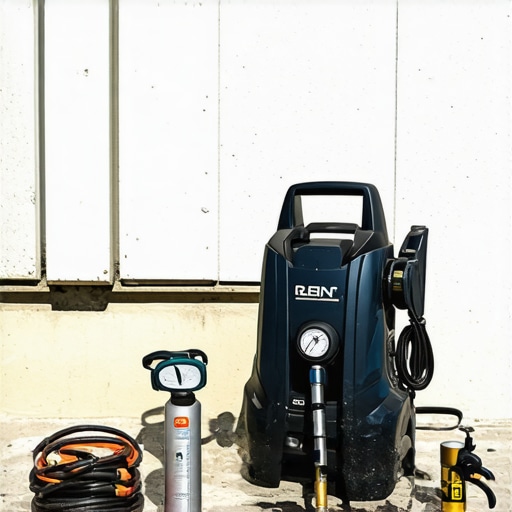
One of my go-to tools for maintaining optimal pressure output is the use of a high-quality pressure gauge. It allows me to monitor the system’s performance regularly, ensuring the pump operates within safe parameters. If you notice a drop in pressure, it might be time to clean your inlet filters or replace worn-out seals. Regularly draining the machine after each use prevents corrosion, especially if you live in a humid climate, and storing the equipment in a dry, sheltered location extends its lifespan.
As technology advances, many power washers now come with diagnostic features or compatibility with maintenance apps that track usage and alert you of necessary tune-ups. While these features are still emerging, incorporating digital tools can simplify your maintenance routine and catch issues early. Looking ahead, I predict the trend will shift towards smart, self-monitoring systems that automatically schedule maintenance, much like modern cars. Embracing these innovations now can give you a competitive edge.
How do I keep my power washer running smoothly over the years?
To keep your equipment performing reliably, establish a maintenance schedule aligned with your usage frequency. Regularly check and replace high-wear components like o-rings, spray nozzles, and valves. Use protective covers when storing the machine outdoors and ensure it’s completely drained of water to prevent freezing damage during colder months. For a comprehensive maintenance guide, I recommend reviewing detailed strategies outlined in this trusted resource.
Finally, always follow manufacturer guidelines for your specific model. Overlooking crucial routine steps can lead to decreased pressure, inefficient cleaning, or even costly repairs. To make sure you’re not neglecting any essential maintenance, try incorporating a monthly checklist that covers inspection, cleaning, lubricant application, and part replacement. Taking these steps consistently translates to consistently powerful results and a long-lasting investment in your equipment.
These Surprising Truths Changed My Power Washing Approach
One lesson I learned the hard way was that higher pressure isn’t always better; sometimes, gentler techniques with the right equipment yield superior results without risking damage. I also discovered that investing in quality nozzles and surface cleaners not only saved me time but enhanced my confidence in tackling stubborn stains. Lastly, understanding the surface materials and adjusting my pressure accordingly prevented costly repairs, proving that knowledge truly is power in power washing.
Gear I Swear By to Keep My Results Consistent
My essential tools include a professional-grade surface cleaner, a variety of spray nozzles, and a durable extension wand—each carefully chosen to match my specific projects. I trust brands like Simpson and Karcher for their reliability and performance, and I regularly consult resources such as this guide to stay updated. Additionally, keeping a high-quality pressure gauge helps me monitor actual output, ensuring Peak performance.
Embrace Your Power Washing Potential Today
Your confidence in power washing can skyrocket with the right mindset and tools—so don’t hesitate to start your next project. Remember, mastering equipment and technique is an ongoing process, but every step forward leads to cleaner surfaces and a stronger skillset. Dive into the resources and tips available, and let your progress inspire others to see the true power behind a well-used power washer.