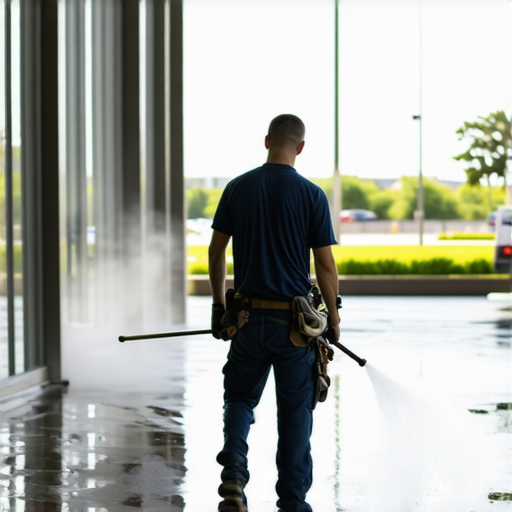
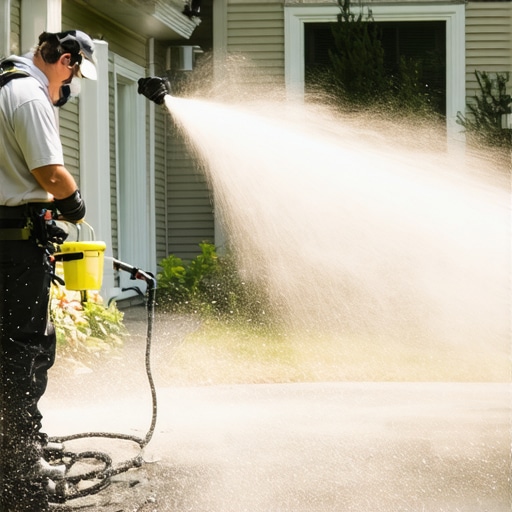
I’ll never forget the first time I took my power washer to my driveway, thinking I was ready to conquer any grime. Five minutes in, I realized I was spraying myself with more mud than I was cleaning. It was a lightbulb moment—technique and equipment matter so much more than I had ever imagined. Since then, I’ve spent hours testing methods, equipment, and strategies, all to help fellow homeowners get reliable, sparkling results without the frustration. Are you tired of uneven cleaning, stubborn stains, or wasting time with ineffective techniques? You’re not alone—and good news, because there are proven strategies that can make a world of difference.
Why Power Washing Success Starts with the Right Approach
Power washing can seem deceptively simple. Spray off the dirt, right? But if you’ve ever struggled with incomplete cleaning, streaks, or damage to your surfaces, you know it’s not. The key is understanding that achieving professional-looking results isn’t about brute force; it’s about technique, equipment, and timing. When I first began, I made the mistake of thinking more pressure meant better cleaning. Turns out, that’s often a fast track to damaged siding or moss being stubborn as ever. According to the ultimate power washing guide, using the correct pressure settings combined with proper technique is what yields consistent, trustworthy results. Today, I want to help you avoid these rookie errors by sharing some tried-and-true tips that will greatly improve your results this year.
Have you faced frustration with inconsistent cleaning results?
Trust me, I’ve been there. Early on, I wasted countless hours battling streaks and missed spots—mainly because I overlooked the importance of equipment quality and the right technique. Learning from those missteps, I discovered that investing in top-notch equipment and mastering a few essential strategies can turn your power washing efforts from a chore into a rewarding experience. Want to know the secret? It’s not just about blasting away dirt; it’s about smart, deliberate action. To dive deeper into how you can elevate your power washing results, check out these expert tips and proven strategies.
Now, let’s explore exactly what techniques make the difference and how you can implement them for stunning, lasting results.
,
Prep Your Equipment and Surface for Success
Before turning on the power washer, inspect your equipment for any damage and ensure hoses, nozzles, and filters are clean. I once started without checking my nozzle, only to realize it was clogged, resulting in uneven spray and frustration. Cleaning or replacing filters prevents debris from clogging your gun, and selecting the right nozzle tip—typically a 25° or 40°—sets the appropriate spray width and pressure. Think of it like choosing the right brush for painting; using the wrong tip can cause streaks or surface damage. Take the time to attach the correct nozzle, and chalk it up to a quick investment for flawless results.
Choose the Right Pressure and Technique
Many homeowners mistakenly think high pressure is always better, but that’s a quick way to damage your surfaces. Instead, aim for a balance: use a pressure setting suited for your surface—around 1500 to 3000 PSI—and keep the wand about 12-18 inches from the surface. When I cleaned my deck, I started with too close and roughened the wood, but once I backed off and adjusted the pressure, the dirt came loose without harm. Similar to watering plants—too much force can damage delicate leaves—adjust your pressure for each surface. Practice a sweeping motion, slightly overlapping each pass to avoid streaks, much like mowing a lawn evenly.
Master the Art of Movement
Move your wand smoothly and systematically across the surface, avoiding lingering too long in one spot. I once tried to quick-spray my patio, resulting in streaks and puddling, but when I slowed down and maintained consistent speed, the surface looked new. Think of your spray pattern as a painter’s brush—steady and even. For vertical or textured surfaces, use a slightly higher angle and gentle strokes to prevent water infiltration or surface damage. Consistency is key—if you zigzag methodically, you’ll cover every inch with minimal waste of water and effort.
Add Detergents for Deep Cleaning
While pressure alone can remove surface dirt, some stains and grime need extra help. Use a suitable detergent or cleaning solution—preferably one designed for power washing—to loosen stubborn mold or grease. Apply it with a low-pressure setting, misting evenly over the surface, and let it sit for a few minutes. During my first deep clean on a mossy driveway, I applied the detergent, waited as recommended, then used a slightly higher-pressure spray to rinse it away, revealing a fresh, renewed surface. Always follow manufacturer instructions to avoid surface damage, and rinse thoroughly to avoid soap residue, which can cause streaks or attract more dirt over time.
Perfect the Final Touches
After the main cleaning, inspect your work for missed spots or streaks. Use a narrow spray for tight corners or stubborn stains, focusing the water jet carefully. During an early project, I overlooked a corner and paid the price with streaked results—a lesson in thoroughness. Take your time to go over problem areas with a focused spray wand or even a brush for delicate surfaces. Close inspection and touch-ups ensure professional-looking finishes that last longer, transforming your DIY job into a surface that looks showroom-ready. Remember, patience during this phase pays off with satisfying, durable results.Power washing seems straightforward but, in reality, many homeowners fall prey to subtle misconceptions that undermine their results. A widespread myth is that higher pressure always equals better cleaning; however, applying excessive PSI can damage delicate surfaces like siding or wood decks, leading to costly repairs. Instead, mastering the nuances of pressure adjustment is crucial—using the right settings tailored for each surface ensures optimal results without harm. This requires not just knowledge but also experience, as the ideal pressure varies based on material and dirt stubbornness. Additionally, many overlook the importance of proper nozzle choice; a common mistake is sticking to a single, high-pressure nozzle, which may cause streaks or surface erosion. Instead, using wider angles like 25° or 40° for general cleaning distributes water more evenly, reducing risks of damage and improving coverage. It’s also tempting to rush through cleaning sessions, but a systematic, overlapping technique consistently produces far better, streak-free surfaces. Advanced power washers come equipped with variable settings and features, but understanding the proper application of these tools is where true expertise shines. For instance, using detergents effectively requires a low-pressure spray to prevent immediate rinsing, allowing cleaning solutions to penetrate stubborn grime. Ignoring this step often results in incomplete cleaning and the need for rework. To truly elevate your technique, consider integrating proven strategies—like pre-wetting surfaces, maintaining consistent wand distance, and combining chemical aid with pressurized rinsing. Missteps in these areas are common among novices but can be easily avoided with proper guidance. Have you ever fallen into this trap? Let me know in the comments. For more detailed insights on optimizing your equipment and techniques, explore *these expert tips and proven strategies* to boost your power washing results.
Ensuring your power washer remains in top shape over time is crucial for achieving reliable, professional results. The foundation of a successful power washing routine is not just about having the right equipment but also about maintaining it properly and understanding which tools deliver consistent performance. Regular upkeep prevents costly repairs, extends the lifespan of your machine, and guarantees optimal cleaning power with every use.
Invest in Quality Equipment for Long-Term Performance
From the outset, choosing durable, well-made equipment pays dividends. I personally swear by professional-grade pressure washers like the Simpson MegaShot or Honda GX series, as they provide the balance of power and longevity needed for demanding jobs. These models feature corrosion-resistant components, reliable pumps, and sturdy frames that withstand frequent use. When selecting nozzles and hoses, opt for stainless steel or high-quality rubber components, which resist wear and tear. Remember, a top-tier machine may cost more initially, but it reduces downtime and maintenance costs down the line. For a comprehensive insight into equipment options, check out this ultimate equipment guide.
How do I maintain my power washer over time?
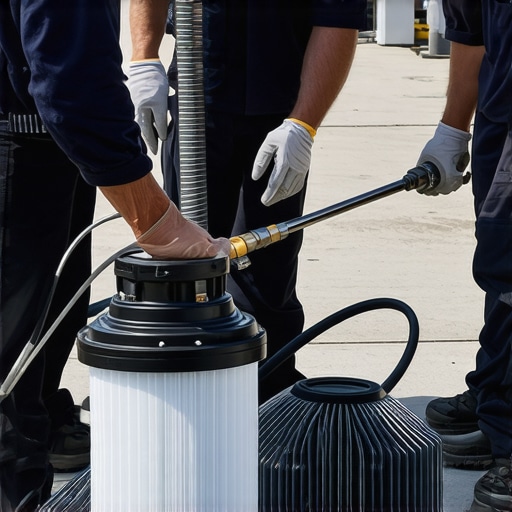
Routine maintenance is your best friend. After each session, flush out the system to remove debris, especially if you’re using city water that may contain minerals. Periodically, inspect and replace the pump oil—following your manufacturer’s guidelines—and clean or replace filters to keep water flow steady. Don’t forget to check hoses for cracks or leaks, which can reduce pressure and cause water wastage. Lubricate moving parts as recommended to prevent rust and ensure smooth operation. Documenting your maintenance schedule helps you stay consistent, avoiding surprises when tools fail unexpectedly. Additionally, consider adding a water softener if you live in an area with hard water—this prevents mineral buildup that can diminish your equipment’s performance and lifespan, as highlighted in technical manuals like this detailed guide.
Tools I recommend to keep your power washer performing at its best
In my experience, the right accessories and tools make maintenance more manageable and effective. A quality maintenance kit that includes spare nozzles, o-rings, and pump oil is a must-have. I prefer to use a high-pressure washer detergent specifically formulated for pumps to minimize corrosion and extend internal component life. Additionally, investing in a good nozzle cleaning kit prevents clogs and guarantees precise spray patterns. For daily inspections, a flashlight, mirror, and a set of wrenches help spot potential issues before they escalate. To streamline cleaning and inspections, I also use an adjustable wrench with a torque rating suited for high-pressure systems—recommended by industry experts for safety and reliability. Accessory upgrades like quick-connect fittings for nozzles save time and reduce wear on the coupling points, ensuring your tool transitions smoothly between tasks. Reliable tools for ongoing maintenance, combined with routine checkups, will keep your power washer performing optimally for years to come.
Why staying ahead with maintenance matters
Preventive care isn’t just about avoiding breakdowns; it’s about maintaining consistent pressure, flow rate, and cleaning power. As technology advances, newer models incorporate digital sensors and intelligent diagnostics—features that help identify potential issues early. Predictive maintenance, powered by digital monitoring, represents the future of power washing care, allowing you to schedule repairs before failures occur, much like the systems detailed in this resource. Staying on top of your equipment’s health not only saves money but also ensures your surfaces are cleaned effectively and safely every time.
Consider adopting some of these maintenance routines today—try setting an annual checkup schedule or updating your toolset with essential accessories. Remember, a well-maintained power washer is your most trusted partner in achieving stunning, lasting results. For additional tips on optimizing your effort, explore these expert strategies.
What I Wish I Knew When I Started Power Washing
- Less Pressure, More Precision: I used to think cranking up the PSI was the key, but I learned that gentle, deliberate pressure with proper technique often yields better results without damaging surfaces.
- Tool Quality Matters: Investing in durable nozzles and hoses saved me time and frustration, proving that good equipment is an investment in success.
- Surface Awareness Is Everything: Different materials require different approaches; treating a wooden deck with the same pressure as concrete leads to avoidable mistakes.
- Patience Over Power: Rushing results in streaks or missed spots. A steady, methodical approach pays off with a smoother, more professional finish.
- Preparation Is the Secret Weapon: Pre-wetting surfaces and selecting the right detergents can dramatically cut down cleaning time and improve outcomes.
My Tried-and-True Arsenal for Power Washing Success
Over time, I’ve curated a set of tools and resources that truly elevate my power washing game. This equipment guide helped me choose reliable, long-lasting gear that delivers consistent results. My go-to detergents from trusted brands ensure stubborn grime is no match, and a set of replacement nozzles makes quick adjustments effortless. Regular maintenance tools like pump oil, filter cleaners, and high-quality spray wands keep my equipment performing at peak levels. Having these essentials not only streamlines my workflow but also boosts my confidence during each project.
Your Next Power Washing Milestone Starts Today
Remember, the most impressive results come from a mindset of continuous learning and patience. Embrace the small lessons, invest in quality tools, and maintain a curious, proactive attitude. The journey toward mastering power washing isn’t just about cleaning surfaces; it’s about cultivating skills that turn an ordinary task into a craft you can be proud of. So, dust off your equipment, try new techniques, and watch your surfaces transform. Have you ever felt stuck trying to perfect your power washing technique? Share your experiences below—let’s learn from each other and grow stronger in this craft together.