Ever fired up my power washer, only to be met with mediocre results that left me frustrated and questioning whether I was doing it right? I remember the lightbulb moment when I realized that my equipment and technique weren’t enough on their own. It was like trying to paint a wall with a tiny brush—sure, I was cleaning, but not effectively. That’s when I decided to dig deeper into what really makes a difference in power washing success.
Why Your Power Washing Could Be Falling Short
In my early days, I made the mistake of thinking that more pressure alone would do the trick. Turns out, that’s only part of the story. Proper equipment, technique, and understanding the surface you’re cleaning play crucial roles. If you’re tired of wasting time and water, and still not seeing that sparkling finish, then this post is for you. Today, I’m going to share the secrets I’ve learned to help you boost results and build confidence in your power washing skills.
Is Bigger Pressure Always Better? The Reality You Need to Know
One of my biggest mistakes was cranking up the pressure without considering the surface or the right nozzle. I caused damage and still didn’t get the clean I wanted. Trust me, it’s a common misconception that higher PSI guarantees better results. In fact, using the correct equipment and techniques is far more impactful. For a complete guide on choosing the right tools and strategies, check out this resource. It’s packed with insights on maximizing efficiency in 2024.
So, if you’ve ever felt like you’re fighting your equipment without making real progress, don’t worry. You’re not alone. The good news is, with some tweaks, you can drastically improve your outcomes. And I’ll show you how to avoid the common pitfalls that even seasoned DIYers fall into. Ready to transform your power washing game? Let’s dive into the practical steps that will turn your efforts into professional-level results.
Choose the Right Equipment for Immediate Impact
The foundation of effective power washing begins with selecting the appropriate tools. I once borrowed a cheap, generic pressure washer that struggled with stubborn stains. After upgrading to a professional-grade unit, the difference was night and day. Focus on models with adjustable PSI and GPM to match your cleaning tasks. For surfaces like wooden decks or delicate sidings, using equipment with variable pressure settings and specialized nozzles is essential. Check out this guide to understand equipment options that maximize results.
Master Technique with the Correct Nozzle and Pressure
Applying the right nozzle and pressure is crucial. I used to blast away with the widest spray and high PSI, thinking more power meant cleaner surfaces. It often caused damage or incomplete cleaning. Instead, I now use a 25-degree nozzle for most tasks, which balances pressure and coverage. Adjusting PSI to suit the surface prevents damage and improves cleanliness. Remember, a wider spray pattern cleans more evenly, reducing streaks and missed spots. For detailed nozzle guidance, explore this resource.
Prep Surfaces for Superior Results
Prepping is a step I once skipped, leading to dirt smudges and repeated passes. Now, I pre-wet delicate surfaces and apply a cleaning solution with a low-pressure spray. Letting the solution sit for five minutes breaks down grime, making rinsing more effective. For stubborn spots, a soft brush can help loosen debris before rinsing. Properly prepped surfaces ensure the high-pressure blast works efficiently. For specific techniques, see this article.
Use Technique to Maximize Cleaning Power
Consistent, overlapping passes with controlled movement deliver the best results. I learned to keep the wand at a consistent distance—about 12 inches from the surface—and moved in smooth, sweeping motions. Rushing causes streaks and missed spots. Also, maintaining a steady pace prevents uneven cleaning. Applying a slight angle prevents streaking and boosts efficiency. Practice makes perfect—start on less visible areas to refine your technique. For advanced tips, consult this guide.
Post-Cower Washing Care for Lasting Results
Once finished, I always rinse thoroughly to remove residual cleaning agents and dirt. Applying a surface sealant or protective coating after washing extends the clean look and shields surfaces from future grime. Proper drying and inspection ensure no spots are overlooked. This attention to detail keeps surfaces looking fresh longer and prevents streaks or stains from reappearing. For best practices, check this resource.
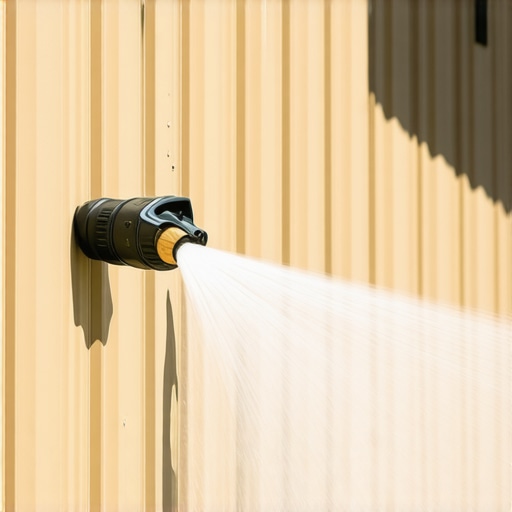
Many DIY enthusiasts and even seasoned power washers get caught up in common beliefs that can hinder their results. One of the biggest misconceptions I’ve encountered is the idea that cranking up the pressure will automatically lead to a cleaner surface. While high PSI might seem like the logical choice, it often causes more harm than good, especially if you’re not using the right nozzle or technique. This myth persists because many manufacturers tout higher PSI as a sign of better cleaning, but in reality, it’s about how you use that power. For example, using excessive pressure on delicate surfaces like wood or vinyl can cause damage, peeling paint, or uneven cleaning. Instead, mastering the nuances of pressure settings and nozzle selection is what truly makes a difference. For advanced insights on equipment and technique, check out this resource.
Why do many professionals emphasize technique over brute force?
The truth is, technique is the real game-changer. Proper overlap, correct nozzle angle, and maintaining a consistent distance from the surface ensure even and effective cleaning. Rushing through the job or using improper angles can leave streaks or missed spots, which diminishes the overall appearance. For a deep dive into expert techniques, explore this article. Remember, patience and precision trump raw power every time.
Common Myth: All Nozzles Are Created Equal
Many people assume that switching nozzles is just a matter of adjusting spray pattern, but the truth is, each nozzle has a specific purpose. Using a 0-degree nozzle for everything can cause damage or incomplete cleaning. Instead, selecting the right nozzle—such as a 25-degree for general cleaning or a 40-degree for delicate surfaces—ensures safety and effectiveness. A frequent mistake is sticking to one nozzle for all jobs, which reduces efficiency and risks surface damage. To get it right, review this guide on nozzle selection and pressure calibration.
Have you ever fallen into this trap? Let me know in the comments. Remember, the key to professional results lies in understanding these nuances rather than just blasting away with maximum pressure. Mastering equipment, technique, and surface prep will elevate your power washing game from average to expert level.
Maintaining your power washing equipment is crucial to ensure consistent performance and extend its lifespan. Over time, even the best tools can experience wear and tear, but with proper care, you can keep them running smoothly for years. I personally rely on a few key strategies and tools that make maintenance straightforward and effective.
How do I keep my power washer in top shape over time?
First, regular inspection is essential. After each job, I check hoses, nozzles, and the spray gun for any signs of damage or leaks. If I notice any cracks or wear, I replace parts immediately to prevent further issues. Cleaning the filters regularly is another step I recommend—clogged filters reduce pressure and efficiency. Using a high-quality, biodegradable cleaning solution for rinsing and flushing out the system helps prevent buildup and corrosion. Additionally, I always drain the water from the unit after use, especially during colder months, to prevent freezing and damage.
For ongoing maintenance, I turn to specific tools that simplify the process. A good pressure washer maintenance kit, which includes lubricants, filter replacements, and nozzle cleaners, is worth investing in. I also use a high-pressure hose reel to prevent kinks and prolong hose life. Checking and tightening fittings periodically keeps everything secure and prevents leaks during operation.
Which tools do I recommend for power washer upkeep?
I highly recommend a dedicated filter cleaning tool—it makes clearing debris from the system quick and easy, maintaining optimal flow. A nozzle cleaning kit is also invaluable; it helps remove mineral deposits and blockages that can lower spray quality. For more comprehensive care, I use a pressure washer maintenance schedule that I set monthly, covering everything from oil levels to belt checks.
As technology advances, I predict that smart diagnostics will become more common, alerting users to issues before they escalate. Future tools might include app-connected sensors that monitor pressure and flow rates, enabling proactive maintenance. Staying ahead of these trends means investing in versatile, upgradeable equipment now and adopting routine checkups.
Make the most of your tools with expert advice
One tip I urge you to try today is to routinely flush your system with fresh water and a cleaning solution after each use. This simple step prevents mineral buildup and corrosion, ensuring your equipment performs at its best. Remember, proper maintenance isn’t just about fixing problems—it’s about preventing them. Regularly inspecting and caring for your tools will pay off in cleaner surfaces and longer equipment life. Don’t forget to visit this resource for advanced strategies on maximizing your power washer’s efficiency. Get started today and enjoy reliable, professional results every time!
The Hardest Lesson I Learned About Power Washing Surfaces
One of my biggest realizations was that not all surfaces respond well to the same pressure or technique. For example, I once used high PSI on a wooden deck and ended up peeling paint and splintering wood. It taught me that surface understanding and gentle approaches are key. This lightbulb moment pushed me to research and experiment, ultimately saving time, money, and frustration.
3 Myths About Power Washing That Held Me Back
I used to believe that cranking up the pressure would clean faster and better, but I soon learned it often caused damage and streaks. Another myth was that all nozzles are interchangeable—wrong! Using the correct nozzle makes a huge difference. Lastly, I thought skipping pre-treatment was okay, but in reality, it’s the secret to efficient cleaning and longer-lasting results. Busting these myths transformed my approach and results.
What Experts Won’t Tell You About Equipment Maintenance
Many overlook the importance of regular upkeep. I found that inspecting hoses, replacing filters, and flushing out the system after each use prevent costly breakdowns. Investing in a maintenance kit and setting monthly checkups helped me keep my equipment in top shape. Staying ahead of wear and tear means fewer surprises and consistent results—trust me, it’s worth the effort.
My Essential Toolkit for Power Washing
I rely on a few trusted tools: a high-quality adjustable pressure washer, a variety of nozzles (especially 25-degree for most jobs), and a durable surface cleaner attachment. These tools provide control and efficiency, making each job easier and more professional-looking. Check out this guide for choosing equipment that matches your needs.
Where to Go from Here
If you’re serious about elevating your power washing game, dive into resources like this expert guide. It offers strategies to boost efficiency and results. Remember, mastering your equipment and technique is a journey—practice patience, stay curious, and keep learning. Your surfaces will thank you, and your confidence will grow with every project.
Your Turn to Try
Are you ready to put these insider lessons and expert tips into action? Which surface or technique will you tackle differently next time? Share your plans or questions below—let’s learn from each other’s power washing journeys!
Reading this post really resonated with me. I used to think that pushing the pressure higher would automatically lead to a cleaner surface, but I quickly learned that technique and equipment choice matter so much more. I’ve had better results when I’ve taken the time to select the right nozzle and adjust the PSI according to the surface—especially with delicate siding. One challenge I often face is knowing how to effectively pre-treat stubborn stains or buildup before power washing. Does anyone have tips on good cleaning solutions or pre-treatment methods that work well on sealed wooden decks? I find that patience during surface prep can save so much time and prevent damage. This post has inspired me to be more strategic rather than just relying on raw power. I’d love to hear others’ experiences with surface-specific techniques or tips for tackling tougher grime without risking damage.