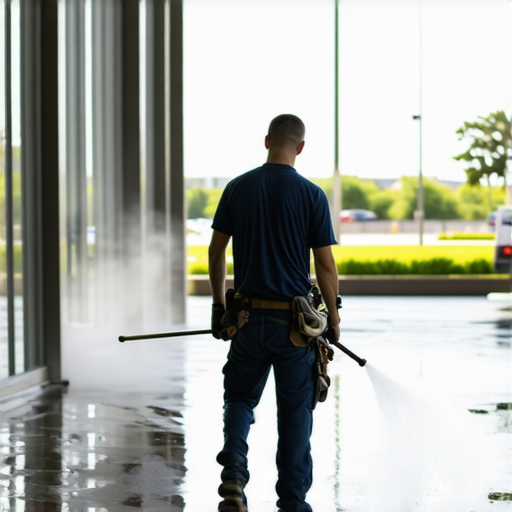

Ever spent hours battling stubborn grime, only to feel like your power washer is underperforming? I’ve been there. One Saturday, I was all set for a quick clean-up, only to realize that my results were disappointing and inconsistent. It hit me—my equipment and techniques weren’t optimized. That frustrating moment sparked a journey to discover how to truly maximize powerwasher results. If you’ve ever wondered why your power washing projects don’t look as professional as you’d like, stick around. Today, I’ll share the game-changing tips and equipment insights that transformed my approach—and can do the same for you.
Why Getting Power Washing Right Matters Now More Than Ever
In recent years, pressure washing has become more than just a way to clean surfaces; it’s now a crucial part of home maintenance and curb appeal. Whether you’re preparing your house for sale or just want to keep your property looking sharp, a professional-looking clean makes a huge difference. But here’s the catch—if you’re not using the right techniques or equipment, you might be wasting time and water, or worse, damaging your surfaces.
According to a recent study, improper power washing can reduce the lifespan of your exterior surfaces by causing unnecessary wear and tear. That’s why understanding how to optimize your results isn’t just about aesthetics—it’s about protecting your investment. I made a big mistake early on by assuming that more pressure always equals better cleaning. Turns out, that’s not the case. Using the wrong nozzle or neglecting proper technique can lead to surface damage and poor results. Trust me, I’ve learned the hard way that effective power washing is a skill you can master with the right knowledge.
In this post, I’ll guide you through proven strategies to boost your cleaning power, select the best equipment, and avoid common pitfalls. Whether you’re a DIY enthusiast or looking to enhance your professional game, these tips are your shortcut to impressive, lasting results. Ready to stop struggling and start cleaning smarter? Let’s dive in.
Is High Pressure Always Better for Power Washing?
One of the biggest skeptics’ fears I hear is that investing in top-tier equipment and techniques might not be worth it. I used to think that cranking up the pressure was the secret to a spotless surface. But I learned early on that this approach can backfire. Using excessive pressure can strip paint, etch concrete, and damage delicate siding. Instead, the real trick is knowing how to apply just the right amount of power for each surface.
My first mistake was ignoring the importance of proper nozzle selection and technique. I kept using a high-pressure nozzle for everything, which only led to uneven cleaning and surface damage. Once I understood the importance of matching pressure with the surface, my results improved dramatically. For a detailed look at the equipment that can make a difference, check out this guide on effective equipment tips. It’s a game changer.
Now, with the right tools and techniques, I can clean faster, safer, and with a professional finish. If you’ve faced similar worries or setbacks, don’t worry. Mastering power washing is about more than just brute force—it’s about precision and care. Up next, I’ll walk you through the key steps to achieve that perfect clean.
,
Choose the Right Nozzle and Pressure Settings
Start by selecting a nozzle that matches your surface. For delicate siding, use a 25-degree nozzle, which disperses water gently to prevent damage. For tougher surfaces like concrete or brick, a 15-degree nozzle delivers more concentrated power. Remember, high pressure isn’t always better; it’s about applying the right amount of force. I once tried to blast away grime with maximum pressure on my wooden deck, only to end up with splinters and uneven surfaces. Instead, I dialed down the pressure, adjusted the nozzle, and saw a smooth, streak-free finish. For detailed guidance, check out this expert equipment guide.
Adjust Distance and Technique for Optimal Results
Keep the wand at the correct distance—usually about 12 to 18 inches from the surface—to avoid damaging or missing spots. Use smooth, overlapping passes, much like mowing a lawn, to ensure even coverage. I once made the mistake of rushing, holding the wand too close, which caused streaks and surface etching. Slowing down and maintaining a consistent distance improved my results dramatically. Mastering this step is crucial; for techniques that boost efficiency, visit this detailed article.
Use the Correct Cleaning Solutions
Apply detergents suited for your surface—deck cleaners for wood, mold removers for siding, etc. Pre-treat stubborn stains with a foam cannon or low-pressure spray, allowing the solution to penetrate before rinsing. I once skipped this step on my driveway and ended up with a partial clean that looked worse than before. When I used a biodegradable cleaner and let it sit for 10 minutes, the grime wiped away easily. For the best results, invest in quality cleaning solutions recommended by professionals, which you can find insights on here.
Maintain Equipment for Consistent Power
Regularly check hoses, nozzles, and filters. Clean or replace worn parts to maintain peak pressure and flow rate. A clogged nozzle or worn-out hose reduces pressure and prolongs cleaning time. I learned this lesson the hard way when my pressure dropped mid-project because of a clogged filter. After cleaning or replacing the parts, my power washer performed like new. To maximize your equipment’s lifespan and efficiency, see this comprehensive equipment maintenance guide.
Practice to Refine Your Technique
Practice on a small, inconspicuous area before tackling the entire surface. Adjust your distance, pressure, and angle based on the material. I vividly remember my first attempt on a small patch of siding, where I experimented with different nozzles and distances. That trial-and-error phase helped me develop a steady hand and a keen eye for what works. Consistent practice ensures you don’t miss spots or cause damage, leading to professional-looking results. For more advanced tips, explore this expert advice.
Few things can derail a power washing project faster than misconceptions about how it works. While many DIY enthusiasts and even some professionals fall for these myths, understanding the nuances can save you time, money, and surface damage. Let’s dig deeper into what most people get wrong about power washing and how to avoid costly mistakes.
Is More Pressure Always Better for a Cleaner Surface?
This is perhaps the most widespread misconception. Many believe that cranking up the pressure will lead to a cleaner surface in less time. However, this often results in surface damage, like etching concrete or stripping paint. According to expert advice, the key is to match the pressure to the material. For delicate sidings, low-pressure settings combined with proper nozzle selection can achieve better results without risk. For tougher surfaces, higher pressure is suitable, but only when used with the correct technique and equipment, such as a 15-degree nozzle. To learn more about selecting the right equipment and pressure, check this guide.
Using the Same Technique for Every Surface
Another common mistake is applying the same distance, angle, and approach across all surfaces. This “one-size-fits-all” method can lead to uneven cleaning or damage. For instance, holding the wand too close on siding can strip paint, whereas too far away on concrete may result in missed spots. The secret is to adapt your technique based on the material—using a gentle, sweeping motion for wood and a more direct approach for concrete. Practice makes perfect, and refining your method will produce professional results. Want to master this? Visit this resource.
Overlooking Surface Preparation and Post-Cleaning Care
Many skip pre-treatment and post-cleaning steps, thinking power washing alone will do the job. But applying appropriate cleaning solutions before washing can loosen stubborn stains, mold, and grime, making your job easier and more effective. Similarly, post-treatment with sealants or protective coatings can extend the life of your surfaces. Neglecting these steps shortchanges your results and can even cause surface degradation over time. For detailed tips, see this guide.
Are You Falling for the Myth of Instant Results?
Patience and technique trump brute force. Rushing the process or applying excessive pressure can lead to surface damage, which is often irreversible. Effective power washing is about strategic application—knowing when to increase or decrease pressure, adjusting your distance, and working systematically. Practice and experience are your best tools here. Remember, a professional finish takes time and attention to detail. Have you ever fallen into this trap? Let me know in the comments.
Maintaining your power washing equipment is crucial for achieving consistently excellent results and prolonging the lifespan of your tools. Over the years, I’ve learned that the secret to reliable, professional-level cleaning lies not only in choosing the right equipment but also in implementing a regular maintenance routine. This approach ensures your power washer remains efficient, safe, and ready to tackle any project.
Invest in Quality Nozzles and Attachments
One of the most impactful upgrades I made was switching to high-quality, adjustable nozzles. I personally use the professional-grade nozzles that allow me to fine-tune the spray angle, providing better control and reducing surface damage. These nozzles are made from durable materials like stainless steel, which resist wear and tear over time. Using the correct nozzle not only improves cleaning results but also minimizes the risk of surface damage, especially on delicate materials.
Regularly Check and Clean Filters and Hoses
Filters and hoses are the lifeblood of your power washer. I make it a habit to inspect and clean them before every big project. Clogged filters can significantly reduce pressure and water flow, leading to inefficient cleaning. I recommend removing the filters, rinsing them with fresh water, and replacing any worn or damaged hoses. This simple step maintains optimal pressure and prolongs your equipment’s life. For more detailed maintenance strategies, see this comprehensive guide.
Use Proper Storage and Protection
Storing your power washer correctly is often overlooked but essential. I always drain all water from the system after use to prevent freezing and corrosion. Keeping the equipment in a dry, protected space shields it from the elements and extends its lifespan. Additionally, I use protective covers for nozzles and hoses. Investing in a sturdy cart or wall mount for storage keeps everything organized and readily accessible, saving time on setup and tear-down.
Implement Routine Inspection and Repairs
Creating a maintenance schedule helps me catch issues early. I routinely check for leaks, worn-out seals, or loose fittings. If I notice a drop in pressure, I immediately investigate and address the problem—often a sign of a clogged nozzle or a worn pump seal. Having a basic set of repair tools and spare parts on hand allows me to fix minor issues without delay. This proactive approach prevents costly breakdowns and keeps my equipment running smoothly. For expert tips on diagnosing and fixing common issues, explore this trusted resource.
Stay Ahead with Upgrades and Modern Technology
Looking towards the future, I believe integrating smart technology and automated systems will become standard. Devices that monitor pressure, flow rate, and maintenance alerts can help prevent problems before they happen. For instance, some advanced models now feature digital displays that track usage hours and suggest maintenance intervals. Investing in these tools now can save time and money down the line, ensuring your power washing setup remains top-notch. To get ahead, try upgrading your equipment with a high-efficiency pressure regulator or a water filtration system—both of which I highly recommend for consistent results. For the latest trends, check out this article on innovative tools.
Regular maintenance might seem like extra work, but it’s the best way to keep your equipment performing at its peak. Whether you’re a professional or a dedicated DIYer, dedicating a few minutes after each project to inspect and care for your tools will pay off with longer-lasting, more reliable results. Don’t neglect this crucial step—your surfaces, wallet, and future projects will thank you. Ready to give your power washer the care it deserves? Start by checking your filters and nozzles today, and experience the difference firsthand.
The Hardest Lesson I Learned About Power Washing Surfaces
One of the most valuable lessons I discovered was that not all surfaces respond equally to pressure washing. I once tried to clean my wooden deck with high pressure, expecting quick results, only to end up with splintered wood and uneven spots. That experience taught me to always assess the material before choosing my technique and equipment. It’s a simple rule that can save you from costly damage and frustration.
3 Myths About Power Washing That Held Me Back
- More pressure equals better cleaning: False. Excessive pressure can damage surfaces. Instead, I learned to match pressure to the material for effective results.
- One nozzle fits all: Wrong. Different surfaces require different nozzles. Using a 25-degree nozzle for siding and a 15-degree for concrete made my cleaning more efficient and safe.
- A quick spray delivers the best results: Not at all. Slow, deliberate passes with proper technique produce the best, most even clean.
What Experts Won’t Tell You About Power Washing
Many professionals keep quiet about the importance of equipment maintenance and surface preparation. I found that regularly checking and cleaning my nozzles, hoses, and filters, as well as pre-treating stubborn stains, makes a significant difference. This proactive approach ensures consistent power and extends the life of my equipment, saving me money and time in the long run.
Curated Tools That Changed How I Power Wash
- High-quality adjustable nozzles: They give me control over spray angles, reducing surface damage.
- Detergent sprayers and foam cannons: These tools help pre-treat surfaces for deeper cleaning.
- Routine maintenance kits: Keeping my equipment in top shape prevents pressure drops and breakdowns.
- Smart monitoring devices: They alert me to issues before they become costly repairs.
Your Turn to Make Power Washing Easier and Safer
Mastering power washer techniques and equipment can seem daunting at first, but with patience and practice, you’ll achieve professional results that protect your surfaces and save you time. Remember, the key is understanding your equipment, adapting your approach to each surface, and maintaining your tools regularly. This knowledge not only boosts your confidence but also ensures every project is a success.
What’s the biggest challenge you’ve faced when power washing? Drop your experience below—I’d love to hear your stories and help you troubleshoot!