
Ever spent hours blasting away grime only to find the surface dull, streaked, or worse — damaged? I sure have. Early in my power washing journey, I made the classic mistake of thinking that more pressure automatically meant better results. Turns out, that’s not the case. I learned the hard way that using the right equipment and techniques can make or break your success — and save you from costly re-dos or surface damage.
Why Your Power Washing Results Depend on Equipment and Strategies
When I first started, I underestimated how critical quality tools and proper techniques are. I thought a high-pressure nozzle was enough. Spoiler alert: It’s not. Investing in the right equipment and knowing how to use it properly drastically improves your results and extends the life of your surfaces. According to industry experts, the right tools can boost cleaning efficiency by over 50%. That’s significant! If you’re tired of inconsistent results or worried about damaging surfaces, I promise, this guide will help you get it right the first time. Ready to upgrade your setup and techniques? Let’s dive in.
Is Better Equipment Really Worth the Investment?
Early on, I tried to cut corners, thinking I could get by with cheap nozzles and a generic hose. Big mistake. Not only did I waste more time, but I also risked ruining the surfaces I was trying to clean. I learned that premium equipment, like adjustable pressure wands and specialized nozzles, really does pay off. For a comprehensive look at the best tools for 2024, check out this resource. It’s packed with advice on what really works and what doesn’t.
So, if you’ve faced the frustration of uneven cleaning or surface damage, know that your equipment choices matter. The good news? Upgrading doesn’t mean breaking the bank. There are smart options for every budget, and I’ll share my favorites along the way. But first, let’s talk about the biggest misconceptions that could be holding you back.
Choose the Right Nozzles and Attachments
Start by selecting the appropriate nozzles for your task. I vividly remember the mess I made when I used a 0-degree nozzle on a delicate wooden deck — the surface was gouged and streaked. To avoid this, opt for adjustable nozzles or those specifically designed for different surfaces. A wide-angle nozzle (25 or 40 degrees) is excellent for gentle cleaning, while a narrow spray (15 degrees) offers more power for tough stains.
Set Your Pressure Correctly
Think of pressure as the water’s force — too high, and you risk damage; too low, and you won’t clean effectively. I learned this the hard way when I initially set my pressure washer to maximum, causing paint to peel off my siding. To get it right, consult your equipment’s manual and adjust the PSI (pounds per square inch) according to the surface. Soft surfaces like vinyl or wood need lower PSI (around 1500-2500), while concrete can handle 3000-4000 PSI. Remember, less is often more — start low and increase if needed.
Use a Consistent Technique for Even Cleaning
Hold the wand at a consistent distance, about 12-18 inches from the surface, and keep your movements steady and overlapping. I once tried to rush through a driveway, zigzagging wildly, which left uneven patches. Slow, overlapping passes ensure uniform results and prevent streaks. Think of it like painting a wall — small, controlled strokes yield the best finish.
Upgrade Your Equipment for Better Results
Investing in quality tools makes a noticeable difference. I upgraded to a variable pressure wand and specialized nozzles after realizing my budget nozzles weren’t cutting it. The difference was like switching from a cheap paintbrush to a professional roller — cleaner, faster, and more precise. For top picks in 2024, check out this resource. It offers insights into the best equipment tailored for different needs and budgets.
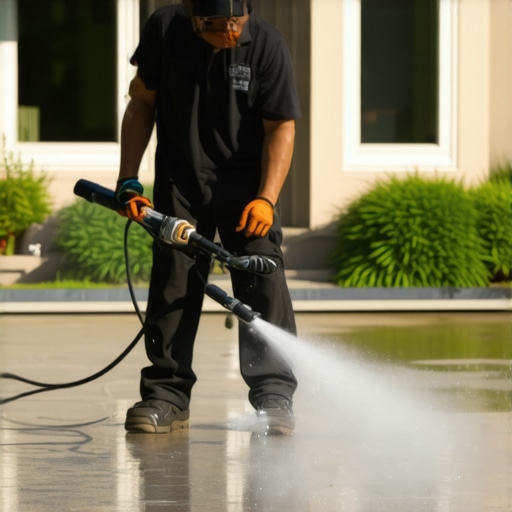
Use high-quality extension wands for hard-to-reach areas, and consider quick-connect fittings for faster setup. Remember, the right equipment isn’t just about power; it’s about control and precision, ensuring surfaces aren’t damaged and cleaning is thorough.
Maintain Your Equipment for Longevity
Proper maintenance prolongs the life of your tools. After each use, flush out the system and store it in a dry place. I learned this lesson when my pressure washer corroded because I neglected to drain it properly. Regularly check hoses and nozzles for wear and replace them as needed. This simple habit saves money in the long run and keeps your equipment performing at its best.
Practice and Adjust Techniques Continuously
Power washing isn’t just about equipment; it’s also about technique. Watch videos, read guides, and practice on less visible surfaces first. Every surface reacts differently; wood, concrete, siding — each needs a tailored approach. I spent a weekend experimenting with different angles and distances, which significantly improved my results. Remember, fine-tuning your technique is an ongoing process that pays off with cleaner, longer-lasting surfaces.
Many enthusiasts dive into power washing with the belief that pushing harder and using the most aggressive settings will lead to better cleaning. The truth, however, is more nuanced. In fact, this misconception can cause surface damage and lead to costly re-dos. Let’s dig deeper into what most people get wrong about advanced power washing strategies and how to avoid common pitfalls that even experienced DIYers can fall into.
Why More Pressure Isn’t Always Better
The widespread myth is that increasing PSI (pounds per square inch) automatically results in cleaner surfaces. While high pressure might seem effective, it often causes harm, especially on delicate surfaces like wood or vinyl siding. Industry experts emphasize that the key to optimal results is adjusting pressure according to the surface, not just maxing out the PSI. Overusing pressure can gouge, strip paint, or etch concrete. Instead, focus on proper nozzle selection and technique, which can be more effective than brute force. For advanced tips on setting your pressure washer correctly, check out this guide.
Choosing the Wrong Nozzles Can Backfire
Many newcomers rely on generic nozzles, assuming they’re all interchangeable. This is a trap. Different nozzles produce different spray angles and pressure distributions. Using a narrow, 0-degree nozzle on a large flat surface can cause damage, while a wide-angle nozzle might not provide enough cleaning power. Advanced users know that adjustable nozzles or specific nozzle types tailored to surfaces yield superior results. A common mistake is neglecting to switch nozzles when transitioning between surfaces, leading to uneven cleaning or damage. To master nozzle selection, explore this resource.
How Can I Get Better Results Without Increasing Pressure?
Many believe that higher pressure is the only way to improve results. But experienced power washers know that technique, surface preparation, and equipment upgrades can do more. Proper overlapping, maintaining the right distance, and using the right cleaning solutions can dramatically boost efficiency. Additionally, upgrading to variable pressure wands or specialized nozzles allows for tailored cleaning, reducing the risk of damage while improving outcomes. If you’re serious about elevating your results, consider investing in quality equipment, which can be surprisingly affordable. For top equipment picks and techniques, visit this page.
Finally, remember that surface condition, dirt type, and environmental factors all influence cleaning strategies. Rushing into high-pressure cleaning without understanding these nuances often leads to subpar results. Mastering the right balance of equipment, technique, and surface knowledge is the real secret to professional results at home. Have you ever fallen into this trap? Let me know in the comments.
How do I maintain my power washing equipment over time?
Keeping your power washer in top shape requires regular maintenance and a few essential tools. I personally swear by a high-quality water filter attachment, which prevents debris from clogging your nozzles and extends the lifespan of your pump. Regularly inspecting hoses and connections for wear and replacing worn parts promptly can save you from costly breakdowns. After each use, I always flush the system with clean water and store it in a dry, sheltered space to prevent corrosion. For more detailed guidance, check out this resource. Additionally, investing in a maintenance kit that includes nozzle cleaners and pump oil ensures your equipment runs smoothly season after season.
What tools do I recommend for maintaining long-term power washing results?
Personally, I rely on a few specific tools that have made a big difference. A digital pressure gauge allows me to monitor PSI accurately, ensuring I don’t unintentionally damage surfaces. I also recommend a set of brass nozzle cleaners—they’re small but invaluable for clearing clogs and maintaining optimal spray patterns. A durable, weather-resistant cover for storing your equipment keeps everything protected from the elements. For those looking to upgrade, a variable pressure wand with easy-to-adjust settings gives you precise control over pressure, reducing wear and tear. To explore more about top tools for 2024, visit this page. Remember, investing in quality tools isn’t just about better results; it’s about ensuring your investment lasts for years to come.
Future trends in power washing maintenance and tools
Looking ahead, I predict that automation and smart tech will play a bigger role. Imagine pressure washers with built-in sensors that alert you when maintenance is needed or automatically adjust pressure based on surface feedback. Advances in eco-friendly, biodegradable cleaning solutions will also become standard, reducing environmental impact without sacrificing effectiveness. The integration of IoT devices for remote monitoring could streamline maintenance schedules and boost efficiency. To stay ahead, I recommend adopting the latest tools and techniques now, like high-efficiency nozzles and digital monitoring gear, which will prepare you for the future of power washing. If you’re ready to take your maintenance game to the next level, try implementing a digital pressure gauge combined with routine nozzle cleaning for immediate benefits.
The Hardest Lesson I Learned About Power Washing Surfaces
One of my biggest realizations was that surface sensitivity varies greatly, and using the wrong pressure or nozzle can cause irreversible damage. I once obliterated a wooden deck because I relied solely on brute force without considering the material’s fragility. This taught me that patience and proper equipment are essential to preserve surfaces while cleaning thoroughly.
How I Discovered the Power of Proper Nozzle Selection
Initially, I thought all nozzles were interchangeable. A lightbulb moment came when I switched from a standard nozzle to an adjustable one and saw the difference in control and results. Choosing the right nozzle isn’t just about power; it’s about matching spray angle and pressure to the surface for optimal cleaning without harm. For expert advice, check out this resource.
The Surprising Impact of Surface Preparation and Technique
I learned that pre-wetting surfaces and applying eco-friendly cleaning solutions can drastically reduce the pressure needed. Moving the wand in smooth, overlapping strokes at the right distance creates a uniform clean that looks professional. Rushing through the process often leads to streaks or missed spots, so taking your time really pays off.
Why Upgrading Your Equipment Transformed My Results
Investing in a variable pressure wand and specialized nozzles was a game-changer. It gave me precise control, minimized damage, and cut cleaning time in half. Quality tools aren’t just a luxury—they’re an investment that pays dividends in results and equipment longevity. To find the best gear for 2024, explore this curated list.
Lessons That Accelerated My Power Washing Skills
- Surface awareness is key: Always assess material fragility before starting.
- Nozzle selection matters: Use adjustable and surface-specific nozzles for best results.
- Technique is everything: Steady, overlapping strokes produce a professional finish.
- Equipment quality counts: Upgrades improve control, safety, and efficiency.
Reading through this guide really emphasizes how important equipment and technique are in achieving professional-looking results. I’ve learned from my own experience that even a slight adjustment in nozzle type or pressure settings can make a huge difference, especially on delicate surfaces like vinyl siding or wooden decks. One thing I’ve found helpful is dedicating time to learning how different nozzles affect spray patterns — it saves a lot of frustration and prevents surface damage.
For those new to power washing, I’d suggest starting with adjustable nozzles and low PSI, then gradually increasing pressure if needed. Rushing to use high pressure without understanding your surface can lead to costly repairs. Plus, the right technique, like maintaining consistent distance and overlapping strokes, really elevates results.
Has anyone experimented with eco-friendly cleaning solutions combined with gentle pressure? I’ve noticed it can reduce the amount of scrubbing needed and protect the surfaces better. Would love to hear about others’ experiences or tips on balancing cleaning power with surface safety.