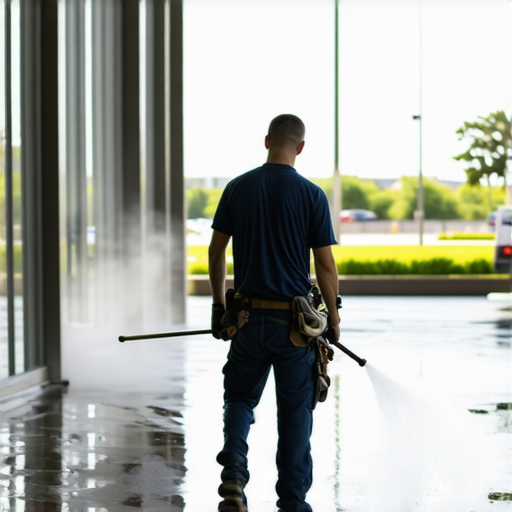

Ever spent hours scrubbing your driveway or siding, only to be disappointed with the dull, uneven finish? I remember my first attempt at power washing, thinking I could just blast away dirt and grime with my basic equipment. Instead, I ended up with streaks, missed spots, and surfaces that looked worse than before. It was a real lightbulb moment for me: effective power washing isn’t just about having a machine; it’s about knowing how to use the right tools and techniques for stellar results.
Why Your Power Wash Isn’t Living Up to Its Potential
If you’re tired of lackluster results, you’re not alone. Many homeowners and DIY enthusiasts struggle because they don’t realize that boosting their results requires more than just turning on the machine. It’s about mastering the right strategies, selecting top-notch equipment, and understanding the surfaces you’re cleaning. I’ve learned this the hard way, and I want to save you some frustration. Today, I’ll share proven tips that transformed my approach and can do the same for you.
Have You Faced This Problem?
Are you frustrated because your power washing projects come out uneven, streaky, or just plain disappointing? Trust me, I’ve been there. But I found that with a few expert techniques, I could turn my results around and achieve that professional-looking finish I always wanted. The good news is, you don’t need to be a pro to get there. Boost your power washer results with my favorite strategies and tools, and watch your surfaces transform.
One mistake I made early on was using the wrong nozzle size, which caused uneven spray patterns. That small detail made a huge difference once I corrected it, and I’ll show you how to avoid common pitfalls. By understanding the nuances of pressure levels, nozzle choices, and surface preparation, you can maximize your results and save time and money in the process. Ready to discover how to get professional results at home? Let’s dive into the expert tips that will make your next power washing project a total success.
Choose the Right Nozzle for Precision
One of the most common mistakes beginners make is using the wrong nozzle, which can lead to uneven cleaning or surface damage. I recall my early days when I grabbed a generic nozzle and ended up with streaks on my siding. After some research, I learned that different nozzle sizes produce different spray angles and pressure levels. For delicate surfaces like wood or painted areas, a 25-degree nozzle offers a gentler clean, while a 15-degree nozzle provides focused power for stubborn grime. Boost your power washer results by selecting the appropriate nozzle. Switching nozzles isn’t just about convenience; it’s about control. Always start with a wider spray to assess the surface and then narrow down for tough spots. This simple step significantly improves results and prevents damage.
Adjust Pressure Levels Smartly
Pressure settings are your best friend and worst enemy. Too high, and you risk stripping paint or etching surfaces; too low, and dirt remains stubborn. I once tried to clean my driveway with maximum pressure, only to realize I was causing tiny chips in the concrete. The key is to start with a moderate pressure and increase gradually if needed. For surfaces like wood decks, use a lower setting, whereas concrete patios can handle higher pressure. Remember, pressure isn’t just about power; it’s about finesse. Power wash like a pro by mastering pressure adjustments. Use the pressure control feature on your machine to adapt on the fly, ensuring thorough cleaning without surface damage.
Master Surface Preparation Beforehand
Don’t skip the prep work. I learned this lesson the hard way when I started a project without rinsing off loose dirt and debris. The result? Streaks and missed spots. Before power washing, sweep or blow away loose dust, dirt, and cobwebs. For heavily stained surfaces, pre-treat with a cleaning solution or degreaser. Let it sit for 5-10 minutes to loosen grime. This step makes a huge difference, reducing the need for excessive pressure and saving time. Proper prep work is like laying a solid foundation — it ensures your efforts pay off with a clean, streak-free finish.
Use the Correct Technique for Even Results
Technique matters more than brute force. Keep the wand at a consistent 45-degree angle and about 12-18 inches from the surface. I once tried to rush through cleaning a fence by moving the wand erratically, which caused uneven streaks. Instead, I learned to move the wand in smooth, overlapping strokes, similar to painting a wall. Maintain steady movement and avoid holding the nozzle in one spot for too long, which can cause etching or streaks. For vertical surfaces, work from top to bottom; for horizontal surfaces, from back to front. This method helps prevent streaking and ensures uniform coverage.
Incorporate the Right Cleaning Solutions
Sometimes, water alone isn’t enough. I discovered this when stubborn stains on my patio wouldn’t budge. Using a specially formulated cleaning solution, applied with a low-pressure spray, helped lift dirt more easily. Always choose eco-friendly, surface-appropriate cleaners, and follow manufacturer instructions. Applying the solution before rinsing with high pressure increases effectiveness and reduces the need for excessive scrubbing. If you’re unsure about the right product, check out power washing for lasting results for recommendations.
Final Tips for Consistent, Professional Results
Consistency is key. Regularly check your spray pattern, pressure, and technique as you work. Don’t rush — patience yields better results. Wear protective gear, including goggles and gloves, to stay safe. Practice on a small, inconspicuous area first to dial in your settings. Remember, mastering power washing isn’t about using brute force; it’s about applying the right pressure, technique, and tools thoughtfully. With these proven strategies, your surfaces will shine like they just came from a professional service.
Many DIY enthusiasts believe that more pressure automatically equals a better clean, but this is a dangerous misconception. Applying excessive pressure not only risks damaging delicate surfaces like wood or paint but also can lead to costly repairs. In my experience, understanding the nuanced balance between pressure and technique is crucial. For example, using a lower pressure with proper technique often yields superior results without the risk of etching or stripping paint. If you want to master this balance, check out this guide on top equipment and techniques to get the best results while protecting your surfaces.
Another widespread myth is that you should always start with the highest pressure setting to save time. In reality, rushing with high pressure can cause more harm than good, especially on fragile surfaces. Instead, I recommend starting with a moderate setting and gradually increasing if necessary. This approach allows you to evaluate the surface’s tolerance and avoid costly mistakes. For advanced users, mastering pressure control is essential. Learn more about professional power washing techniques to refine your skills.
Surface preparation is often overlooked, but it’s a vital step that many skip. Pre-treating stains and clearing debris can drastically reduce the need for high pressure and prevent streaks. Skipping this step is a common mistake that leads to inefficient cleaning and surface damage. If you want to elevate your results, consider adopting a comprehensive prep routine, as outlined in this expert guide on surface prep.
Finally, many believe that cleaning solutions are unnecessary, relying solely on water. While water can handle light dirt, stubborn stains or greasy grime often require specialized solutions. Using the right cleaning agents at the correct dilution can make a huge difference. For advanced techniques, see tips on choosing and applying cleaning solutions.
Have you ever fallen into this trap? Let me know in the comments. Mastering these nuanced aspects of power washing can prevent costly mistakes and achieve professional results even as a DIYer.
Investing in high-quality equipment is just the beginning; maintaining your power washer ensures it performs optimally for years to come. Over time, even the best tools can suffer wear and tear, but with a proactive maintenance routine, you can extend their lifespan and keep results consistently professional. From cleaning filters to lubricating parts, small regular tasks make a significant difference.
How do I maintain my power washing equipment over time?
The key is to follow a systematic approach. After each use, always rinse the machine thoroughly to remove any residual detergent or dirt. Check and clean the inlet filter to prevent debris from clogging the system. Regularly inspect hoses, nozzles, and connections for signs of wear or leaks. Lubricate moving parts according to the manufacturer’s instructions—this reduces friction and prevents corrosion. Additionally, storing your equipment in a dry, shaded area protects it from the elements, which can cause rust and degradation.
For more detailed maintenance routines, this guide on trustworthy results offers expert insights into extending your equipment’s lifespan. Remember, a well-maintained power washer not only performs better but also saves you money in repairs and replacements over time.
Tools I recommend for long-term performance
When it comes to tools, I personally swear by a few essentials that help me keep my power washer in top condition. First, a high-quality nozzle cleaning kit is indispensable. Over time, nozzles can become clogged with mineral deposits or debris, reducing spray quality. A dedicated cleaning kit with small brushes and replacement parts makes maintenance quick and effective.
Second, a good corrosion inhibitor spray is worth its weight in gold. Applying this to metal parts before storage prevents rust and corrosion, especially if you live in a humid climate. I also recommend investing in a portable pressure gauge. This allows you to monitor pressure levels regularly and catch issues early before they cause damage or reduce cleaning efficiency.
Finally, always keep a set of replacement parts—such as O-rings, seals, and spray tips—on hand. Having these ready means you won’t be tempted to rush repairs or delay maintenance, ensuring your equipment stays in prime condition. For advanced users, a maintenance log can be helpful to track service dates and parts replacements, keeping your routine organized and thorough.
Looking ahead, I predict that smart maintenance tools—like IoT-connected sensors—will become more common in power washing equipment, providing real-time diagnostics and alerts. This innovation will make upkeep even easier and more reliable.
Start implementing these maintenance habits today, and consider trying out a dedicated nozzle cleaning kit to see immediate improvements. Your power washer will thank you with reliable performance and longer service life, helping you achieve top results every time you work.
Through my journey with power washing, I discovered that the real secret lies in the details. One of the most impactful lessons was realizing that consistent technique beats brute force every time. Using the correct nozzle and adjusting pressure thoughtfully transformed my results from patchy to pristine. I also learned that pre-treating tough stains with specialized solutions can save hours of scrubbing. These insights aren’t just tips; they’re game-changers that can elevate your cleaning routine to professional levels.
Another lesson I grappled with was the importance of equipment maintenance. Regularly cleaning filters, lubricating parts, and storing tools properly extend their lifespan and ensure peak performance. I also found that investing in quality accessories like nozzle cleaning kits and corrosion inhibitors makes a significant difference. These small but powerful steps keep your power washer reliable and your results consistent over time.
Finally, I realized that patience and preparation are the true pillars of success. Taking the time to plan your project, select the right tools, and test your settings can prevent costly mistakes and surface damage. Power washing isn’t about rushing through; it’s about applying the right pressure, technique, and solutions at the right moment. When you combine these lessons, your surfaces will shine with that professional, streak-free finish that makes every DIY project worthwhile.