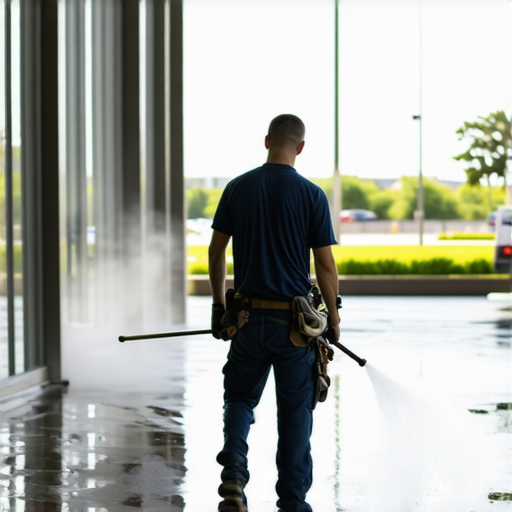
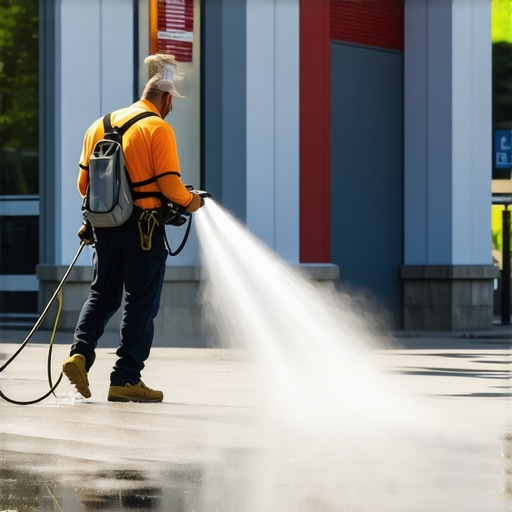
I remember the first time I rented a pressure washer without fully understanding the equipment. I thought more pressure meant better results. Turns out, I was just wasting time and risking damage to surfaces. That lightbulb moment taught me a crucial lesson: effective power washing isn’t about brute force. It’s about using the right tools with the right strategy.
Why Investing in the Right Powerwash Equipment Matters Now More Than Ever
In recent years, the demand for professional-grade power washing has skyrocketed. Homeowners and businesses alike are seeking pristine, spotless exteriors, but many fall into the trap of using subpar equipment or skipping essential techniques. According to industry experts, the quality of your equipment directly correlates with the durability and appearance of your results. Using outdated or inappropriate tools can lead to inconsistent cleaning, surface damage, and increased costs in the long run.
What I’ve learned through trial and error is that high-quality equipment paired with proven strategies can save you time, money, and headaches. Whether you’re a DIY enthusiast or a professional, knowing how to choose and utilize the best tools is vital. For example, selecting the right pressure washer, nozzles, and detergents can dramatically boost your efficiency and outcomes. And the good news? You don’t have to spend a fortune to get started. A well-chosen setup will pay for itself in cleaner results and faster completion times.
Are You Still Using the Wrong Equipment?
One of my biggest early mistakes was relying on generic equipment that lacked the power or versatility needed for tougher jobs. I didn’t realize that some surfaces require gentler approaches, while others demand high pressure and specialized nozzles. This oversight led to uneven cleaning and even surface damage. Learning to tailor my equipment choices to the specific task made all the difference. For more detailed insights, check out this comprehensive guide on effective power wash strategies and equipment.
In the sections ahead, I’ll walk you through the must-have tools, techniques, and tips to maximize your results. Whether you’re aiming for that professional shine or just want your home to look its best, mastering your equipment setup is the first step. Ready to transform your power washing game? Let’s dive into the essential gear and strategies that will make your next project a total success.
Select the Right Pressure Washer for Your Needs
Choosing the appropriate pressure washer is the foundation of effective cleaning. Think of it like selecting a paintbrush: a small brush for detail work, a broad brush for large surfaces. For most DIY projects, a electric or gas-powered unit with a pressure range of 2000-3000 PSI suffices. When tackling tougher stains or larger surfaces, opt for models with higher PSI and GPM (gallons per minute). I once experimented with a low-power washer on my driveway and only created a mess—wasted time and energy. Upgrading to a machine with 2500 PSI and 2.5 GPM dramatically cut my cleaning time and improved results. For comprehensive guidance, visit https://pressurewashpross.com/ultimate-power-washer-guide-maximize-efficiency-trust-in-your-cleaning
Choose the Correct Nozzles and Attachments
Understanding Nozzle Types and Their Uses
Nozzles are like the gears on a camera—each one serves a specific purpose. A 0-degree nozzle delivers a concentrated jet perfect for stubborn grime, but risks surface damage if misused. A 25- or 40-degree nozzle provides a wider spray ideal for general cleaning without risking damage. I recall using a 0-degree nozzle on my siding, which left streaks and gouges. Switching to a 25-degree nozzle and maintaining a safe distance restored the surface’s integrity. Remember, always start with a wider spray and move closer if needed. For more details, see https://pressurewashpross.com/effective-power-wash-strategies-equipment-for-pro-results-today
Using the Right Attachments for Specific Surfaces
Surface-specific attachments like turbo nozzles or rotary brushes can boost efficiency. For delicate wood decks, a soft-bristle brush attachment prevents damage. For concrete, a rotary turbo nozzle provides deep cleaning. I once ruined my wooden fence by using a high-pressure nozzle at close range—lesson learned. Now, I match attachments carefully to each surface to avoid costly repairs. Consistently using the right tools is like having a toolbox tailored for every job. Learn more at https://pressurewashpross.com/power-wash-mastery-proven-tips-for-2024-success
Optimize Detergent and Chemical Use
Detergents are your secret weapon for grime and stains. Use eco-friendly, biodegradable cleaners designed for pressure washing. Apply detergents with a foam cannon for even coverage and let them sit for 5-10 minutes. I once skipped this step and only brushed the surface, which was ineffective. Proper chemical application breaks down dirt, making rinsing faster and more thorough. Remember, always rinse from bottom to top to prevent streaking. For detailed chemical strategies, check https://pressurewashpross.com/power-wash-for-trustworthy-results-proven-tips-equipment-2024
Maintain Proper Distance and Technique
Distance is critical—hold the nozzle about 12-18 inches from surfaces. Too close can gouge or etch; too far reduces pressure. Use smooth, overlapping passes like mowing a lawn to ensure even coverage. I once held the nozzle too close on my patio, which caused pitting. Practicing consistent distance and movement results in uniform cleaning and surface preservation. Think of power washing as painting with a spray gun—steady, controlled, and deliberate. Mastering this technique elevates your results. For more tips, visit https://pressurewashpross.com/power-wash-techniques-to-boost-results-trust-in-2024-2
Systematic Approach for Best Results
Develop a step-by-step process: prep surfaces, apply detergent, agitate if needed, rinse thoroughly, and inspect. Keep tools organized, and always test on a small area first. During my early projects, I skipped inspection and caused minor damage—learning to check my work saved me time and money. A systematic approach ensures consistent results and minimizes errors. Think of it like following a recipe—precise steps lead to perfect outcomes. For comprehensive techniques, see https://pressurewashpross.com/power-wash-for-trustworthy-results-top-techniques-equipment-2024
Regular Equipment Maintenance
Clean filters, check hoses for leaks, and store equipment properly after each use. A neglected pressure washer loses efficiency and lifespan. I once left my unit outside exposed to weather, which caused corrosion and motor issues. Regular maintenance is like giving your tools a spa day—keeps them running smoothly and ready for the next job. Always follow manufacturer instructions for maintenance schedules. For maintenance tips, visit https://pressurewashpross.com/power-wash-equipment-strategies-to-boost-results-today
Many enthusiasts and even seasoned professionals fall prey to common myths when it comes to choosing power washing equipment. One widespread misconception is that higher pressure always equates to better cleaning results. While PSI (pounds per square inch) is important, it’s only part of the story. GPM (gallons per minute) and nozzle type play equally crucial roles in achieving effective, surface-safe cleaning. Relying solely on PSI can lead to surface damage and inefficient cleaning processes. Industry experts emphasize that a balanced approach—considering pressure, flow rate, and nozzle specifications—is essential for optimal results. For a deep dive into selecting the right equipment, check out this comprehensive guide on power wash strategies and equipment.
Another common myth is that using the most powerful or the newest machine guarantees the best results. In reality, the suitability of equipment depends heavily on the specific job. For delicate surfaces like painted wood or soft siding, a low-pressure setting with appropriate nozzles and detergents is often more effective and safer. Conversely, tough stains on concrete may require higher PSI and specialized attachments. The mistake many make is trying to apply a one-size-fits-all solution, which often results in either inadequate cleaning or surface damage. Remember, mastering nuanced equipment choices tailored to each surface is what separates amateur results from professional ones.
What Advanced Power Washers Know About Technique and Equipment Compatibility
Advanced users understand that equipment compatibility and technique are intertwined. For instance, using a turbo nozzle on a soft surface without adjusting pressure can cause gouging, even if the machine’s PSI is within a safe range. Similarly, applying detergents with the wrong nozzle angle or at improper dilution can drastically reduce cleaning efficacy. An expert approach involves matching nozzles, attachments, and chemical solutions to the specific surface and stain type. This nuanced understanding prevents costly mistakes and ensures lasting results. For a detailed discussion on these advanced strategies, visit this master guide.
Have you ever fallen into this trap? Let me know in the comments. Remember, effective power washing isn’t just about equipment power; it’s about intelligent choices and techniques that respect the surface and optimize results.
Investing in quality power washing tools is only half the battle; maintaining them effectively ensures they perform at peak efficiency over the long haul. Regular maintenance not only prolongs the lifespan of your equipment but also guarantees consistently professional results. In this post, I’ll share specific tools and methods I personally rely on, along with expert insights on keeping your gear in top condition.
How do I maintain my power washing tools over time?
First, always follow the manufacturer’s maintenance instructions. This includes flushing out hoses and nozzles after each use, inspecting for leaks, and replacing worn parts promptly. I highly recommend keeping a dedicated maintenance kit, which includes items like high-pressure hose reels, nozzle cleaning brushes, and silicone spray lubricants. Using a high-quality nozzle cleaner—specifically designed for removing mineral deposits—can prevent clogs and ensure consistent spray patterns. I personally use a brass wire brush for nozzle cleaning, avoiding abrasive materials that could damage the nozzle’s precision.
Additionally, regularly checking and replacing filters prevents debris from damaging your pump, which is a common failure point. I prefer to keep a spare set of filters on hand so I can swap them out quickly if needed. When storing your equipment, always drain the pump and hoses to prevent freezing or corrosion, especially during colder months.
Tools I recommend for lasting power washer performance
One tool I find invaluable is a pressure washer chemical injector. It allows me to apply detergents efficiently, reducing chemical waste and improving cleaning results. For nozzle maintenance, I swear by a nozzle cleaning kit that includes multiple sizes and brushes, which makes it easy to keep nozzles clear and precise. Properly cleaning nozzles after each job prevents buildup and prolongs their life.
Another essential is a hose reel. It keeps hoses organized, prevents kinks, and reduces wear and tear. I’ve seen many pressure washers fail prematurely simply because of tangled or damaged hoses. Investing in a sturdy reel pays dividends over time and makes setup and teardown much faster.
The future of power washing tools
Looking ahead, I predict an increase in smart, sensor-equipped pressure washers that can monitor performance and alert you to maintenance needs. IoT integration could revolutionize how we care for our equipment, making maintenance even more proactive. Until then, adhering to routine checks, using recommended tools, and practicing good storage habits remain your best strategies.
If you’re serious about long-term results, I recommend trying a dedicated nozzle cleaning tool and establishing a regular maintenance schedule. These small investments in your tools can save you hundreds of dollars and hours of downtime. Remember, a well-maintained pressure washer is the backbone of professional-grade results. For more detailed strategies, check out this expert guide.
The Hardest Lesson I Learned About Power Washing Equipment
One of my most valuable lessons was understanding that not all power washers are created equal. Using a machine with too high PSI on delicate surfaces like painted wood or vinyl siding can cause irreversible damage. It taught me to always analyze the surface before choosing pressure settings, no matter how tempting it is to rush through a job.
3 Myths About Power Washing Equipment That Held Me Back
I used to believe that higher pressure always meant a cleaner surface. I also thought that newer, more expensive equipment would automatically deliver better results. Both myths led to surface damage and wasted money. It was only after consulting industry experts that I learned the importance of balancing PSI, GPM, and nozzle selection tailored to each project.
What Experts Won’t Tell You About Power Washing
Many professionals keep a close eye on regular equipment maintenance, understanding that clean filters, proper nozzle care, and correct storage extend the lifespan of their tools. They also emphasize that technique and correct chemical use are just as vital as having the right gear. This holistic approach ensures consistent, professional results every time.
Curated Recommendations for Power Washing Success
1. Pressure Washer Guide by PressureWashPross: This comprehensive resource offers insights on selecting the best pressure washer for your needs, ensuring you invest wisely. Read more here.
2. Nozzle Cleaning Kit: Regular nozzle maintenance prevents clogs and ensures consistent spray patterns. I personally use a brass wire brush designed specifically for this purpose, which has extended my nozzles’ lifespan significantly.
3. Chemical Injector System: Applying detergents efficiently has transformed my cleaning process. A dedicated chemical injector helps me save on chemicals and increases cleaning power, especially on stubborn stains.
4. Hose Reel System: Keeping hoses organized with a sturdy reel reduces wear and makes setup quicker. It’s a small investment that pays off with longer equipment life and ease of use.
Let’s Embrace the Power Washing Journey
Now that you know some of the most crucial lessons and trusted tools, it’s time to take action. Remember, mastering your equipment and techniques is the key to achieving that professional shine on your surfaces. Every project is a new opportunity to refine your skills and learn something new.
Are you ready to upgrade your power washing arsenal and see real results? Dive into the resources, experiment with different tools, and don’t be afraid to make mistakes — it’s all part of the learning process. Your surfaces will thank you, and so will your wallet!