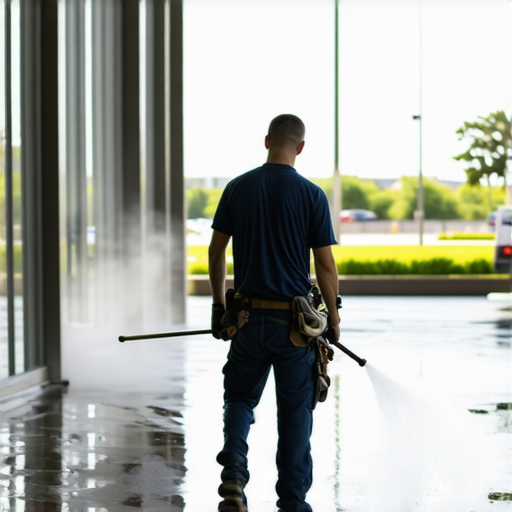
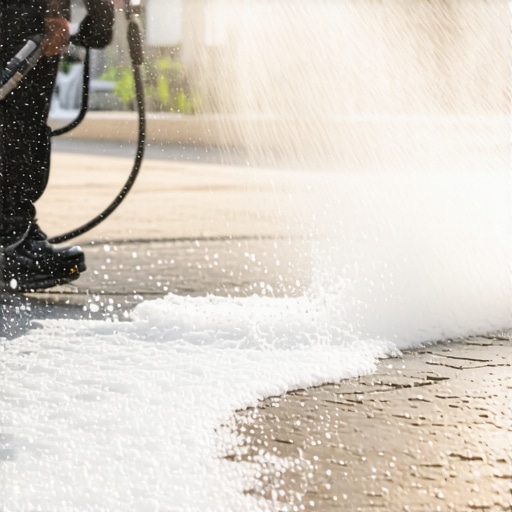
I remember the exact moment I realized that my beloved stone walkway was slowly deteriorating. I’d gone all in with my power washer, blasting away years of grime, only to see tiny, irreversible etch marks appearing on the porous surface. It was a lightbulb moment that changed everything I thought I knew about powerwashing delicate surfaces. Since then, I’ve become obsessed with finding techniques that clean effectively without damaging the stone.
If you’ve ever faced a similar frustration—wondering how to get your porous stone surfaces spotless without risking etching—you’re not alone. Many homeowners dive into powerwashing eager for quick results but end up causing costly damage. Today, I want to share with you the **7 Smart Ways to Powerwash Porous Stone Without Etching in 2026**. These aren’t just tips; they’re proven strategies that have saved my surfaces and can do the same for your property.
Why Proper Powerwashing Matters — and How to Do It Safely
Porous stone, like certain types of limestone and sandstone, is especially tricky. Its open structure means that aggressive cleaning can easily cause surface erosion or discoloration. According to recent studies, improper powerwashing can accelerate deterioration, reducing the lifespan of your stone and affecting its aesthetic appeal [source: National Park Service]. Yet, with the right approach, you can achieve a deep clean without etching or damage.
One of my early mistakes was ignoring the significance of pressure control. I used high PSI settings without considering the surface’s vulnerability, which only worsened the marks I was trying to remove. That mistake taught me the importance of adjusting your equipment appropriately and choosing gentle, eco-friendly cleaning solutions. For instance, using soft wash settings combined with bio-based detergents can significantly reduce the risk of etching while still breaking down stubborn dirt and stains.
If this sounds familiar, don’t worry. We’ll dive into specific methods—everything from equipment tweaks to chemical choices—that will help you protect your investment while getting a showroom shine. Ready to learn how to clean smarter, not harder? Let’s get into the details.
Adjust Your Equipment for Gentle yet Effective Pressure
Start by setting your pressure washer to a low psi—around 500 to 1000—similar to gently rinsing a delicate fabric rather than scrubbing a stubborn stain. I remember once trying to clean a sandstone patio with standard high pressures, only to notice tiny chips forming. To avoid this, consult your model’s manual or the best power wash equipment tips for recommended settings for porous stone surfaces. Using a wide-angle or rotating nozzle spreads out the force, reducing risk and delivering a gentle, uniform clean. Test on a small, concealed area first, just as I did on my own walkway, to gauge the effect before proceeding. Ensure your wand’s tip is clean and free of clogs, which can increase pressure unpredictably—yet another reason to check your equipment’s condition.
Use Soft Washing with Eco-Friendly Detergents
Think of soft washing as the skincare routine for your stone—gentle but effective. Select a bio-based cleaning solution designed for porous surfaces, like those detailed in bio-based mixes. Mix it carefully following manufacturer instructions; dilute it sufficiently—just as you’d water down a strong soap—so it doesn’t linger and cause damage. Apply the solution generously over the area, allowing it to penetrate the pores, much like soaking a sponge. I remember when I stepped back and let it sit for 10 minutes, then gently rinsed with my low-pressure setting, revealing a surprisingly clean surface without etching. For particularly stubborn stains, consider pre-treatment with specific degreasers from industrial degreasers. This approach minimizes the need for brute force, safeguarding the stone’s natural texture.
Apply Water and Detergent with a Wide, Even Sweep
Imagine shearing a lawn evenly—hopper lines and smooth coverage. The same logic applies here: keep your wand at a consistent distance of about 12-18 inches and move in slow, overlapping strokes across the surface. This ensures no area is over-processed, and the detergent properly saturates the pores. During my project, I initially tried to rush through, causing streaks; but slowing down improved the uniformity dramatically. Use a fan or wide spray nozzle to distribute the water evenly, preventing pressure spikes that could cause micro-etches. Remember, a steady, sweeping motion is more gentle and effective than hovering in one spot or blasting directly down. For complex patterns or textured surfaces, consult the power washing techniques guide to optimize your approach.
Mistakes to Avoid for Safe Power Washing
It’s tempting to crank up the PSI when stubborn dirt persists, but this can backfire—like using a hammer for a jewelry repair. Always opt for the lowest effective pressure and increase gradually if needed, as advised in why your power washer leaves wand marks. Never hold the nozzle in one spot for more than a second—the risk of etching is high, especially on porous limestone. Additionally, avoid using harsh acids or high-temperature water, which can weaken the substrate. Instead, explore options like acid-free cleaning mixes, which are safer and equally effective. Wearing protective gear ensures you’re shielded from splashes and helps maintain control. Remember, patience and moderation, not brute force, yield the best results.
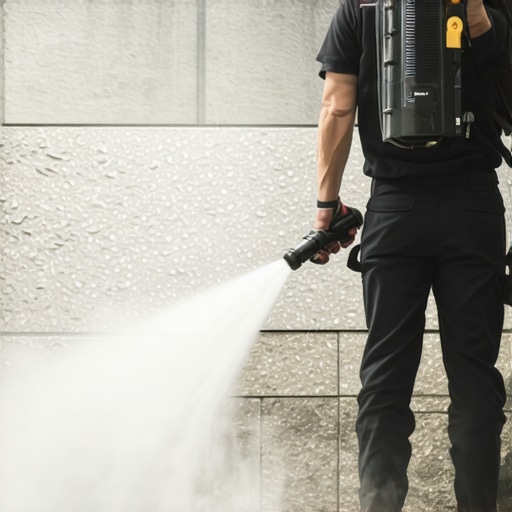 While many believe that cranking up the pressure solves stubborn dirt, this misconception can lead to serious damage, especially on porous stone. In my experience, most power wash enthusiasts overlook the nuanced differences in surface vulnerabilities, which can result in costly mistakes. For example, a common myth is that higher PSI always results in cleaner surfaces, but experts like those from the power washing community confirm that optimal results often come from adjusting pressure and choosing the right chemicals. Overusing aggressive power not only causes micro-etching but also accelerates material degradation over time.
An often overlooked nuance is the type of nozzle used. Many believe that a narrow spray produces better cleaning, but in practice, a wider spray combined with soft washing techniques yields safer, more even results. The danger lies in the trap of relying solely on brute force—someone might see dirt and immediately bump up the pressure, risking surface etching. What most don’t realize is that employing soft wash solutions can effectively remove stubborn stains without damaging the integrity of the stone.
**What sophisticated techniques can protect your surfaces while maximizing cleanliness?** Well, advanced users know that integrating eco-friendly detergents and understanding the surface’s porosity are key. For example, using bio-based mixes from this resource has proven effective in breaking down mold and grime without risking etching. Moreover, pre-treatment with specific cleaning agents can loosen deep-seated stains, which is particularly useful on textured stones.
Now, a common trap many fall into is neglecting proper equipment maintenance—clogged nozzles or worn-out seals can cause inconsistent pressure that ironically damages surfaces. Ensuring your equipment is in top shape and understanding your pressure washer’s settings are essential steps to prevent accidental etching.
For those wanting to push their skills further, mastering the timing and application technique is crucial. Applying detergents evenly with wide, sweeping motions, and avoiding prolonged focus on one spot, reduces risk remarkably. Remember, patience coupled with precision outperforms brute force every time.
If you’re still using outdated practices—like ignoring the importance of low-pressure soft washing or neglecting equipment checks—you’re likely missing out on better results and risking costly repairs. I recommend exploring comprehensive strategies in my expert tips article to enhance your technique.Maintaining your power washing equipment is crucial to achieving consistently excellent results and extending the lifespan of your tools. I personally swear by regular inspection and preventive care, which can save you from costly repairs down the line. Start with checking hoses and connections before every session; leaks or cracks are often signs that a component needs replacement. For example, I’ve found that replacing worn-out O-rings promptly prevents pressure drops and equipment failure, as outlined in this comprehensive guide.
Invest in a good quality water filter to protect your pump from debris, especially if you’re working in areas with sediment or algae buildup. I recommend using a dual-filter setup, which not only prolongs your pump’s life but also improves overall cleaning effectiveness by maintaining consistent water flow. Regularly flushing out your chemical injectors and nozzles prevents clogging, ensuring even spray patterns and consistent pressure.
Choosing the right tools makes a significant difference. From adjustable pressure tips to high-quality surface cleaners, each component should be selected based on your specific tasks. I rely heavily on a turbo nozzle for stubborn stains and a surface cleaner attachment for large flat surfaces. For delicate surfaces, soft wash systems combined with eco-friendly chemicals, such as those detailed in this resource, are indispensable.
Looking ahead, the trend in equipment is moving towards smarter, connected systems that can monitor usage and maintenance needs remotely. I believe that within the next few years, integrating IoT technology into power washers will become mainstream, allowing real-time diagnostics and predictive maintenance, reducing downtime and repair costs.
How do I maintain my power washer over time? I schedule routine professional inspections every six months, focus on cleaning and replacing wear parts regularly, and store my equipment in a dry, climate-controlled space to prevent corrosion. Additionally, running a full system flush after each use and inspecting hoses for signs of fatigue are simple yet effective steps.
To give your equipment the care it deserves, I suggest trying the tip of replacing your pressure nozzle with an adjustable one—it’s a game-changer for tailoring pressure precisely to your cleaning needs. Proper maintenance is key to keeping your power wash performing like new, saving you money and frustration in the long run. For detailed maintenance routines and advanced troubleshooting, check out this guide.
The Hardest Lesson I Learned About power washer,power washing,powerwash
One of my biggest surprises was realizing that more pressure isn’t always better. I once tested a high- PSI setting on my porous limestone, which resulted in tiny surface chips. That taught me to respect the surface texture and adjust my equipment accordingly—it’s a lesson that saved me from costly repairs and preserved the stone’s beauty.
3 Myths About power washer,power washing,powerwash That Held Me Back
For years, I believed that increasing water temperature would effectively remove stains without damage. I was wrong; high heat can weaken porous surfaces over time. Instead, choosing eco-friendly detergents and soft washing methods proved more effective and safer, a tip I now swear by.
What Experts Won’t Tell You About power washer,power washing,powerwash
Many professionals keep quiet about the importance of maintenance. Regularly inspecting and replacing worn parts like nozzles and seals can prevent micro-etching and extend your equipment’s life. I learned this the hard way after experiencing pressure drops that could have been avoided with simple upkeep.
My Essential Toolkit for power washer,power washing,powerwash
Trusted tools like adjustable pressure nozzles, eco-friendly detergents, and wide-angle spray tips make all the difference. I rely on a dual-filter system to keep debris out of my pump, ensuring consistent results and preventing damage, which has saved me time and money.
Where to Go from Here
If you’re eager to upgrade your power washing game, invest in top-quality equipment and educate yourself on the latest techniques, like those shared in this expert guide. Remember, mastery takes patience and continuous learning, but the results—beautiful, damage-free surfaces—are worth it.
Your Turn to Make a Difference
Have you ever struggled with adjusting pressure settings or choosing the right cleaning agents for porous stone? Share your experiences below—I’d love to hear your stories and help troubleshoot any challenges you’re facing with powerwashing in 2026.